
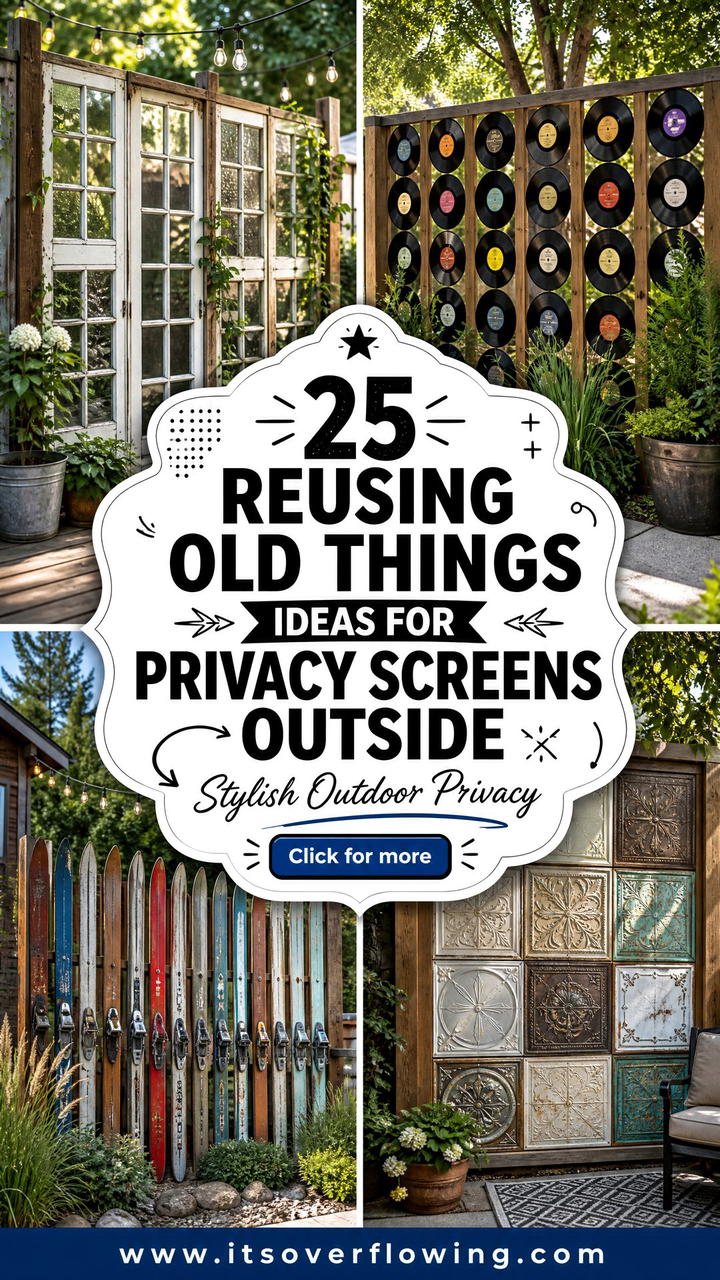
Upcycling old items into functional privacy screens is a brilliant way to enhance your outdoor or indoor living space while being environmentally conscious. Instead of buying expensive, mass-produced dividers, you can give a second life to forgotten treasures found at flea markets or in your own garage. This creative approach allows for complete customization, ensuring your home reflects your unique personality and style. Whether you need a shield from prying neighbors or a way to define a cozy nook, these innovative solutions offer both beauty and utility. Let’s explore twenty-five clever ways to reuse old things to create stunning privacy screens that make your personal space feel private, curated, and incredibly cozy for everyone.
1. Old Door Privacy Screen
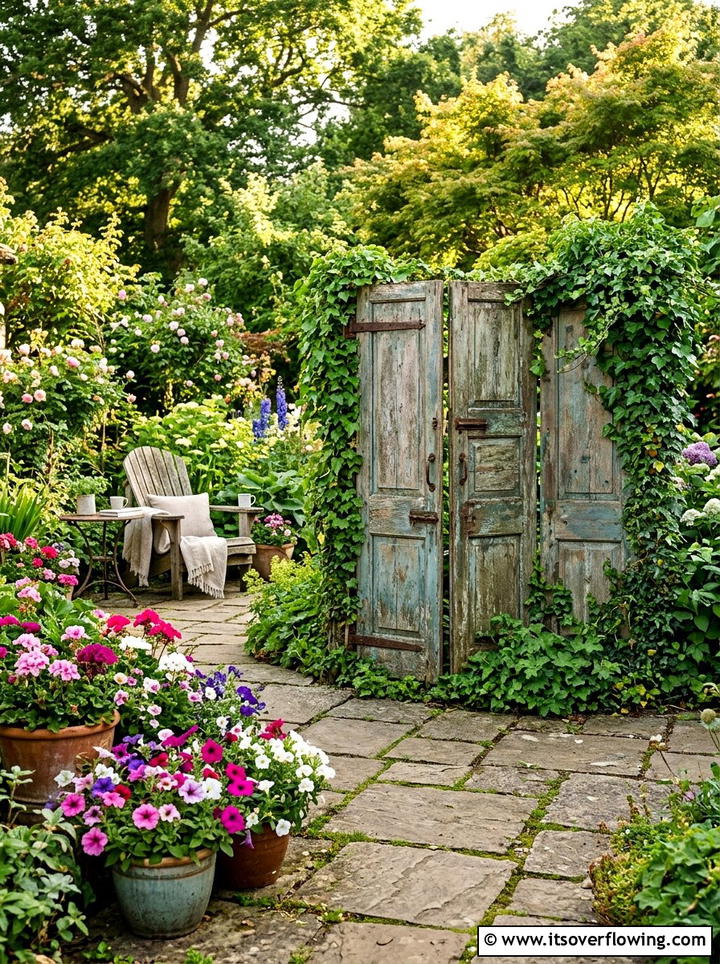
Do you ever wonder what to do with those heavy, solid wood doors salvaged from historic houses? By hinging three or four together, you can create a sturdy, freestanding screen that adds immense character to a backyard patio. You should paint them in a cohesive, soft color or leave the weathered patina for a rustic, vintage look. This setup works perfectly to block a neighbor’s direct view of your outdoor seating area. Adding some hanging flower pots or vintage-style string lights across the top helps integrate the doors into the natural garden landscape. It feels like a secret garden entrance while providing a solid, functional barrier for your family.
2. Vintage Window Divider
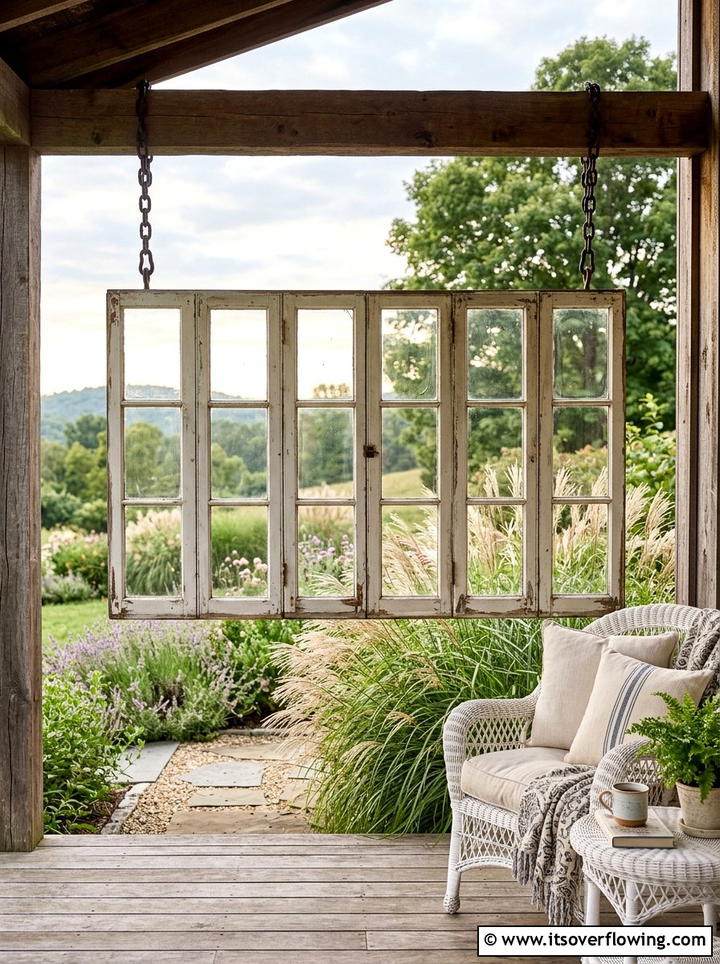
Have you seen how beautiful old window frames look when they are repurposed as a garden partition? You can hang several frames from a sturdy wooden beam using heavy-duty chains to create a floating wall effect. This design allows light to pass through while still providing a sense of enclosure for your porch or deck area. To increase the level of privacy, you might consider adding a frosted film or painting designs on the glass panes. Surrounding the base with tall ornamental grasses creates a layered look that feels organic. This artistic approach transforms a simple backyard into a sophisticated gallery space that protects your privacy beautifully.
3. Wooden Pallet Garden Wall
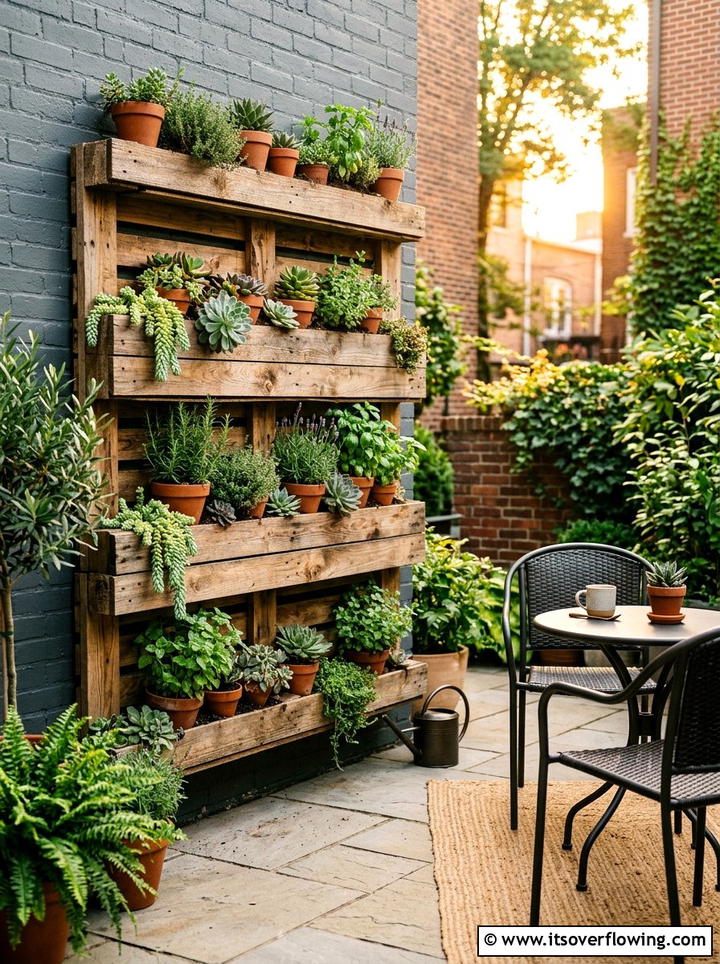
Wooden pallets are perhaps the most versatile material for creating an affordable and eco-friendly privacy screen in your backyard. You can stack them vertically and secure them to a frame to create a solid wall that blocks unwanted views. Filling the internal gaps with soil allows you to grow a variety of succulents, herbs, or cascading flowers directly inside the structure. This turns a simple wooden barrier into a lush, living wall that provides oxygen and a refreshing scent to your patio. It is an excellent choice for small urban gardens where space is limited but privacy is a major priority for the homeowners.

4. Louvered Shutter Fence
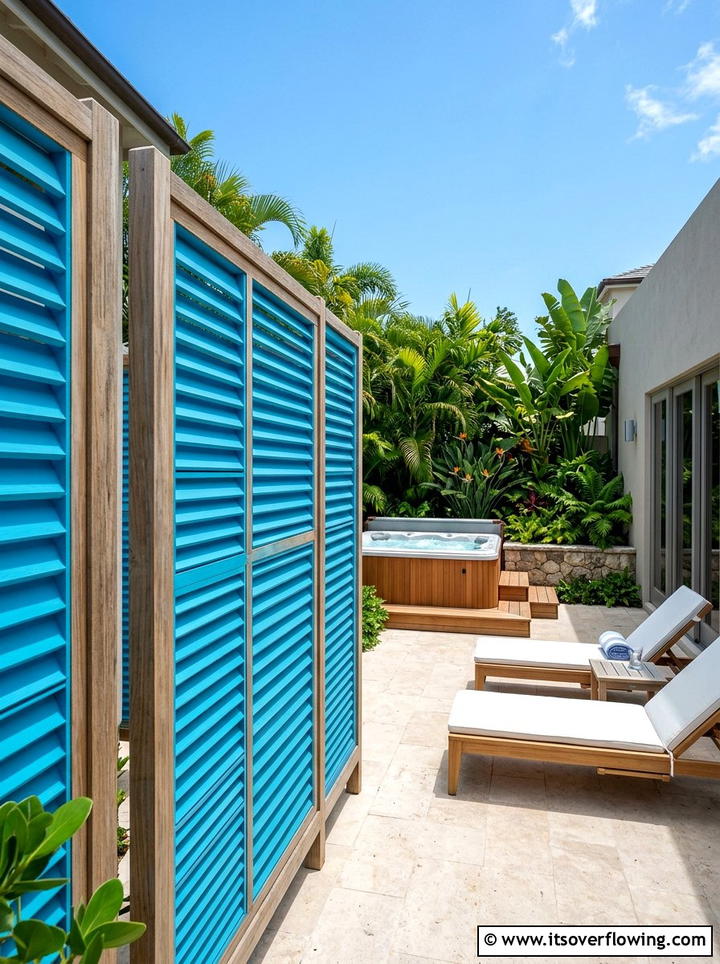
Louvered shutters are fantastic for creating privacy because they allow airflow while blocking the line of sight from the street. You can source old shutters from salvage yards and paint them in vibrant colors to create a cheerful and eclectic fence line. Attaching them to a simple wooden framework allows you to adjust the height and width to fit your specific space requirements. This design works exceptionally well around a hot tub or a small dining nook on a balcony. The architectural lines of the shutters add a classic, timeless feel to any outdoor setting while providing the seclusion you desire most.
5. Corrugated Metal Screen
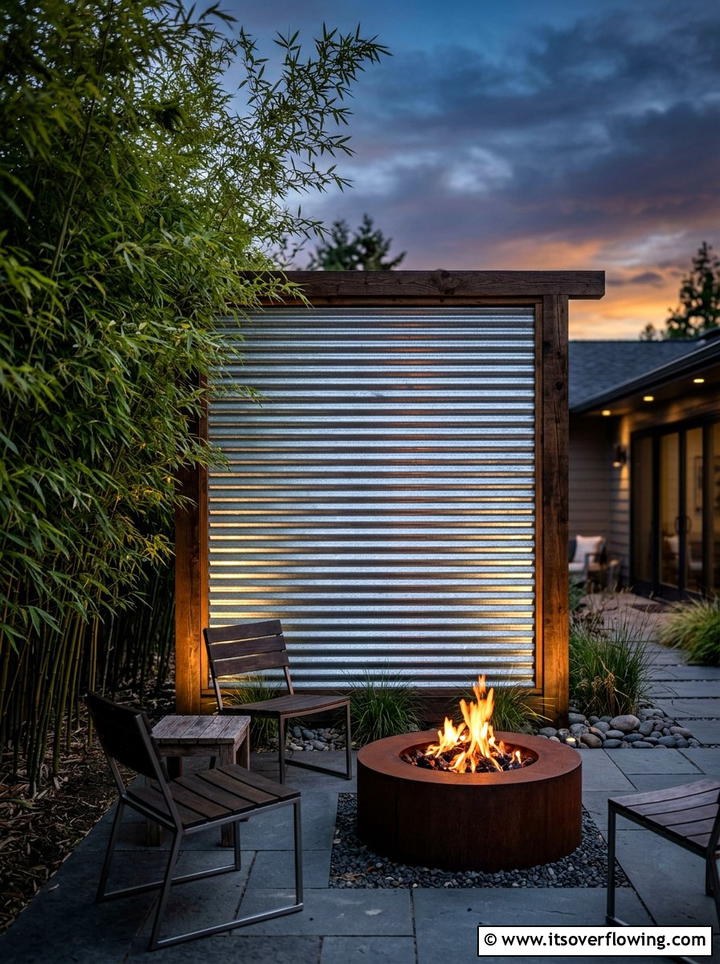
Corrugated metal sheets rescued from old barns or roofing projects offer a modern and industrial aesthetic for contemporary garden designs. You can frame these metal panels with reclaimed wood to create a high-contrast privacy wall that is incredibly durable and weather-resistant. The reflective surface of the metal can help brighten a shady corner by bouncing natural light around the space. To soften the industrial look, try planting tall bamboo or feathery ferns in front of the panels. This combination of hard and soft elements creates a visually striking boundary that keeps your yard feeling private and secure throughout every season.
6. Bamboo Pole Divider
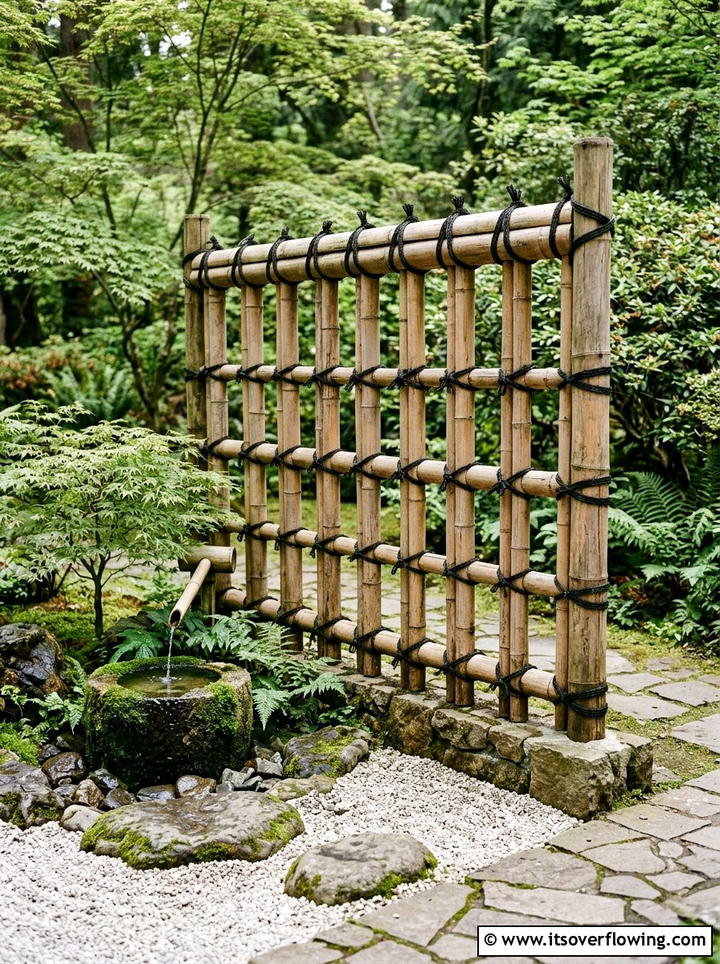
Bamboo poles are a wonderful natural material that can be reused to create a serene, Zen-inspired privacy screen. You can lash the poles together with sturdy twine or wire to create a dense mat that blocks out noise and prying eyes. This type of screen is perfect for creating a tropical atmosphere around a swimming pool or a backyard yoga studio. The organic texture of the bamboo blends seamlessly with lush green foliage and stone pathways. It is a lightweight and sustainable option that provides a soft, filtered light, making your outdoor sanctuary feel peaceful, secluded, and very deeply connected to nature.
7. Bicycle Wheel Garden Art
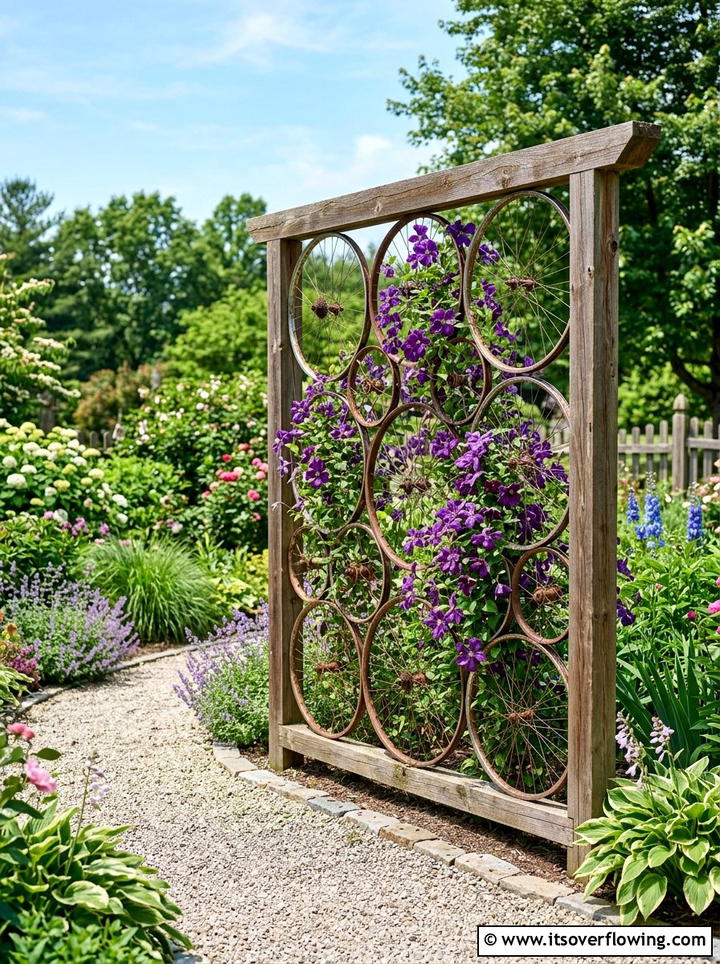
If you have a collection of old bicycle wheels, you can turn them into a whimsical and artistic privacy screen. By mounting the wheels inside a large wooden frame, you create a circular pattern that is both modern and playful. You can allow climbing vines like clematis or morning glories to weave through the spokes, eventually creating a dense green wall. This design is a great conversation starter and adds a sense of movement to your garden. It provides a unique visual barrier that does not feel heavy or imposing, making it ideal for defining different zones within a larger backyard area.
8. Old Bed Frame Trellis
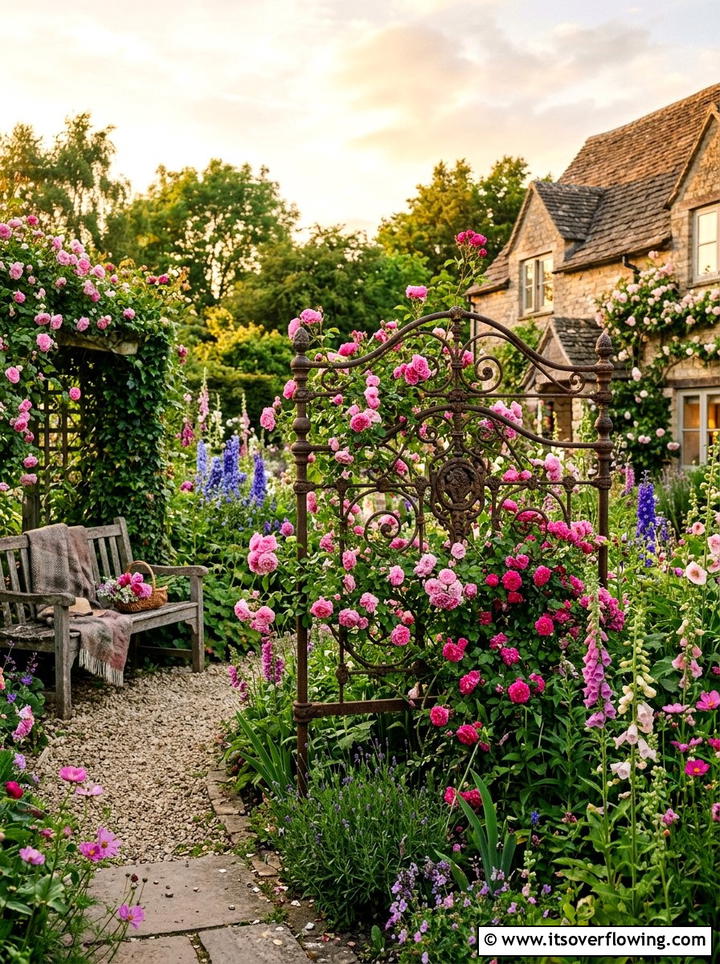
Metal bed frames with intricate scrollwork make excellent trellises for creating a romantic and vintage privacy screen. You can lean the headboard and footboard against a wall or mount them to sturdy posts in the middle of your garden. Planting fast-growing climbers like jasmine or climbing roses will quickly cover the metal, resulting in a fragrant and beautiful floral wall. This approach is perfect for adding a touch of cottage-core charm to your outdoor space while keeping your seating area hidden. The sturdy iron or steel construction ensures that your screen will last for many years with very minimal maintenance.
9. Hanging Fabric Panel
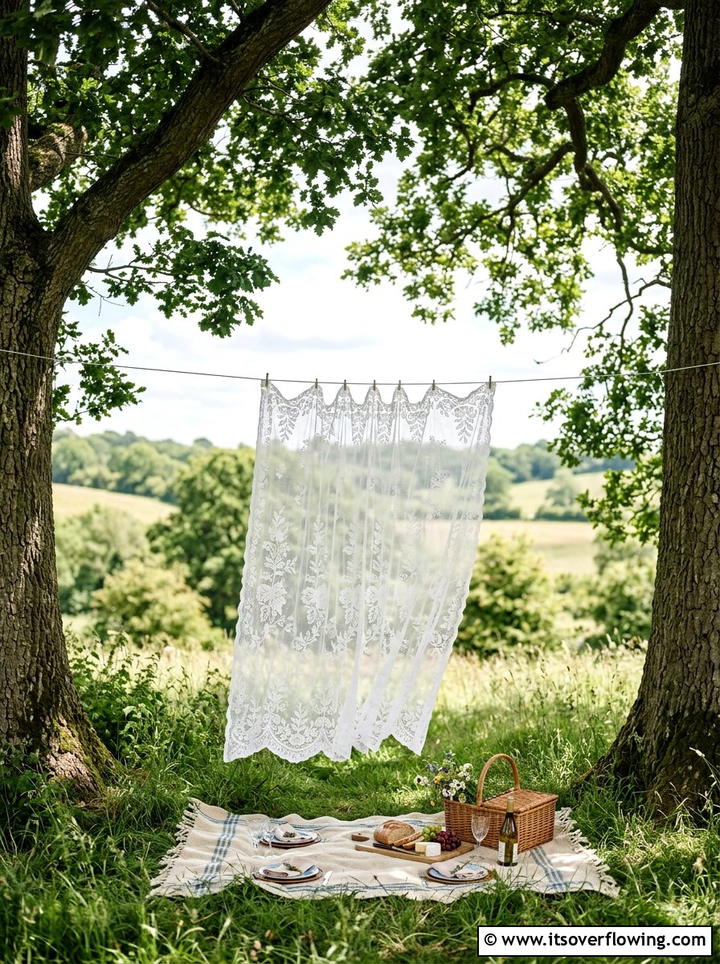
Old textiles such as lace curtains, colorful tablecloths, or even heavy canvas drop cloths can be reused to create temporary privacy screens. You can string a wire between two trees or posts and hang the fabric panels using simple rings or clips. This creates a soft, breezy atmosphere that is perfect for a summer afternoon garden party or a shaded reading nook. The fabric can be easily swapped out to change the look of your space for different occasions or seasons. It is a cost-effective way to add privacy and a splash of color to your patio without permanent construction work.
10. Tree Branch Partition
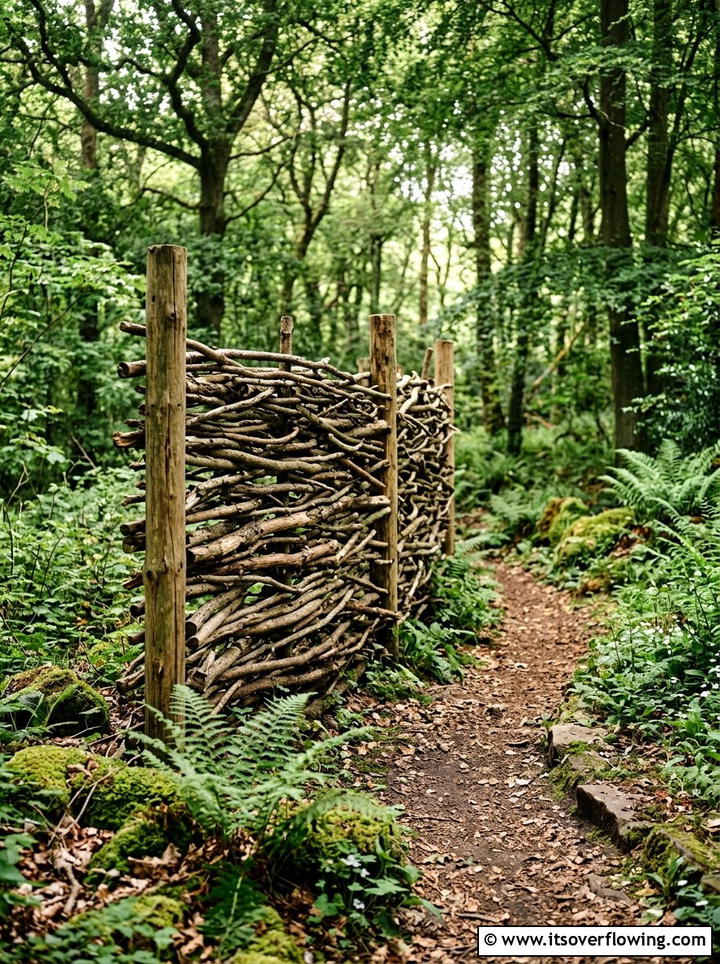
Gathering fallen branches and twigs from your yard is a free and natural way to build a rustic privacy screen. You can stack the branches horizontally between two vertical posts to create a wattle-style fence that looks like it grew right out of the earth. This design is perfect for wooded lots or naturalistic gardens where you want the screen to disappear into the background. It provides excellent privacy while still allowing small birds and beneficial insects to move through the garden. The varied textures and shapes of the wood add a lovely organic element that feels both cozy and very well-integrated.
11. PVC Pipe Wall
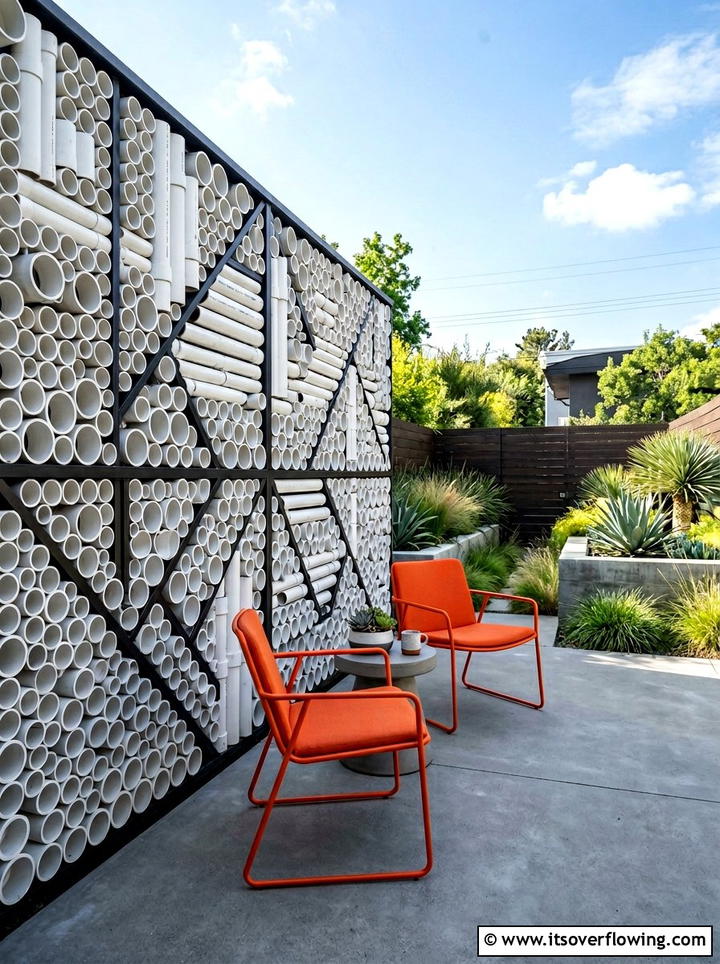
Leftover PVC pipes from a plumbing project can be transformed into a modern and geometric privacy screen with a bit of creativity. By cutting the pipes into different lengths and gluing them together, you create a honeycomb-like structure that is visually fascinating. You can paint the pipes in a bold metallic finish or a clean white to match your outdoor decor style. Placing small potted plants inside some of the pipe openings adds a touch of greenery to the structural design. This type of screen is lightweight, waterproof, and provides a unique way to block views while maintaining a contemporary and stylish look.

12. Lattice Panel Screen
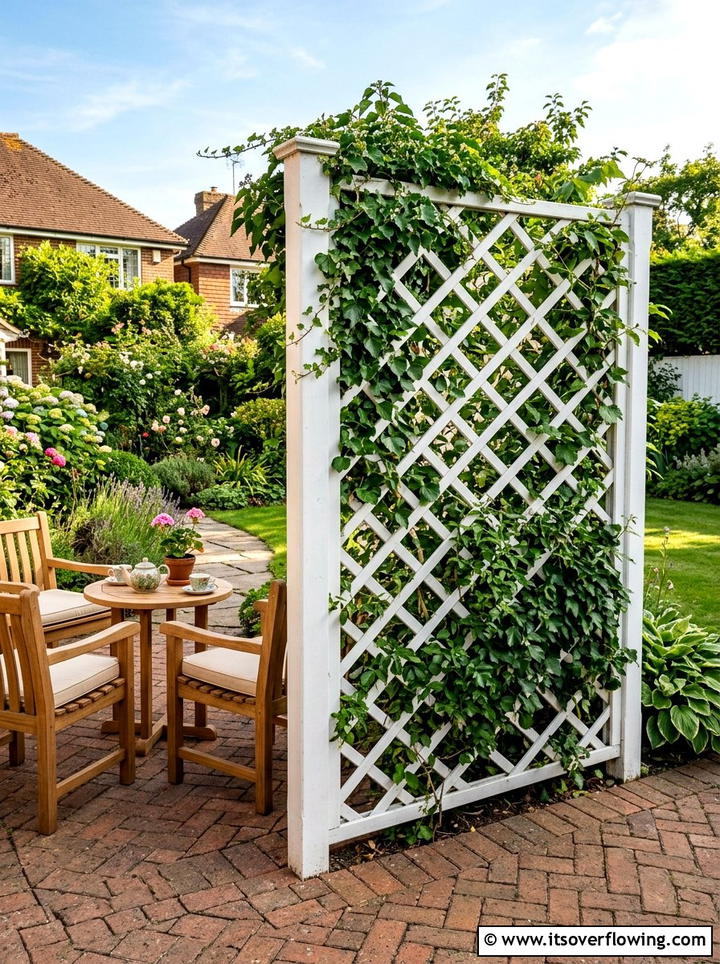
Old lattice panels that have seen better days can be easily refreshed to create a classic and effective privacy screen. You can double up the panels or add a fine mesh backing to increase the level of seclusion they provide. Mounting these panels on a movable wooden base allows you to reposition the screen whenever you need to block the sun or a neighbor’s view. Training evergreen ivy to grow over the lattice ensures that you have a green privacy wall even during the cold winter months. This traditional design remains popular because it is simple to build and works well in almost any garden.
13. Vertical Planter Pallet
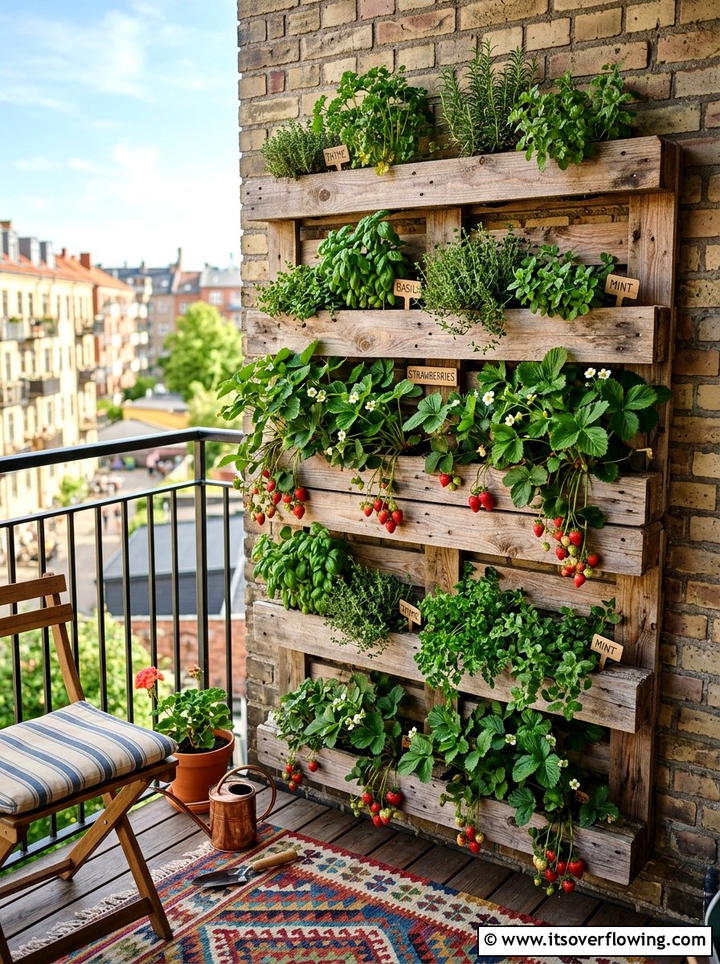
Creating a vertical garden using an old shipping pallet is a double-duty solution for privacy and fresh produce. You can attach landscape fabric to the back and bottom of the pallet and fill the slats with nutrient-rich potting soil. Planting a mix of herbs, strawberries, and trailing vines creates a dense wall of greenery that smells as good as it looks. This living screen is perfect for small balconies or kitchen gardens where you want to grow food and block the view of nearby buildings. It is a functional and beautiful way to bring more nature into your daily life while staying private.
14. Old Ladder Plant Stand
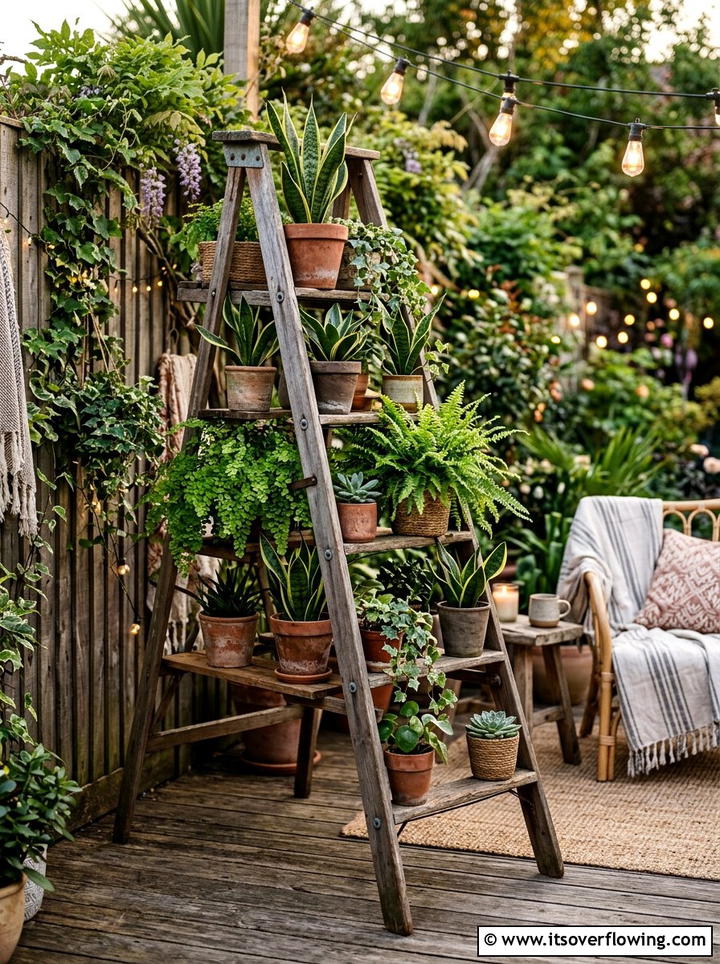
A vintage wooden ladder can be repurposed into a charming tiered privacy screen by placing long wooden boards across the rungs. You can fill the resulting shelves with an array of potted plants, lanterns, and decorative items to create a lush barrier. Choosing tall plants like snake plants or small palms will help increase the height of the screen and provide better coverage. This design is perfect for a corner of a deck or a porch where you want a sense of enclosure without building a solid wall. The ladder’s vertical height makes it a great focal point for any small outdoor area.
15. Surfboard Fence
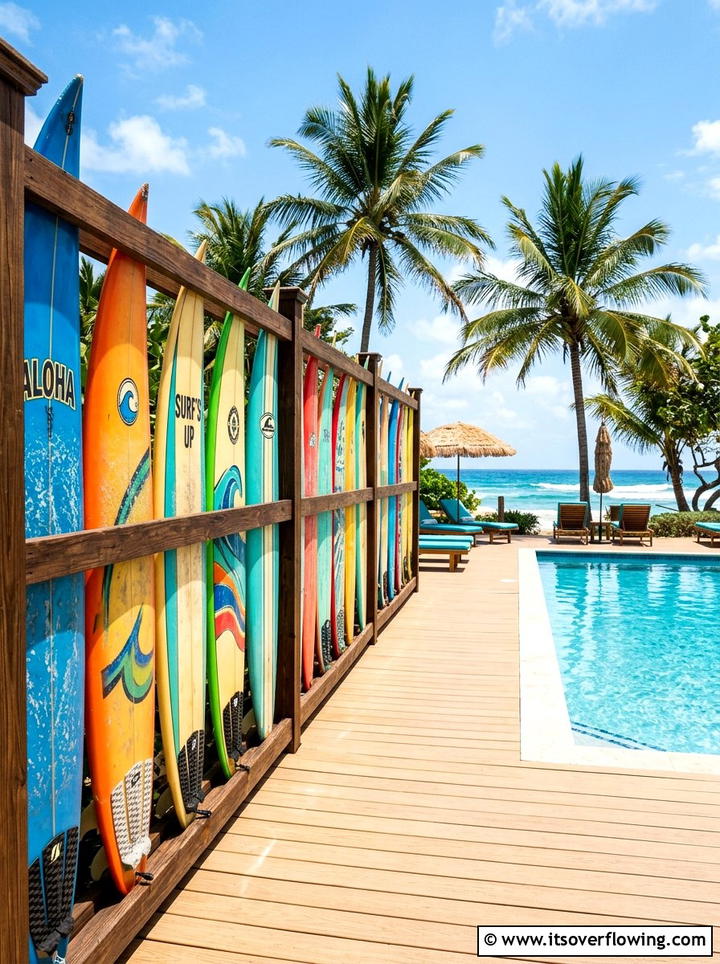
For those who live near the coast or love a beachy vibe, old surfboards can be reused to create a fun and colorful privacy screen. You can line up the boards vertically and secure them to a wooden rail to create a fence that celebrates outdoor adventure. The varied shapes and bright graphics of the surfboards add a high-energy feel to a backyard pool area or a tiki-style bar. This is an excellent way to keep damaged boards out of the landfill while creating a unique boundary. It provides a solid shield from neighbors while making your backyard feel like a permanent summer vacation spot.
16. Record Album Wall
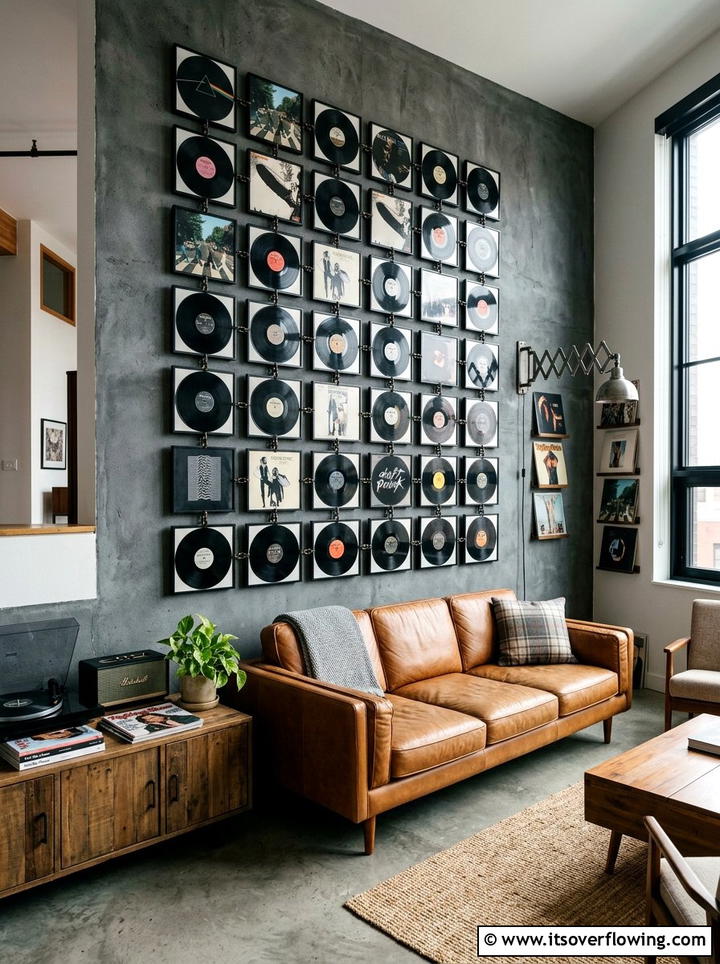
Do you have a collection of old vinyl records that are too scratched to play anymore? You can drill small holes in the records and link them together with metal rings to create a retro-inspired indoor privacy screen. Hanging these record chains from a ceiling track allows you to divide a large room into separate functional areas without losing light. The glossy black surfaces of the vinyl create a sophisticated and edgy look that is perfect for a home office or a music room. This creative reuse project celebrates musical history while solving the problem of open-concept living in a very stylish way.
17. Metal Pipe Frame
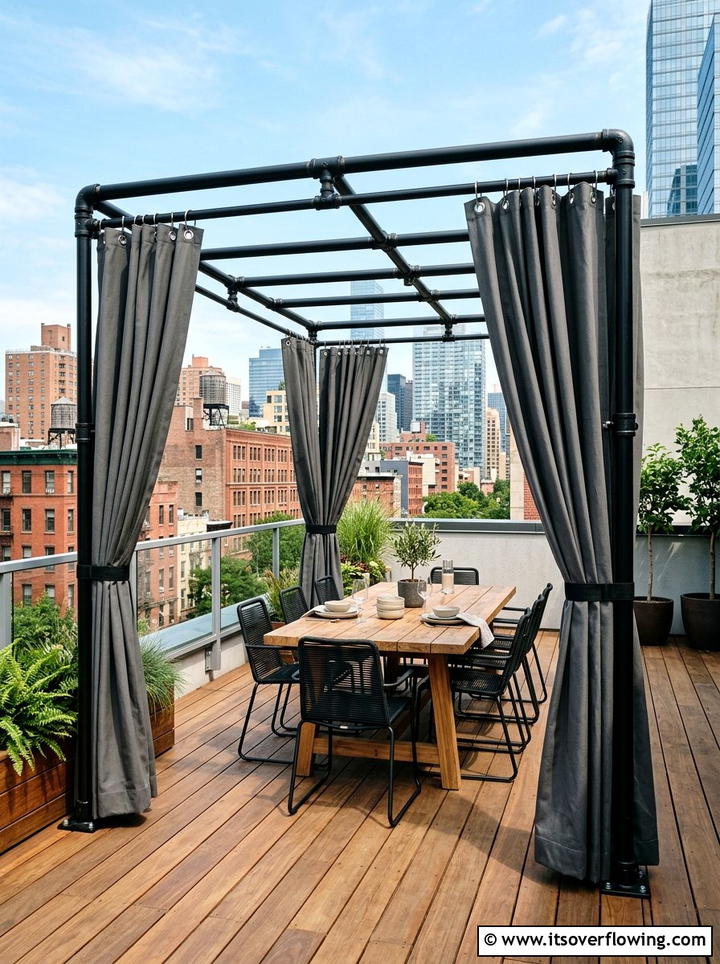
Industrial metal pipes can be assembled into a sturdy frame to support various types of privacy materials. You can use the pipes to hold up heavy outdoor curtains, wire mesh for climbing plants, or even reclaimed wood planks. The raw, dark finish of the pipes provides a strong structural element that looks great in modern or farmhouse-style gardens. Because pipe fittings are modular, you can easily customize the size and shape of the screen to fit your specific balcony or patio dimensions. This creates a permanent and very professional-looking privacy solution that can withstand high winds and heavy use over time.
18. Driftwood Screen
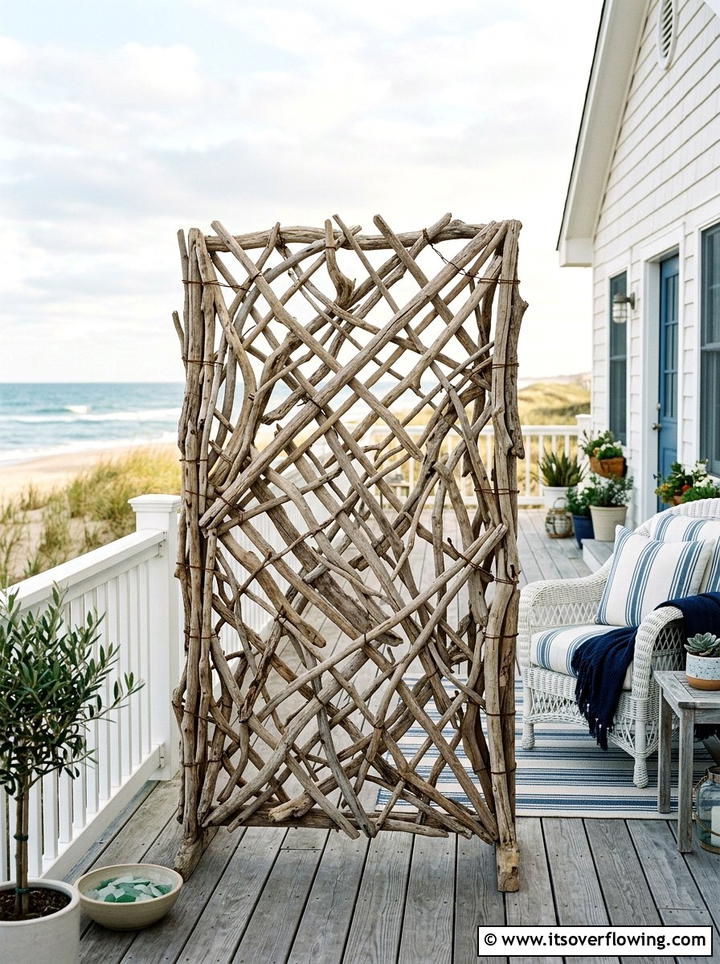
Collecting driftwood from the beach allows you to create a stunning, one-of-a-kind privacy screen that feels like a piece of sculpture. You can wire the sun-bleached pieces of wood together in a vertical arrangement to create a textured wall that mimics the natural coastal landscape. This type of screen is perfect for a seaside cottage or a garden with a relaxed, bohemian aesthetic. The silver-gray tones of the wood look beautiful when paired with blue and white outdoor cushions and nautical accessories. It provides a soft, organic barrier that filters the wind and the view while adding a peaceful, artistic touch to your home.
19. Old Closet Door Partition
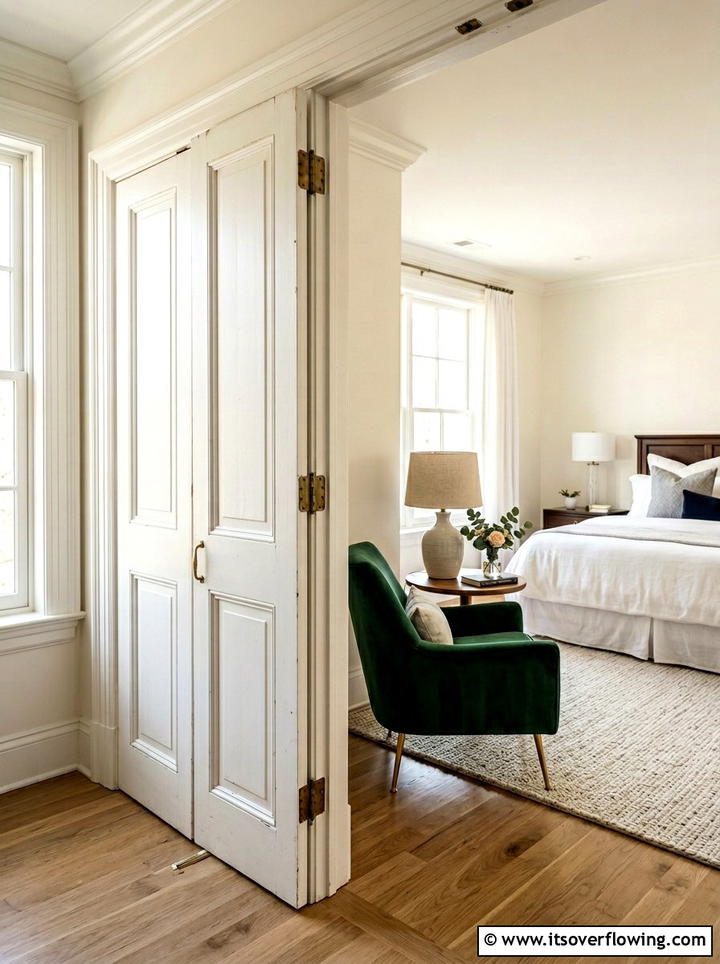
Bifold closet doors are often replaced during home renovations, but they can be easily reused as elegant indoor or outdoor privacy screens. You can remove the old hardware and join several panels together with decorative hinges to create a folding screen. Painting the panels in a high-gloss finish or applying decorative wallpaper makes them look like expensive designer furniture pieces. This setup is ideal for hiding a messy laundry area or creating a private dressing nook in a large master bedroom. The folding design means you can easily tuck the screen away when it is not needed, making it a very versatile option.
20. Metal Roofing Panel
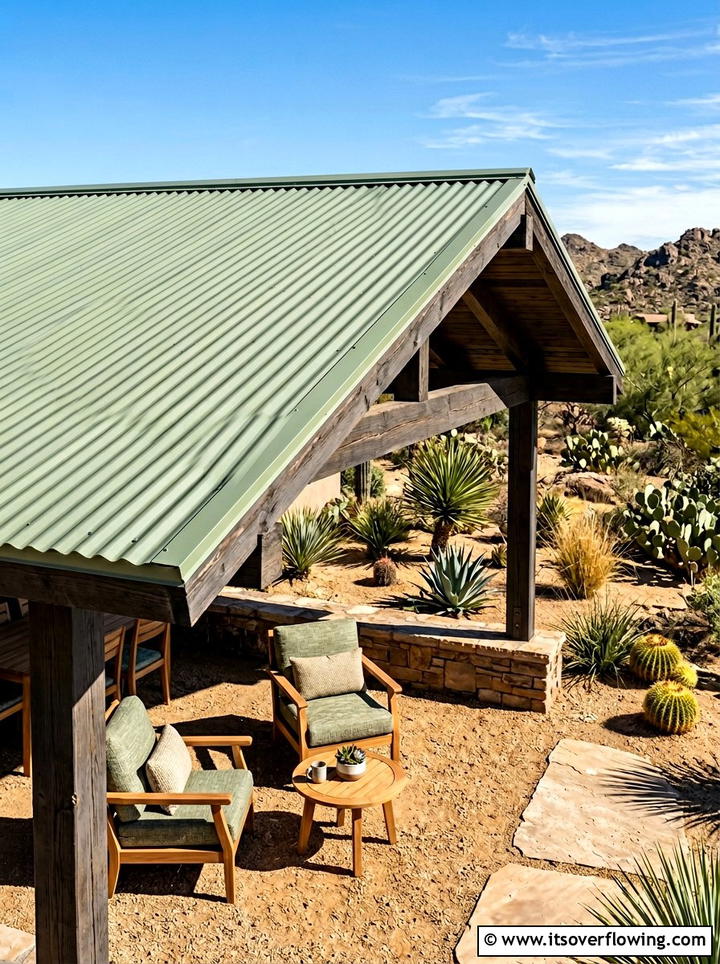
Reusing old metal roofing panels is a great way to create a durable and low-maintenance privacy screen for your backyard garden. These panels come in various colors and textures, allowing you to choose a look that complements your home’s exterior perfectly. You can mount the panels horizontally for a sleek, modern appearance or vertically for a more traditional fence style. The solid metal provides total privacy and acts as an effective windbreak for delicate garden plants. To add more visual interest, you can use a laser cutter to create decorative patterns or simple geometric shapes in the metal before installing the finished panels.
21. Old Ski Fence

If you are an avid skier with a collection of retired equipment, you can turn those old skis into a colorful and nostalgic privacy screen. By mounting the skis vertically to a horizontal wooden frame, you create a picket-style fence that is full of personality and history. This design is particularly popular in mountain towns or for backyard fire pit areas where people gather to share stories of outdoor adventures. The durable materials used in skis make them resistant to snow and moisture, ensuring your screen lasts for a long time. It is a fantastic way to recycle sports gear into something truly functional.
22. Rope Wall Divider
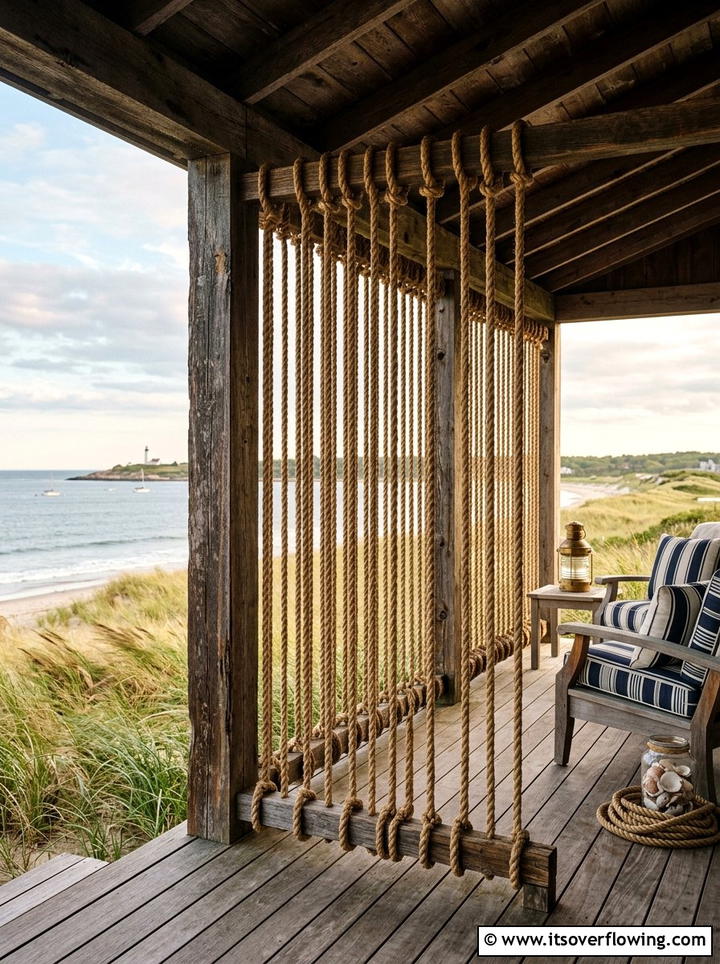
Creating a privacy screen using thick nautical rope is a great way to add texture and a sense of coastal style to your space. You can thread the rope through holes in a top and bottom wooden beam to create a series of vertical lines. This design provides a subtle level of privacy while maintaining an open and airy feel that does not block the breeze. It is a perfect solution for a covered porch or a balcony where you want to define the space without feeling completely closed in. The natural fiber of the rope adds warmth and a tactile element to the surrounding hard surfaces.
23. Glass Bottle Wall
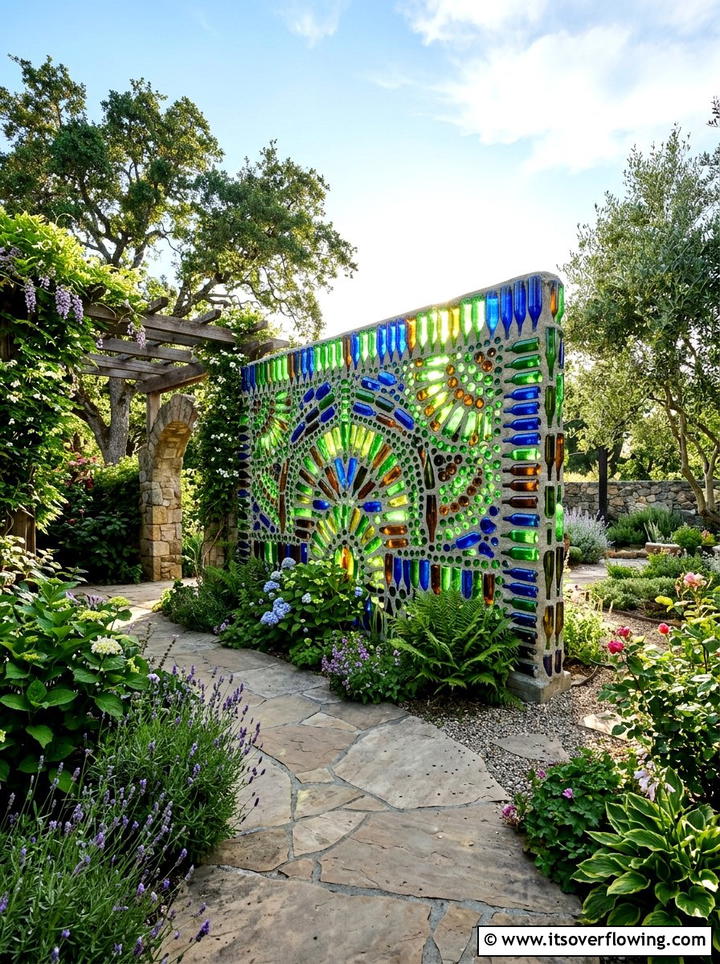
Old glass bottles can be stacked and mortared together to create a stunning and colorful privacy wall that glows in the sunlight. You can mix different colors like green, blue, and amber to create a mosaic effect that looks like stained glass from a distance. This type of screen is a permanent structure that provides excellent sound insulation and complete privacy for your backyard. The way the light passes through the glass creates a magical atmosphere in the garden during the late afternoon. It is a labor-intensive project, but the resulting wall is a beautiful work of art that will be admired by everyone.
24. Birdhouse Collection Wall
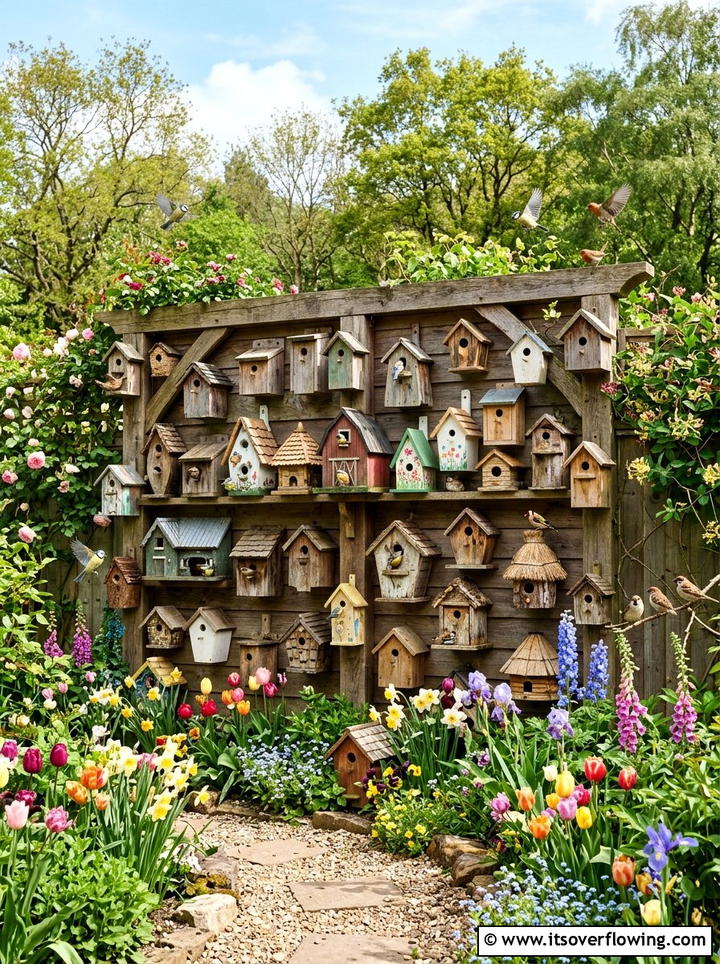
Building a privacy screen that also serves as a sanctuary for local wildlife is a wonderful way to give back to nature. You can mount a large collection of old or handmade birdhouses onto a solid wooden wall to create a whimsical and tall barrier. This design provides privacy from neighbors while also filling your garden with the sounds of birdsong throughout the day. You can paint the birdhouses in various colors to create a vibrant and cheerful focal point for your backyard. It is an engaging and educational feature for families with children and adds a lot of heart to your outdoor living space.
25. Tin Tile Screen
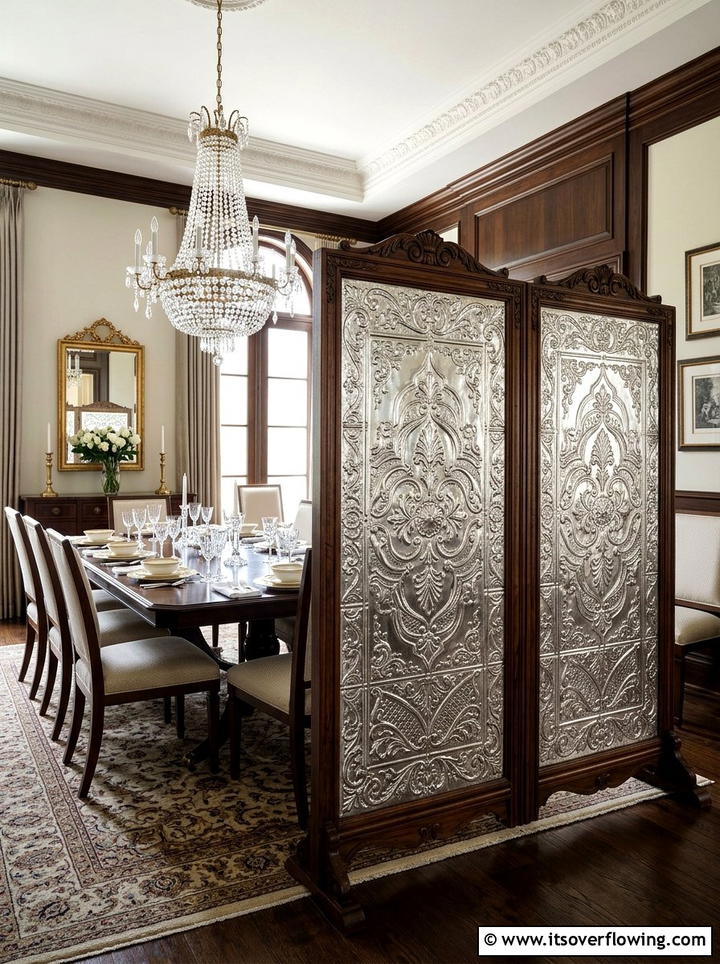
Vintage tin ceiling tiles are highly decorative and can be reused to create a sophisticated and metallic privacy screen. You can mount the tiles onto a simple wooden framework to create a shimmering wall that reflects the light beautifully. The intricate embossed patterns on the tiles add a touch of old-world elegance to a modern patio or an indoor room. To protect the metal from the elements, you can apply a clear coat of sealant that prevents rust while maintaining the original finish. This type of screen is perfect for creating a luxurious and private backdrop for an outdoor dining area or a cozy lounge space.
Conclusion:
Creating your own privacy screens by reusing old things is a rewarding project that blends creativity with practical home improvement. These ideas demonstrate that you do not need to spend a lot of money to achieve a beautiful and secluded outdoor or indoor environment. By looking at everyday objects through a new lens, you can find infinite possibilities for upcycling and personalizing your living space. Each project mentioned above offers a unique way to solve privacy issues while adding significant aesthetic value to your home. We hope these inspirations encourage you to start your own DIY journey and transform your space into a private, stylish, and sustainable sanctuary.

Related posts:
 25 reusing old things ideas for lantern decor Outside
 25 reusing old things ideas for boho garden look: DIY Style
 25 reusing old things ideas for container garden: DIY Planters
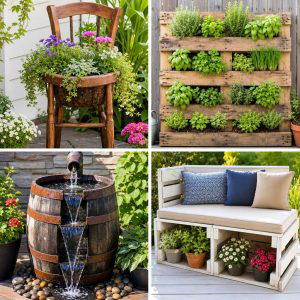 25 reusing old things ideas for front yard: Curb Appeal DIYs
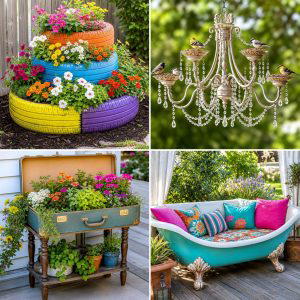 25 reusing old things ideas for garden Charm on a Budget
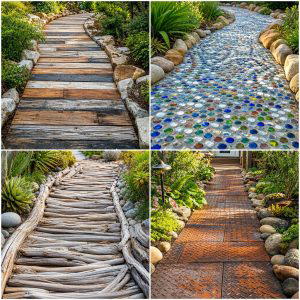 25 reusing old things ideas for garden pathways
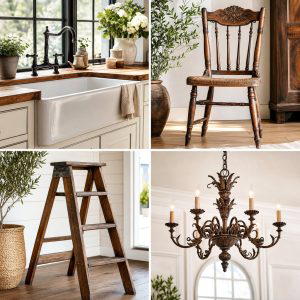 25 reusing old things ideas for garden planters
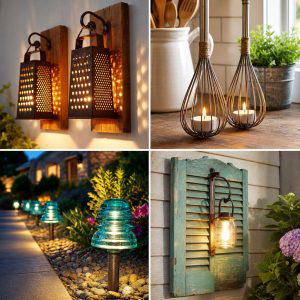 25 reusing old things ideas for outdoor lighting
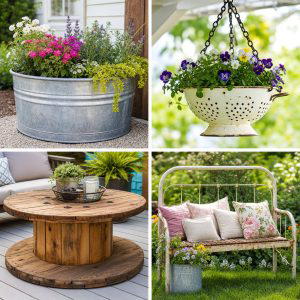 25 reusing old things ideas for patio Style and Charm
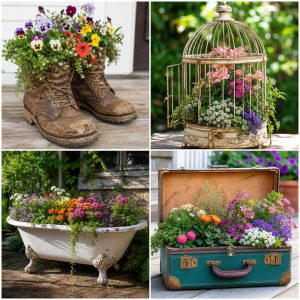 25 Reusing Old Things Ideas for Small Garden Charm
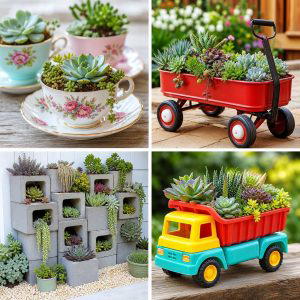 25 reusing old things ideas for succulent garden Decor
 25 Reusing Old Things Ideas for Yard Art With Creative Flair