
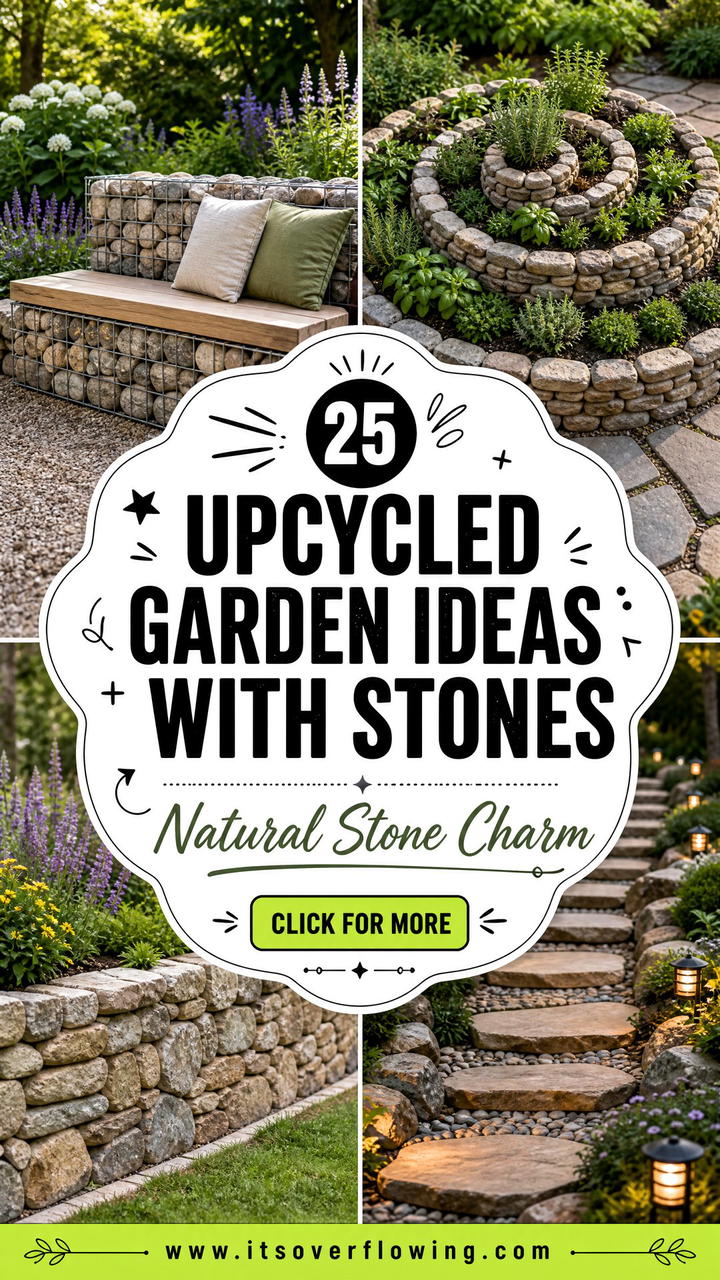
Transforming your outdoor space does not require a massive budget or brand-new materials from a big-box store. Upcycling stones found right in your backyard or local area is one of the most sustainable and visually rewarding ways to enhance your garden’s aesthetic. Stones offer a timeless, organic texture that bridges the gap between structured landscaping and the wild beauty of nature. Whether you are looking to create functional pathways, artistic focal points, or practical borders, these durable elements provide endless opportunities for creative expression. By repurposing what the earth provides, you can build a landscape that feels deeply connected to the environment while showcasing your unique personal style and DIY skills.
1. Painted rock garden markers
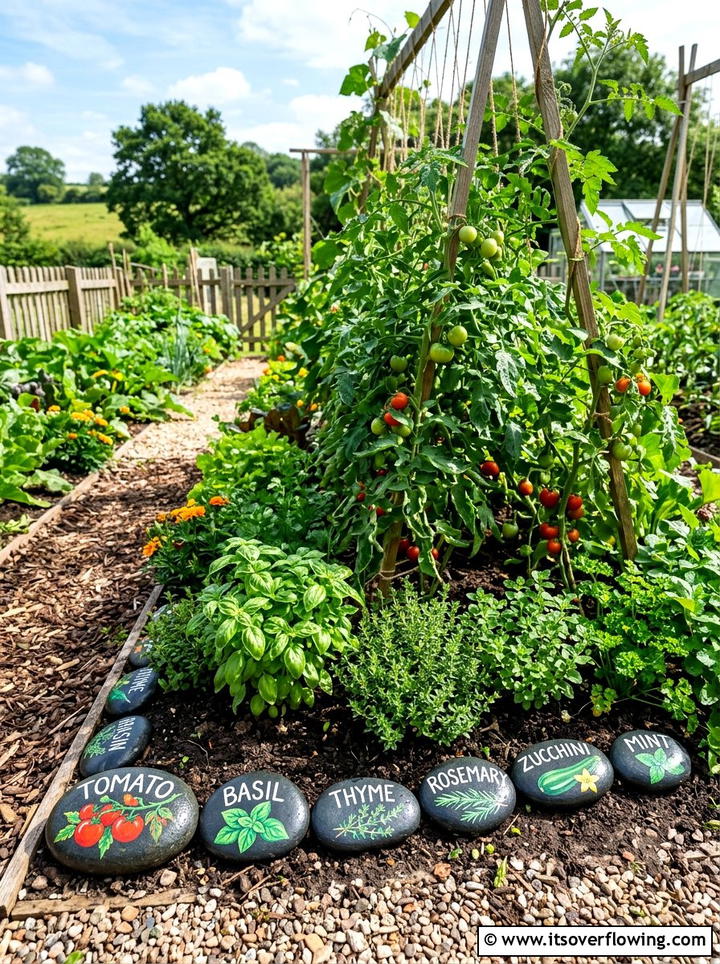
Labeling your vegetable patches and herb starts becomes a delightful artistic endeavor when you utilize smooth river stones as markers. This approach replaces flimsy plastic tags with durable, weather-resistant pieces that add a splash of color to your soil beds. You can use acrylic paints or outdoor markers to write names and draw miniature versions of the produce. Placing these stones at the base of your plants creates a charming, organized look that helps you keep track of your hard work throughout the growing season. It is a fantastic way to involve family members in gardening tasks while giving your outdoor space a customized, whimsical feel that truly stands out.
2. Stone garden border
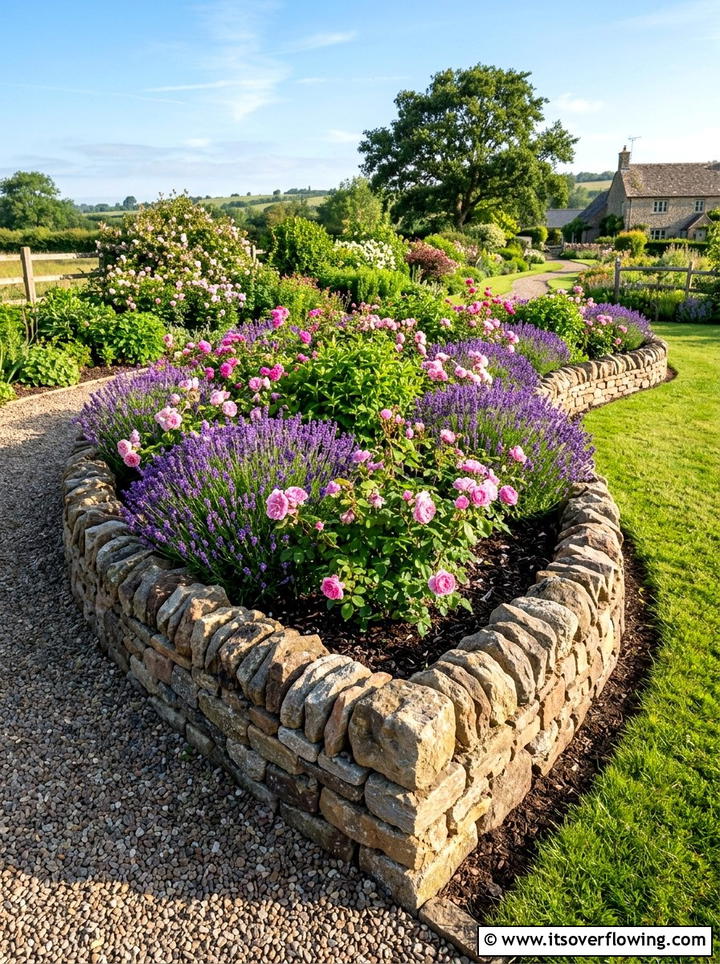
Installing a natural stone border around your flower beds provides a clean and polished finish that defines different zones in your yard. You can collect various sizes of fieldstones to create a rustic, stacked look that prevents grass from creeping into your blooms. This functional barrier also helps to retain mulch and moisture during heavy rain, ensuring your plants stay healthy and hydrated. The variation in stone shapes and colors adds a layered texture to the landscape, making the greens and florals pop. It is a low-maintenance solution that lasts for decades and only looks better as moss and small ferns begin to grow in the crevices.
3. Pebble mosaic path
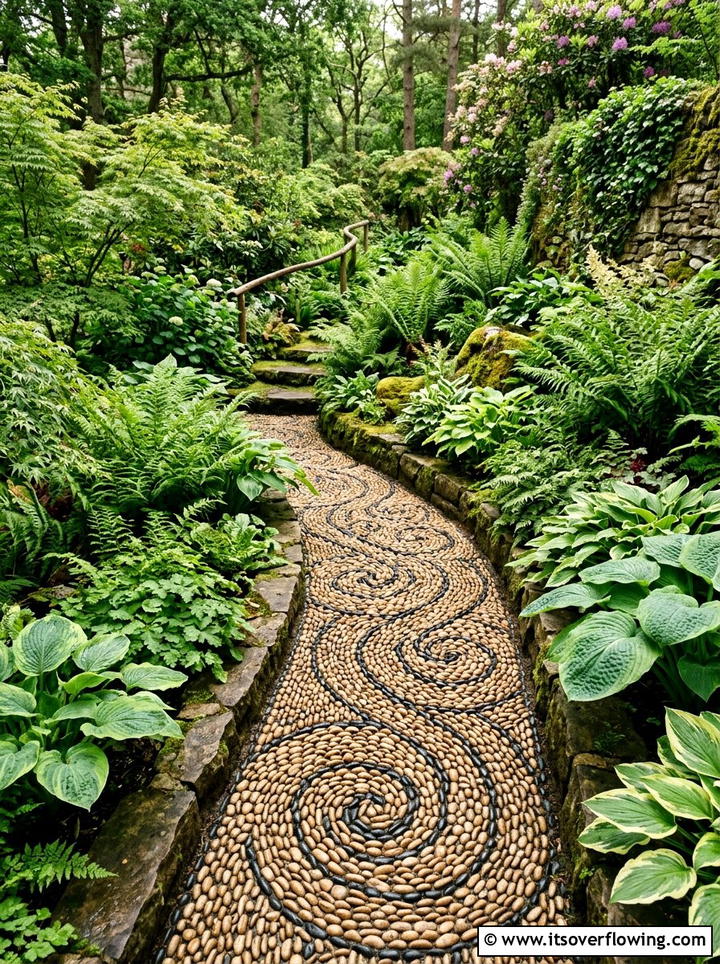
Creating a pebble mosaic path is an incredible way to turn a functional walkway into a breathtaking work of art. By embedding small, smooth stones into a mortar base, you can craft intricate patterns, swirls, or floral motifs that guide guests through your garden. This technique allows for total creative freedom, as you can sort pebbles by color and size to achieve high-contrast visual effects. A mosaic path feels wonderful underfoot and adds an upscale, artisanal quality to any backyard setting. It serves as a permanent feature that withstands the elements while providing a unique conversation piece for everyone who visits your lush outdoor sanctuary.
4. Gabion garden bench
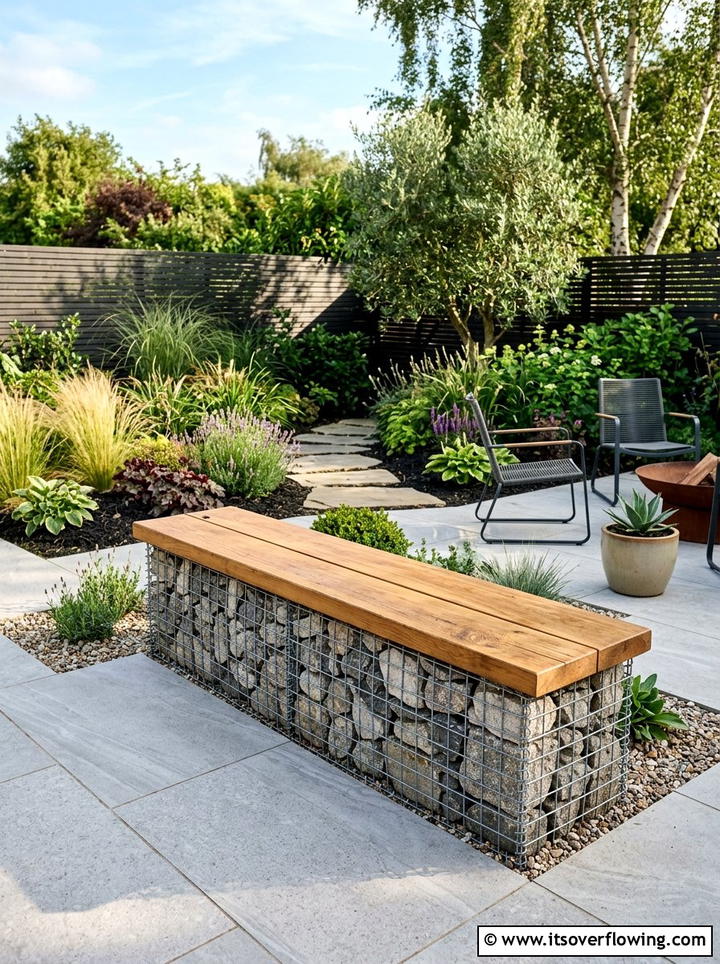
Building a gabion garden bench involves filling a wire mesh cage with various stones to create a sturdy and modern seating area. This industrial-meets-natural look is incredibly popular because it is both cost-effective and structurally sound. You can top the stone-filled cage with a smooth wooden plank to provide a comfortable surface for sitting and relaxing. The weight of the stones ensures the bench stays firmly in place, even during high winds or heavy storms. This design works perfectly in contemporary gardens where clean lines and raw materials are celebrated. It is an excellent way to repurpose rubble or leftover construction stones into something highly functional.
5. Spiral herb garden
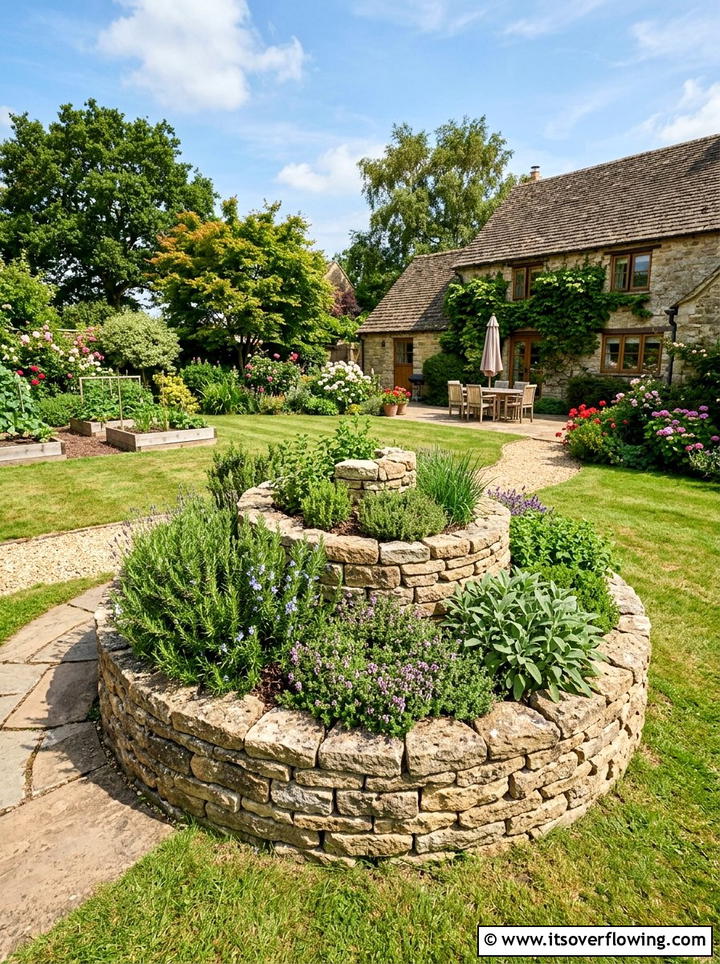
A spiral herb garden is a brilliant vertical planting technique that maximizes space while utilizing stones for thermal mass. By stacking stones in a rising spiral shape, you create different microclimates that suit various herbs within a single footprint. The stones at the top stay drier and warmer for Mediterranean herbs like rosemary, while the bottom stays cooler and moister for mint or parsley. This structure is not only highly efficient for drainage but also serves as a stunning architectural focal point in a backyard. It allows you to grow a large variety of culinary plants in a very small area, making it perfect for urban gardeners.
6. Stone birdbath
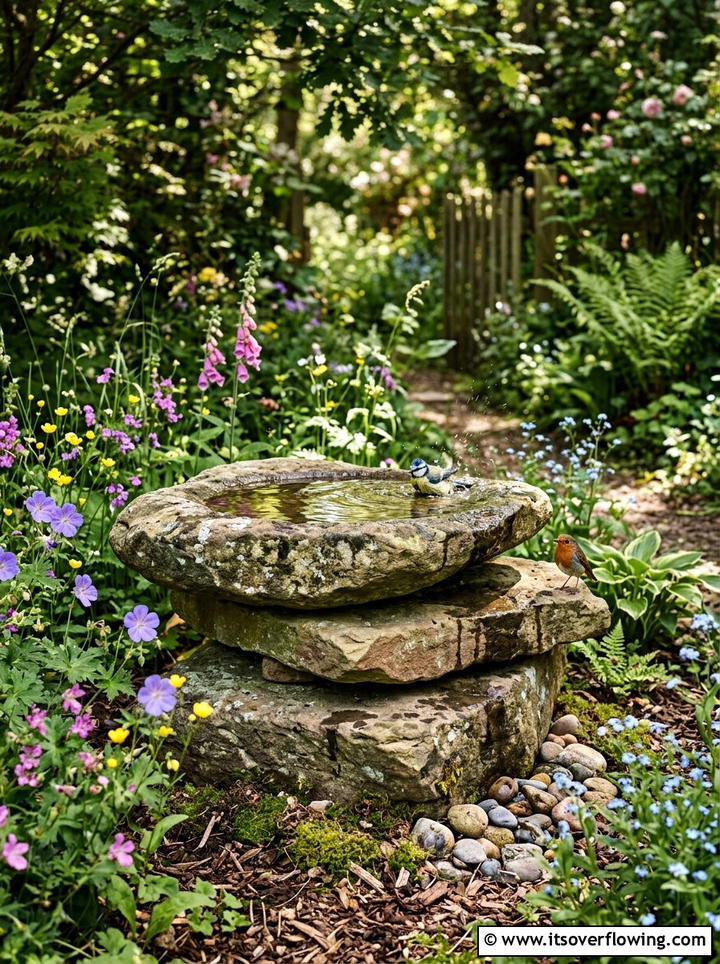
Crafting a stone birdbath is a simple yet impactful way to invite wildlife into your garden while adding a serene water feature. You can stack several large, flat stones to create a pedestal and top it with a wider, shallow stone that has a natural depression. If the top stone is too flat, you can use a bit of waterproof sealant and smaller pebbles to create a rim that holds water. Placing this feature near a shaded area encourages birds to visit for a drink or a quick dip. The natural aesthetic blends seamlessly with the surrounding foliage, creating a peaceful atmosphere that celebrates the harmony of nature.
7. Rock fire pit
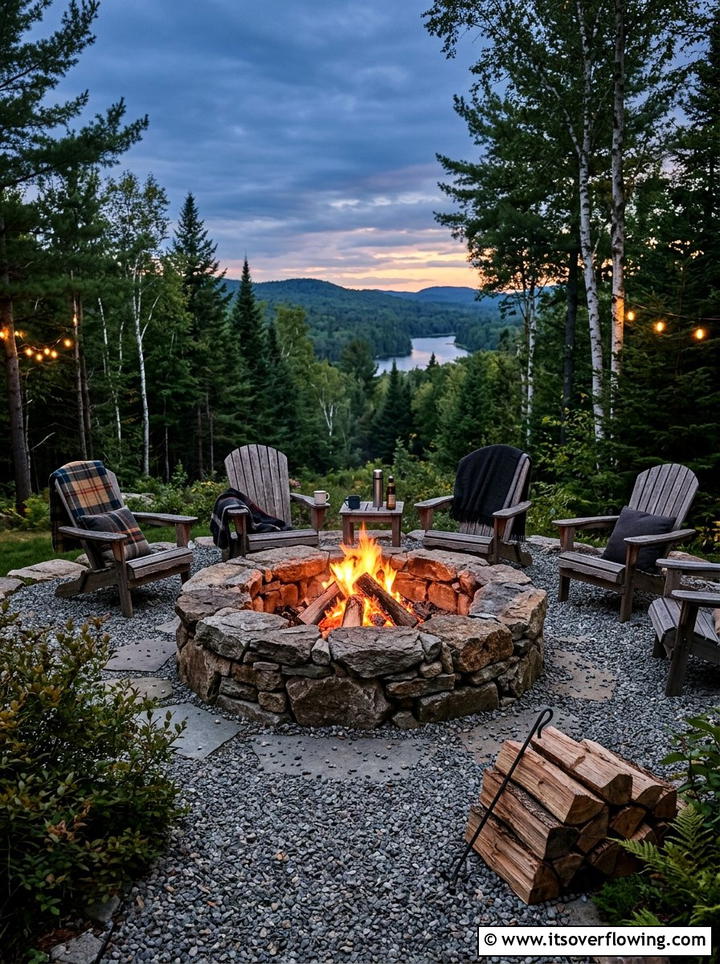
Constructing a rock fire pit creates a central gathering spot for friends and family to enjoy cool evenings outdoors. By digging a shallow hole and lining it with large, heat-resistant fieldstones, you create a safe and rustic environment for a crackling fire. The stones act as a natural heat sink, radiating warmth long after the flames have died down. Surrounding the pit with a ring of smaller pebbles or gravel prevents stray sparks from reaching nearby grass or wooden structures. This DIY project adds significant value to your lifestyle, providing a cozy place for roasting marshmallows and sharing stories under the vast, starlit night sky.
8. Stone retaining wall
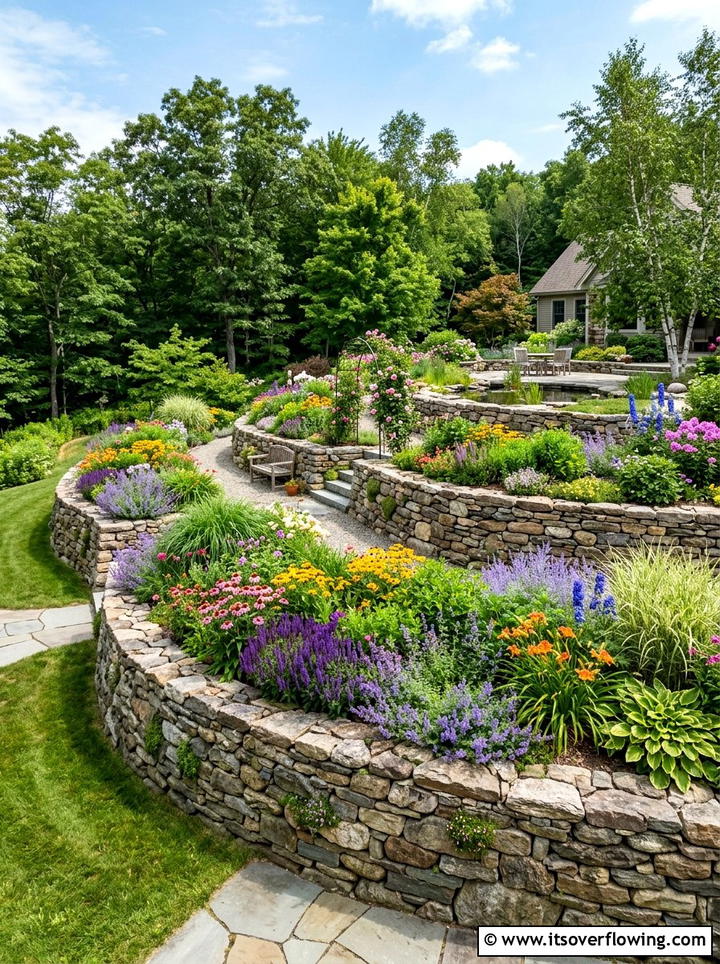
A stone retaining wall is an essential feature for managing sloped landscapes and preventing soil erosion in your garden. By carefully dry-stacking flat stones, you can create level terraces that provide more planting space for flowers, shrubs, or vegetables. These walls have a classic, old-world charm that adds structure and depth to your yard without the need for harsh concrete or treated timber. The natural gaps between the stones allow for proper drainage, which is crucial for maintaining the integrity of the slope. Over time, small alpine plants can be tucked into the cracks, creating a living wall that feels like a natural part of the earth.
9. Pebble garden art
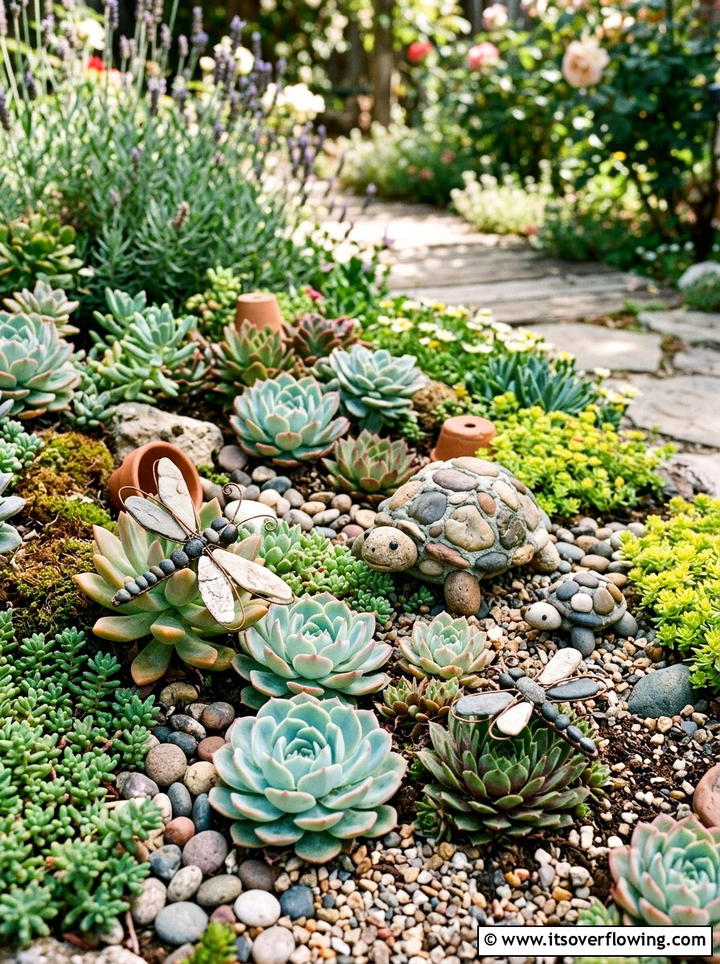
Pebble garden art allows you to express your personality through small, creative installations scattered throughout your flower beds or along pathways. You can glue smooth stones together to create shapes like dragonflies, turtles, or even abstract sculptures that nestle among the greenery. These little surprises provide a sense of discovery for anyone walking through the space and add a touch of whimsy to the landscape. Using different types of stones, such as quartz, slate, or river rock, provides a variety of colors and finishes. It is a fun, low-pressure project that turns ordinary rocks into precious decorative gems that withstand the rain and sun.
10. Stone plant labels
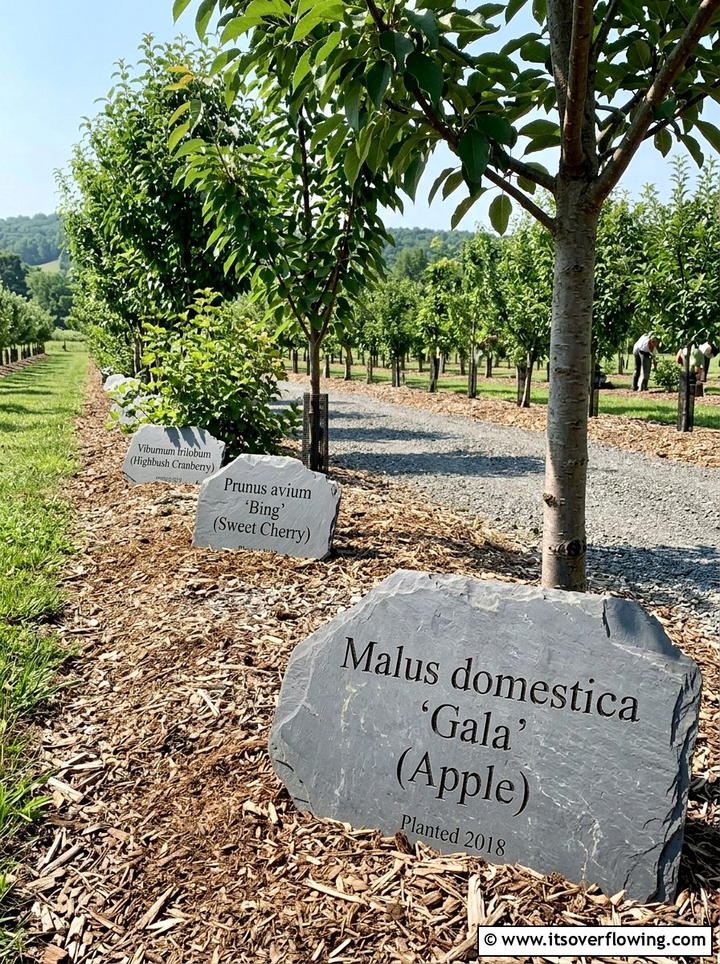
Using larger, flat stones as plant labels is a sophisticated and eco-friendly alternative to plastic or metal markers. By using a permanent outdoor paint or an engraving tool, you can clearly mark the names of your perennial shrubs, rose varieties, or fruit trees. These heavy markers won ‘t blow away in the wind or degrade over time, ensuring your garden remains organized for years to come. The earthy tones of the stone complement the soil and mulch, providing a subtle look that doesn’ t distract from the natural beauty of the plants. It is a practical upcycling solution that brings a professional and tidy look to any backyard.
11. Rock mulch for succulents
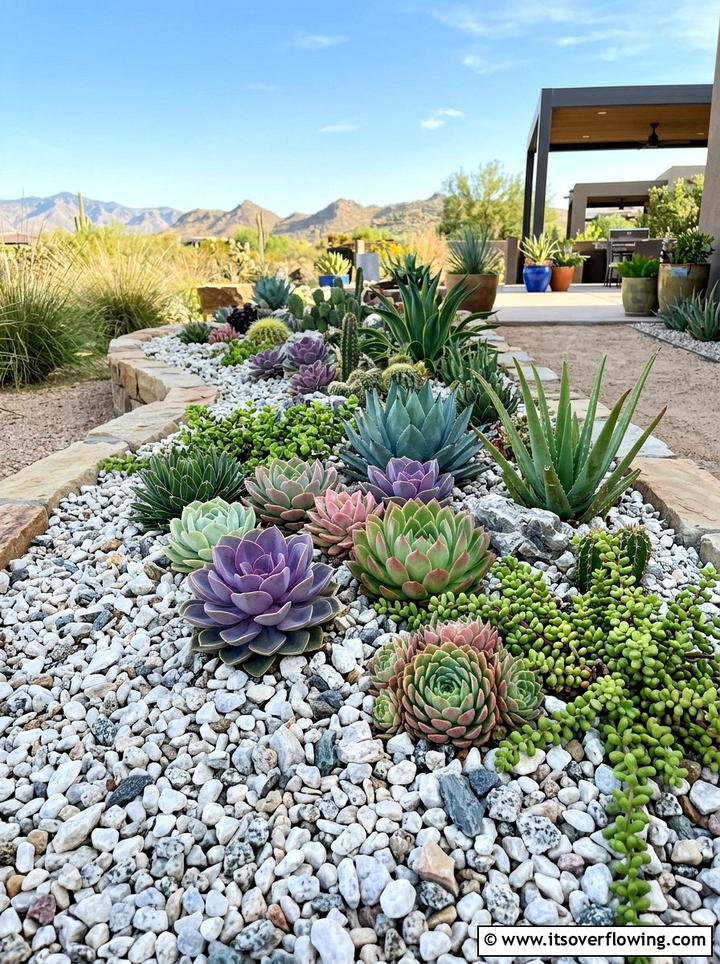
Using small stones or gravel as rock mulch for succulents is a smart way to regulate soil temperature and prevent rot. Succulents thrive in well-draining environments, and a layer of stones around the base of the plant helps keep the foliage off the damp earth. This technique also gives your succulent garden a clean, desert-inspired look that is very popular in modern landscaping. The stones help to suppress weeds and retain just the right amount of moisture in the soil below. You can choose different colors of crushed stone to create a visual contrast that highlights the unique shapes and vibrant colors of your favorite succulent varieties.
12. Stone step walkway
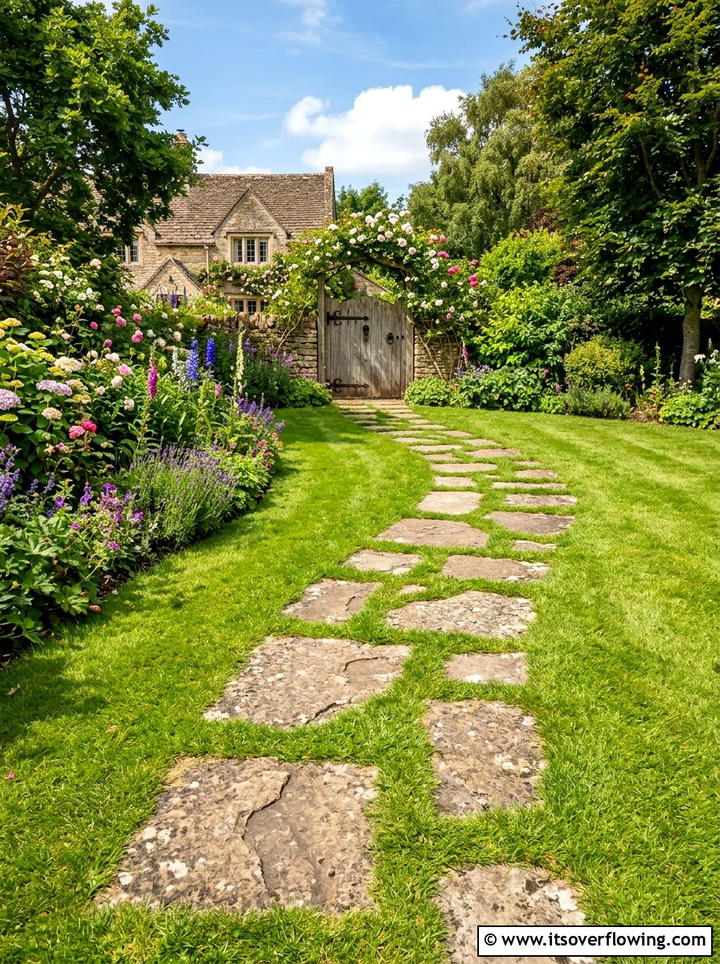
A stone step walkway is a practical and beautiful way to create a clear path through a lawn or a densely planted garden area. By placing large, flat flagstones or stepping stones at comfortable intervals, you create a stable surface for walking without disturbing the surrounding ground cover. This type of path prevents soil compaction and protects your grass from heavy foot traffic during the rainy season. The irregular shapes of natural stones give the walkway an organic feel that mimics a forest trail. It is an easy DIY project that instantly improves the flow of your outdoor space while adding a touch of rustic elegance.
13. Gabion planter box
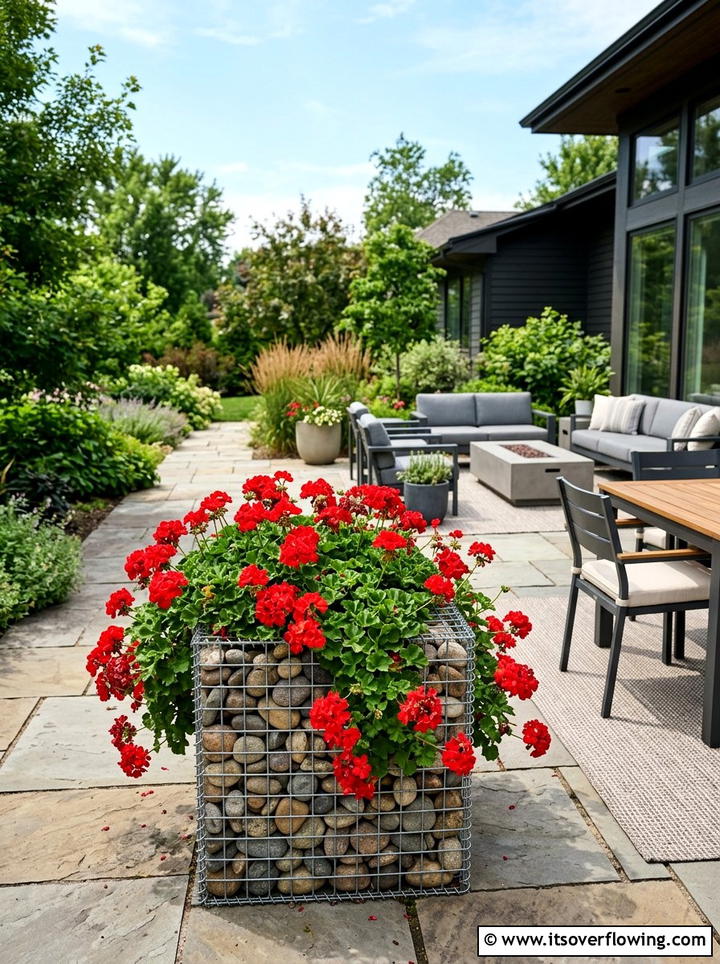
Creating a gabion planter box is a unique way to combine the raw texture of stones with the soft beauty of live plants. You can build a double-walled wire frame and fill the gap between the walls with colorful river rocks or local fieldstones. The hollow center is then lined and filled with soil, providing a perfect home for flowers, herbs, or ornamental grasses. This design offers excellent drainage and acts as a sturdy, frost-resistant container that can survive harsh winters. The combination of the heavy stone base and the overflowing greenery creates a striking visual contrast that serves as a focal point in any garden.
14. Stone fairy house
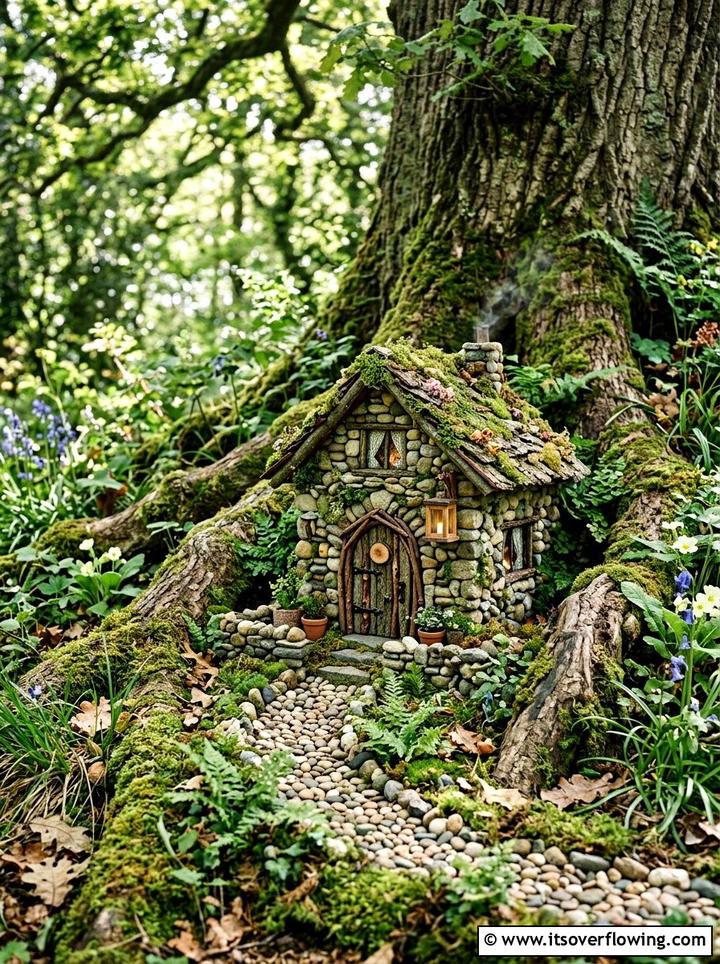
A stone fairy house is a magical addition to any garden, providing a sense of wonder and enchantment for children and adults alike. By using small pebbles, flat stones for roofing, and moss for decoration, you can build a miniature dwelling tucked away under a tree or near a pond. This project encourages creativity and allows you to use up small scraps of stone that might otherwise be discarded. Adding tiny details like a pebble chimney or a stone doorstep brings the scene to life. These small-scale structures add a layer of storytelling to your landscape, making your garden feel like a secret, lived-in world.
15. River rock drainage stream
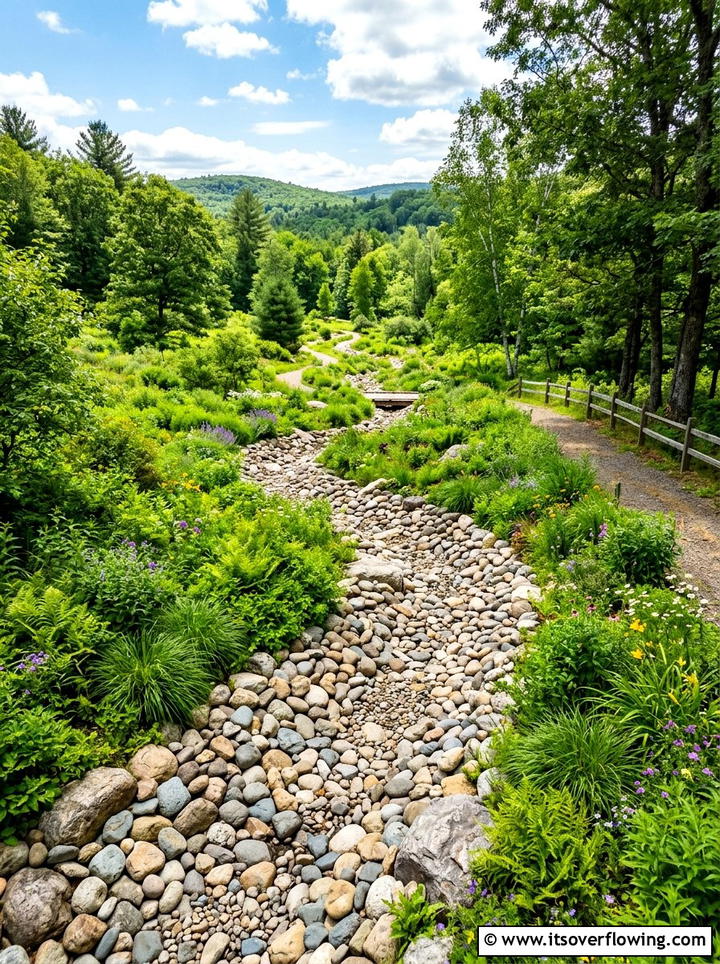
Installing a river rock drainage stream is a functional and attractive solution for managing excess rainwater in your yard. By creating a shallow, winding trench and lining it with smooth river rocks, you can direct water away from your home ‘s foundation and toward a safe exit point. This feature mimics the look of a dry creek bed, adding a peaceful and natural element to your landscaping even when it isn’ t raining. The different sizes of rocks help to break up the flow of water, preventing erosion and allowing some moisture to soak into the ground. It is a beautiful way to turn a drainage problem into a landscape asset.
16. Painted stone cactus
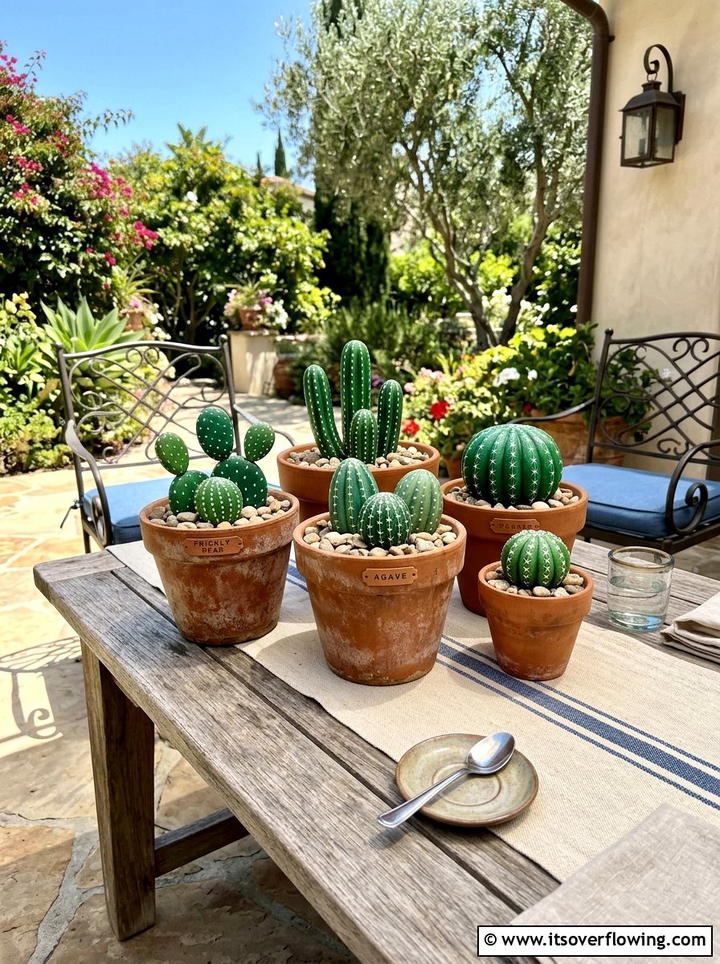
Painted stone cacti offer a clever and maintenance-free way to add a southwestern vibe to your patio or indoor garden space. By selecting upright, oval-shaped stones and painting them in various shades of green with white “spine” details, you can create realistic-looking plants. These stone cacti can be “planted” in terra cotta pots filled with sand or small pebbles to complete the look. They are perfect for areas where real plants might struggle to grow due to lack of light or extreme temperatures. This upcycling project is a fun way to bring color and character to your decor without ever having to worry about watering.
17. Stone garden bench
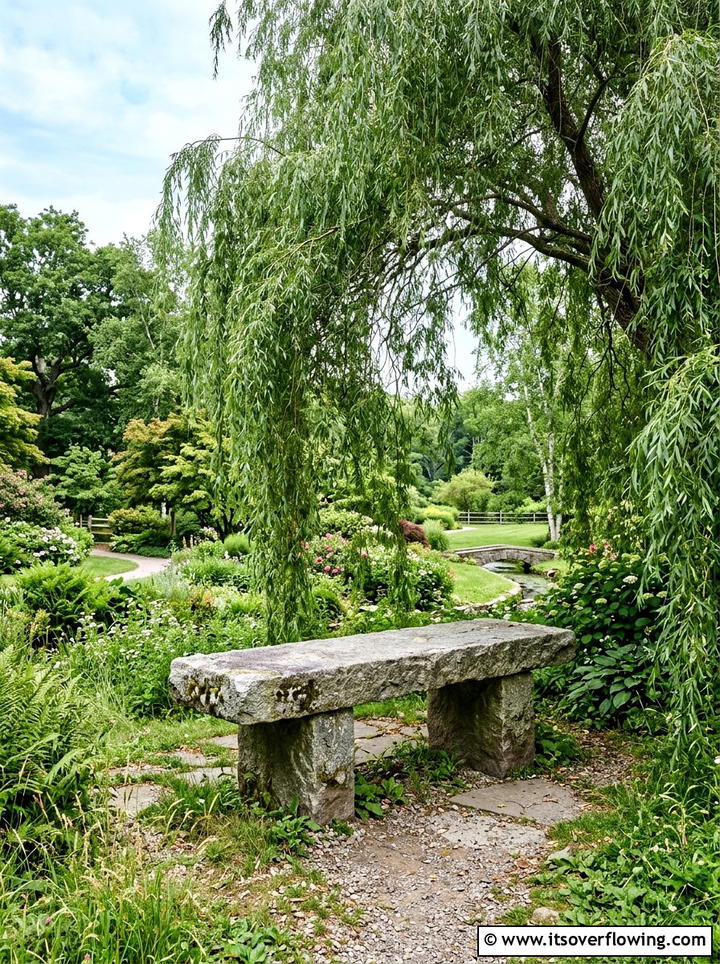
A solid stone garden bench provides a permanent and weather-resistant place to rest and enjoy the sights and sounds of your backyard. You can construct a simple bench by using two large, thick stones as legs and one long, flat slab as the seat. This heavy-duty furniture piece requires no maintenance, painting, or staining, making it a sustainable choice for long-term use. The cool surface of the stone is especially refreshing during the hot summer months, providing a comfortable spot to sit in the shade. Its timeless appearance ensures that it will blend effortlessly with any garden style, from formal to wild and natural.
18. Pebble flower pot
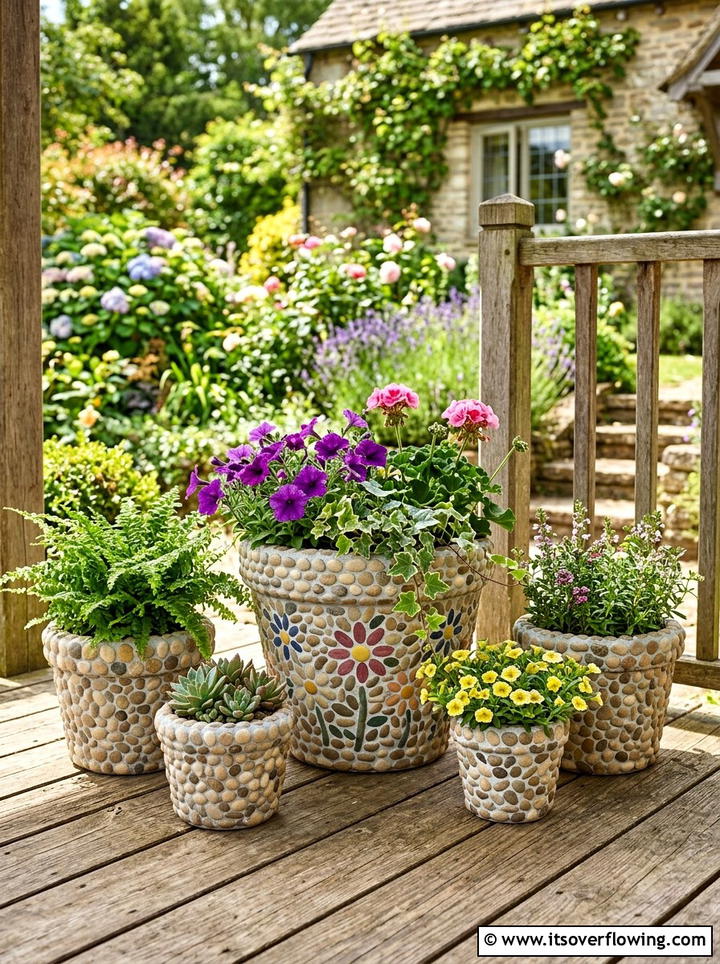
Upcycling an old or plain ceramic pot into a pebble flower pot is an easy way to add texture and a high-end feel to your container garden. By using a strong waterproof adhesive, you can cover the entire exterior of a pot with small, flat pebbles or river stones. Once the glue is dry, applying a layer of grout between the stones gives the pot a professional, finished look. This technique reinforces the pot and provides extra insulation for the plant’s roots. The finished product looks like a piece of custom masonry, making it a perfect accent piece for a front porch, patio, or interior windowsill.
19. Stone edging for flower beds
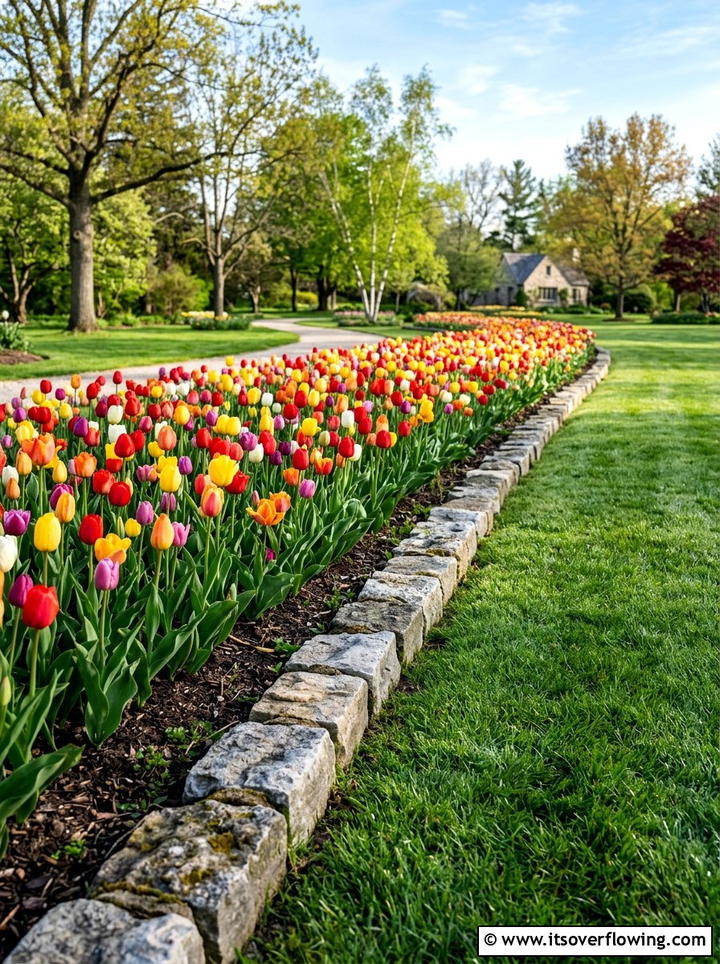
Using stones as edging for flower beds is a classic landscaping technique that helps keep your garden looking neat and well-defined. By sinking large stones halfway into the ground along the perimeter of your beds, you create a clear boundary between the lawn and your plants. This prevents mulch from washing away and provides a sturdy edge for lawn trimmers to follow. You can use uniform stones for a formal look or varying shapes and sizes for a more natural, cottage-style appearance. This simple addition brings a sense of order to the garden while highlighting the beautiful colors and textures of your curated plant collection.

20. Rock water feature
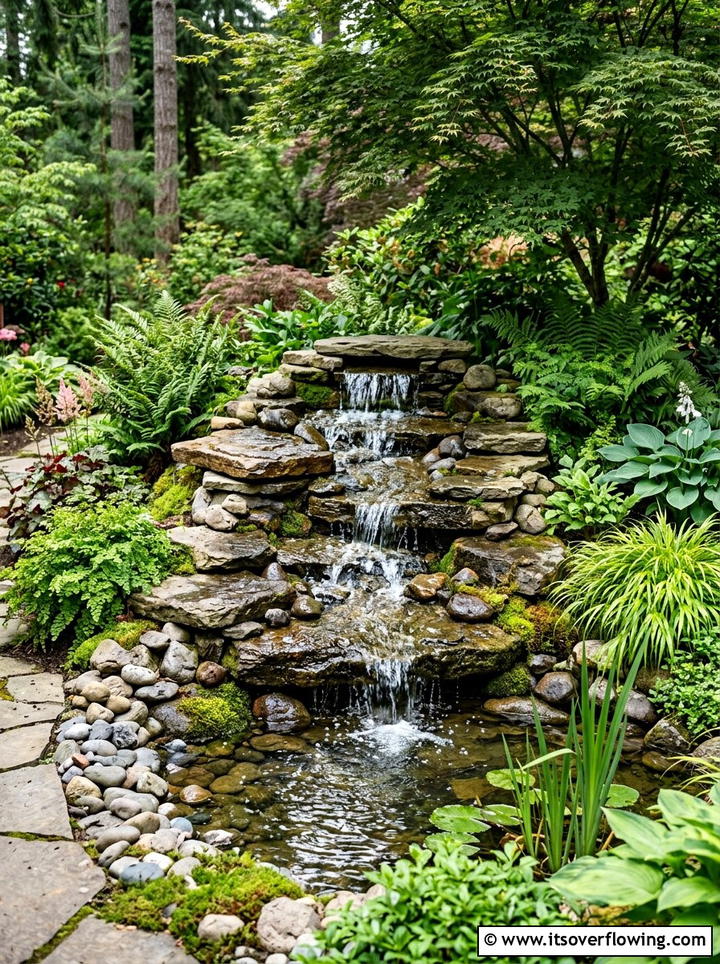
A rock water feature brings the soothing sound of trickling water into your garden, creating a peaceful and meditative environment. You can build a simple recirculating fountain by stacking flat rocks over a hidden reservoir and pump. As the water flows over the various layers of stone, it catches the light and creates a beautiful visual effect. The wet stones often reveal deeper colors and patterns that aren’t visible when they are dry. This type of feature is excellent for attracting local birds and butterflies who stop by for a drink. It transforms a quiet corner of your yard into a refreshing and lively oasis.
21. Stone garden sculpture
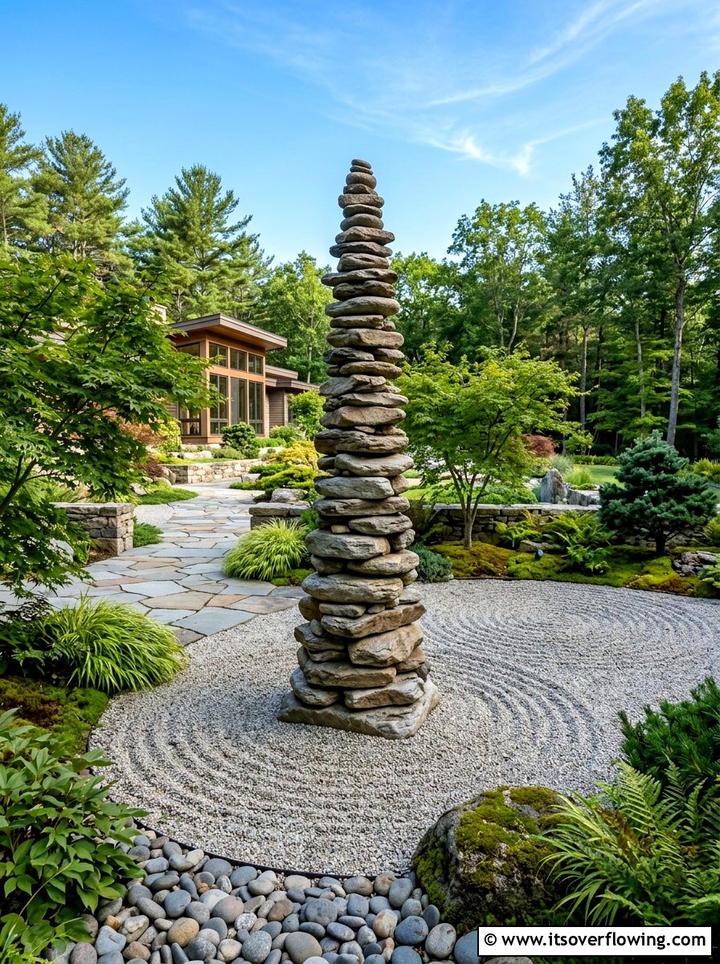
Creating a stone garden sculpture is a wonderful way to showcase your artistic side and add a unique focal point to your landscape. You can stack stones of decreasing sizes to create a traditional cairn, or use wire and adhesive to build more complex abstract shapes. These sculptures act as silent sentinels among your plants, adding height and interest to the garden throughout the year. Because they are made of natural materials, they weather beautifully over time, eventually becoming covered in lichens or moss. A well-placed stone sculpture can guide the eye through the garden and provide a sense of balance and artistic intention.
22. Stone plant stand
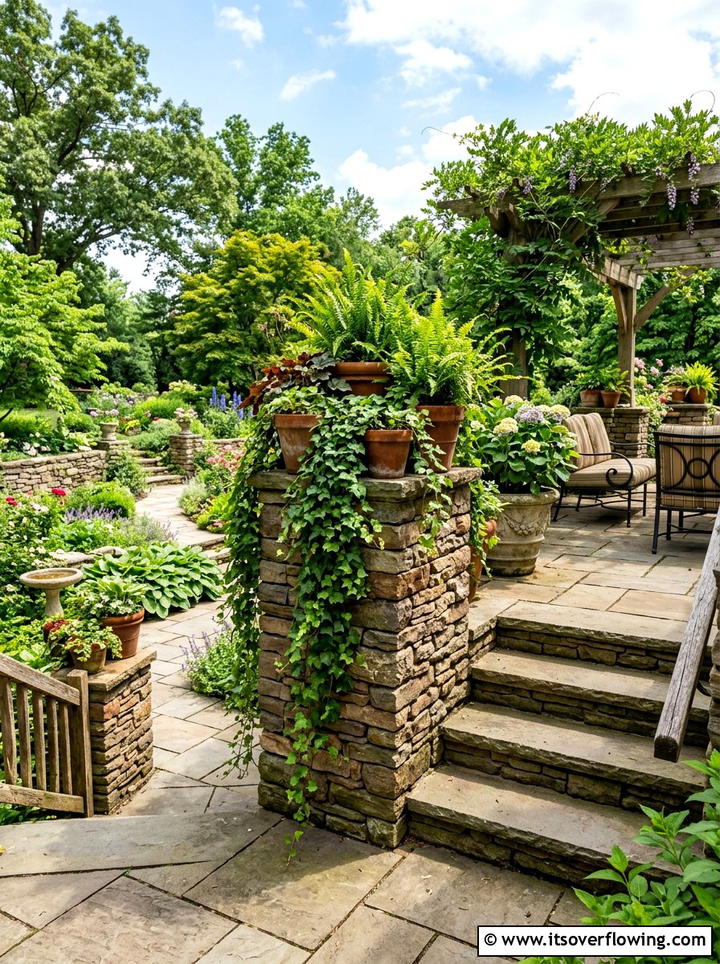
A stone plant stand is a sturdy and rustic way to elevate your favorite potted plants, making them more visible and easier to care for. You can create a simple stand by stacking a few flat, wide stones until you reach the desired height. This elevation helps to improve air circulation around the plants and keeps the pots off the damp ground, which can prevent pests from moving in. The natural weight of the stone ensures that the stand won’t tip over, even with a heavy ceramic pot on top. It is a great way to use up extra stones while adding vertical layers to your patio.
23. Rock walkway with wood
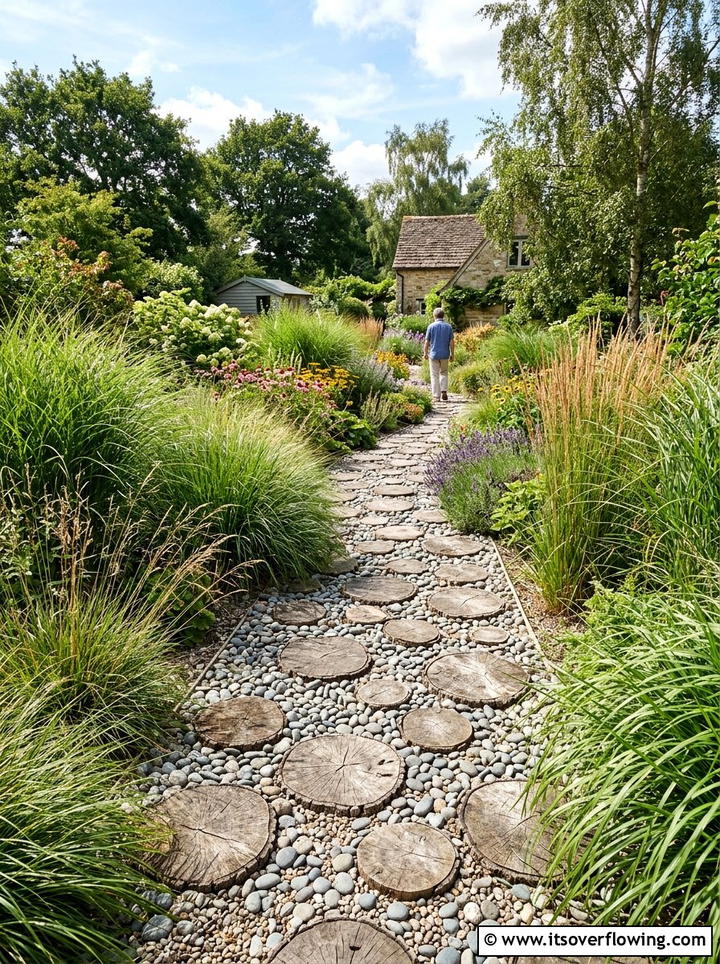
Combining rocks with wooden elements creates a stunning mixed-material walkway that feels modern and organic at the same time. You can use large wooden “cookies” or reclaimed timber planks as the main stepping surfaces, with small pebbles or gravel filling the gaps in between. This contrast between the warm tones of the wood and the cool, hard surface of the stones creates a visually rich path. The gravel provides excellent drainage and keeps the wooden elements from sitting in standing water, which helps to prevent rot. This design is perfect for a woodland garden or a path leading to a rustic outdoor shed.
24. Stone zen garden
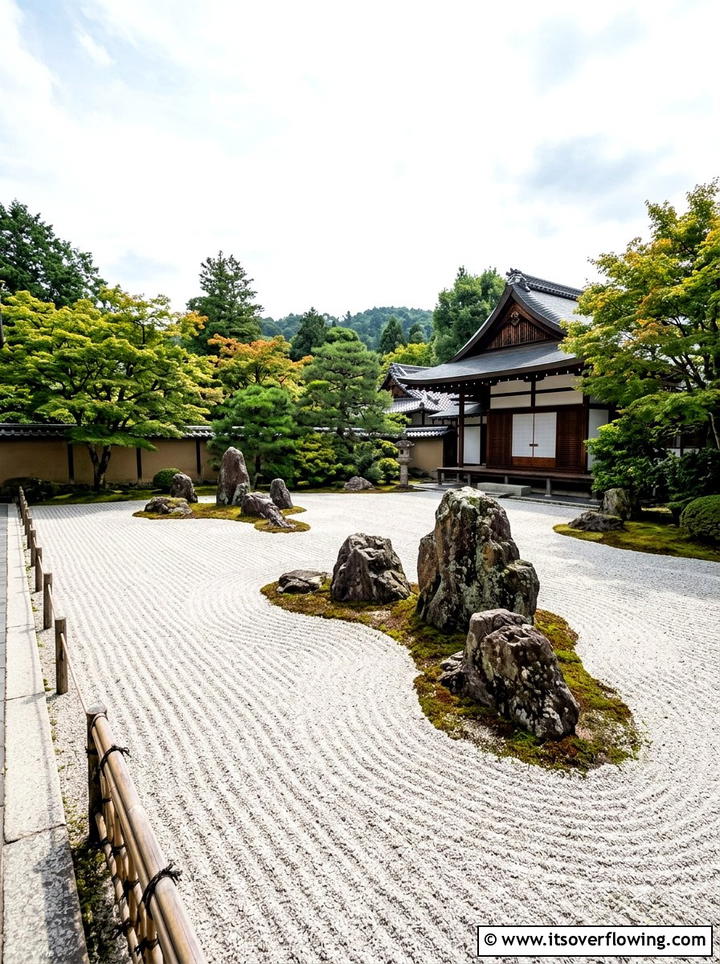
A stone zen garden is a dedicated space for reflection and mindfulness, characterized by its minimalist use of rocks and gravel. You can create a small area framed by larger boulders and filled with fine, light-colored gravel that can be raked into flowing patterns. The larger stones represent islands or mountains, while the raked gravel mimics the movement of water. This type of garden requires very little water and maintenance, making it an eco-friendly choice for dry climates. Spending a few minutes raking the gravel and observing the simple beauty of the stones can be a very grounding and peaceful daily ritual.
25. Gabion privacy wall
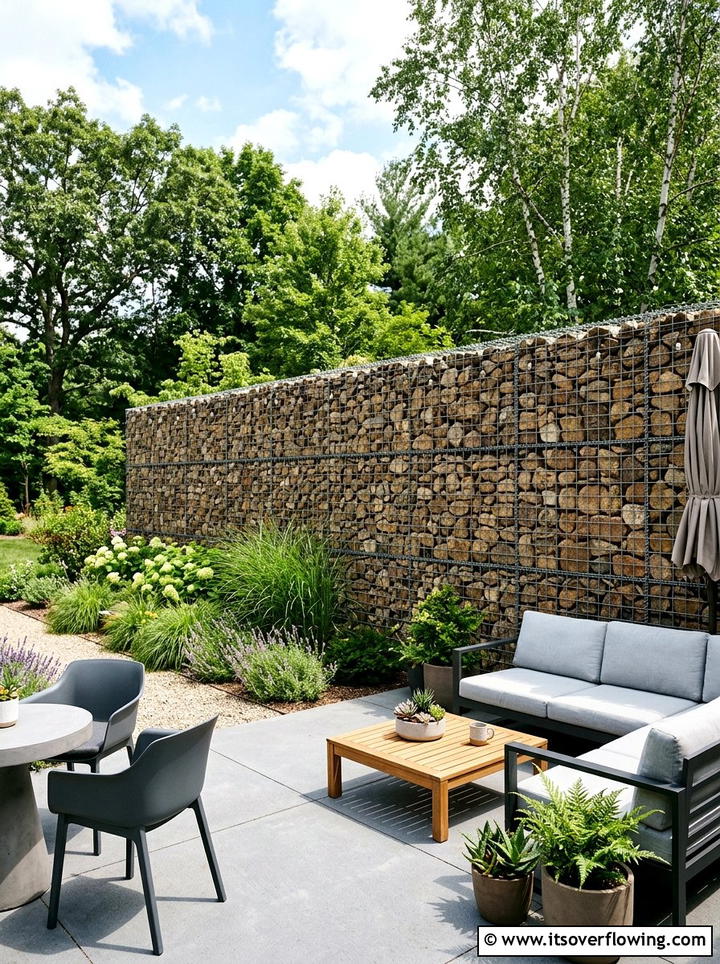
A gabion privacy wall is a massive and impressive structure that provides both sound dampening and a solid visual barrier for your backyard. By filling tall, narrow wire cages with locally sourced stones, you create a heavy wall that requires no deep foundation or mortar. This structure is incredibly durable and can withstand the test of time while providing a unique architectural backdrop for your garden plants. The wall allows air to pass through while blocking unwanted views, making it a perfect solution for properties close to busy roads. It is a bold upcycling project that makes a powerful statement about sustainable and functional design.
Conclusion:
Upcycling stones in your garden is more than just a budget-friendly DIY project; it is a way to create a lasting connection between your home and the natural world. From the practical benefits of drainage and soil retention to the artistic joy of pebble mosaics and sculptures, stones offer endless versatility for any outdoor enthusiast. These projects prove that with a bit of creativity, the most basic materials can be transformed into stunning features that improve both the function and beauty of your landscape. By choosing to work with natural elements, you are investing in a garden that will grow more beautiful and full of character with every passing year.

Related posts:
 25 Upcycled Garden Ideas for Shaded Spaces Full of Charm
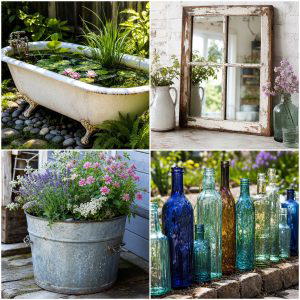 25 Upcycled Garden Ideas With Cottage Style for Cozy Charm
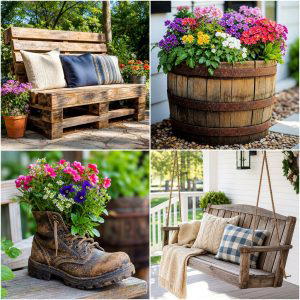 25 Upcycled Garden Ideas With Farmhouse Style for Rustic Charm
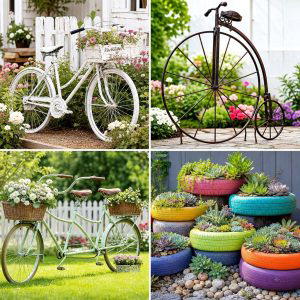 25 Upcycled Garden Ideas With Old Bicycles for Vintage Charm
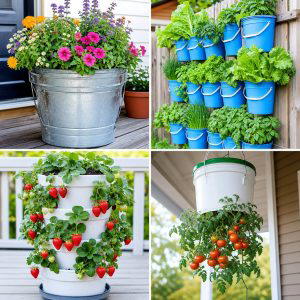 25 Upcycled Garden Ideas With Old Buckets for Farmhouse Charm
 25 Upcycled Garden Ideas With Old Gates for Rustic Charm
 25 Upcycled Garden Ideas With Old Shutters for Charm
 25 Upcycled Garden Ideas With Old Tubs for Vintage Charm
 25 Upcycled Garden Ideas With Old Windows for Charm
 25 Upcycled Garden Ideas With Rope for Rustic Outdoor Charm
 25 Upcycled Garden Ideas With Garden Edging for Neat Borders
 25 Upcycled Garden Ideas With Garden Signs for Cute Yard Decor