
Creating a vibrant and sustainable community garden requires more than just soil and seeds; it involves heart and resourcefulness. By choosing to incorporate recycled materials into shared public spaces, neighbors can foster a deeper connection with the environment while building a unique aesthetic that tells a story. These projects not only reduce waste sent to landfills but also provide an accessible way for everyone to participate in urban greening without needing a massive budget. From repurposed industrial pallets to colorful painted tires, every reclaimed item adds character and a sense of history to the landscape. Transforming forgotten objects into functional art creates a welcoming atmosphere where people of all ages can gather, learn, and grow together.
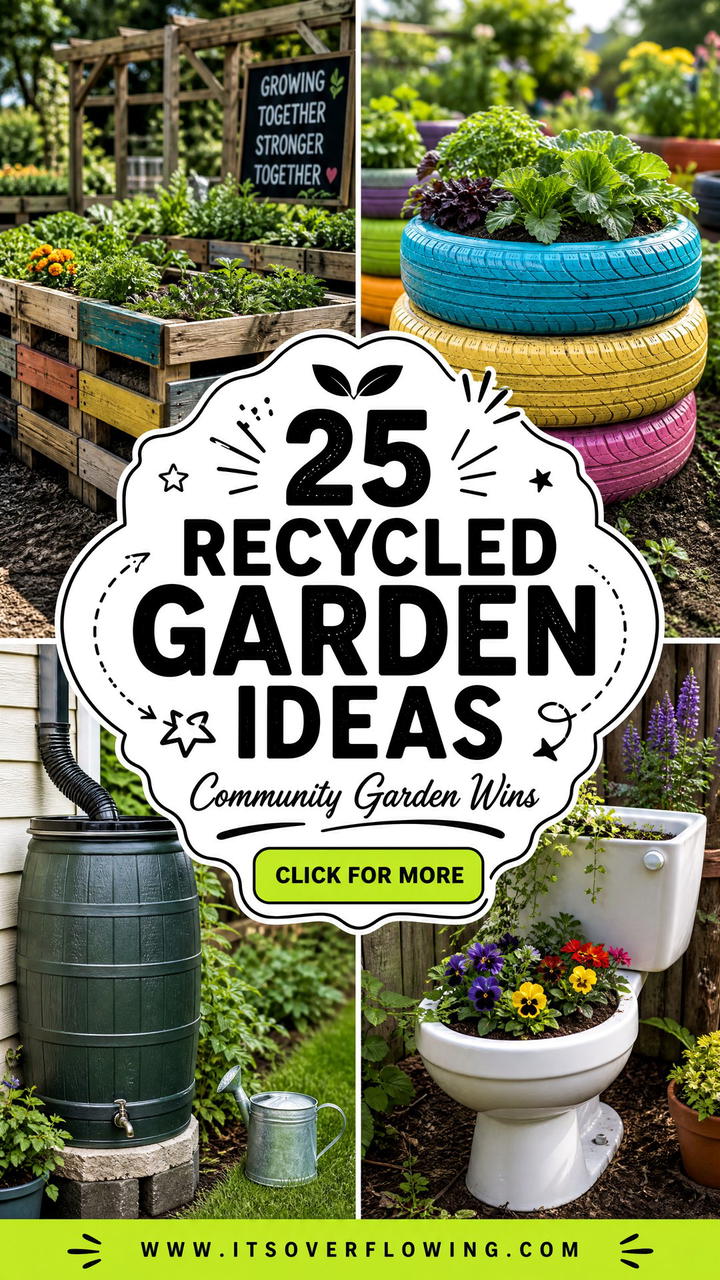
1. Pallet Planter For Community Garden
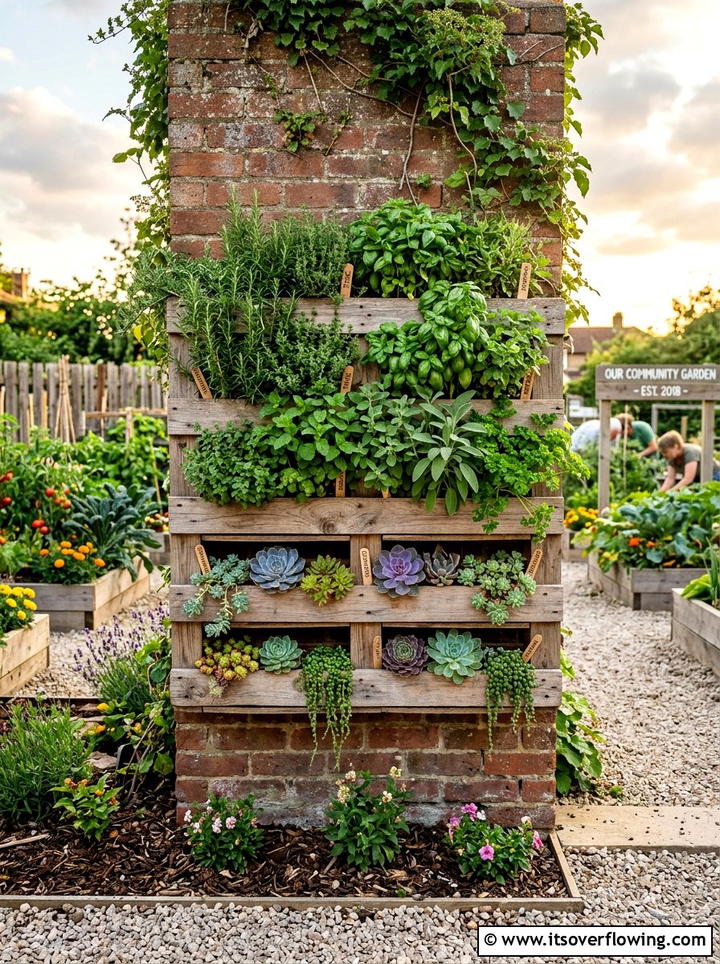
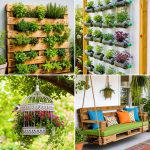
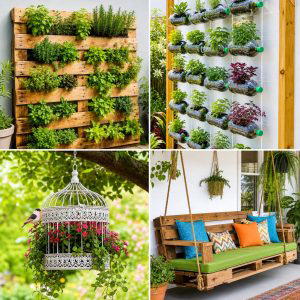
Horizontal wooden pallets offer a versatile and sturdy foundation for creating vertical growth in tight urban spaces or large community plots. You can easily lean these reclaimed structures against a brick wall or secure them to a sturdy fence to maximize your growing area for fragrant herbs and leafy greens. By lining the interior slats with durable landscape fabric, you create pockets that hold nutrient-rich soil perfectly for shallow-rooted plants. This approach allows community members to enjoy a lush, green wall that requires minimal space while adding a natural, rustic charm to the surrounding environment. Painting the wood with eco-friendly stains can further enhance the aesthetic and protect the material from weather-related wear and tear.
2. Used Tire Garden Bed
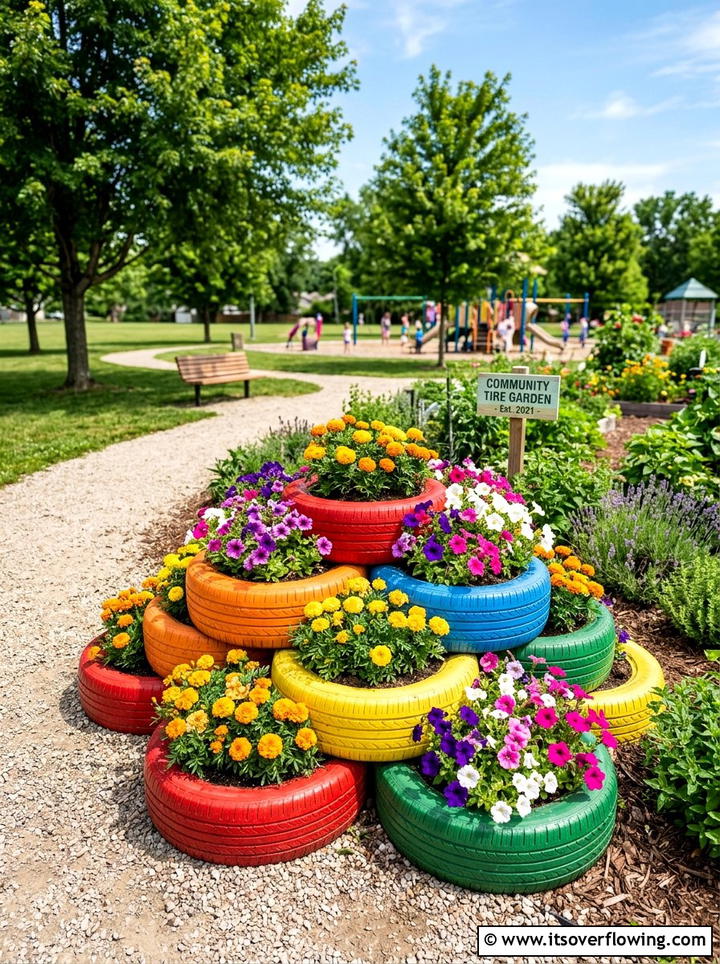
Old tires that would otherwise sit in a landfill can be transformed into incredibly durable and long-lasting raised garden beds for public community spaces. By stacking these rubber circles and filling the centers with high-quality compost and potting soil, you create ideal conditions for growing deep-rooted flowers and hardy vegetables. Many community groups choose to paint the exterior of the tires with bright, weather-resistant colors to create a playful and inviting atmosphere for children and families. This method is particularly effective for stabilizing slopes or defining specific zones within a large shared garden area where organization is key to success. Using tires provides a low-cost solution for building multiple planting stations that withstand heavy use.
3. Plastic Bottle Vertical Wall
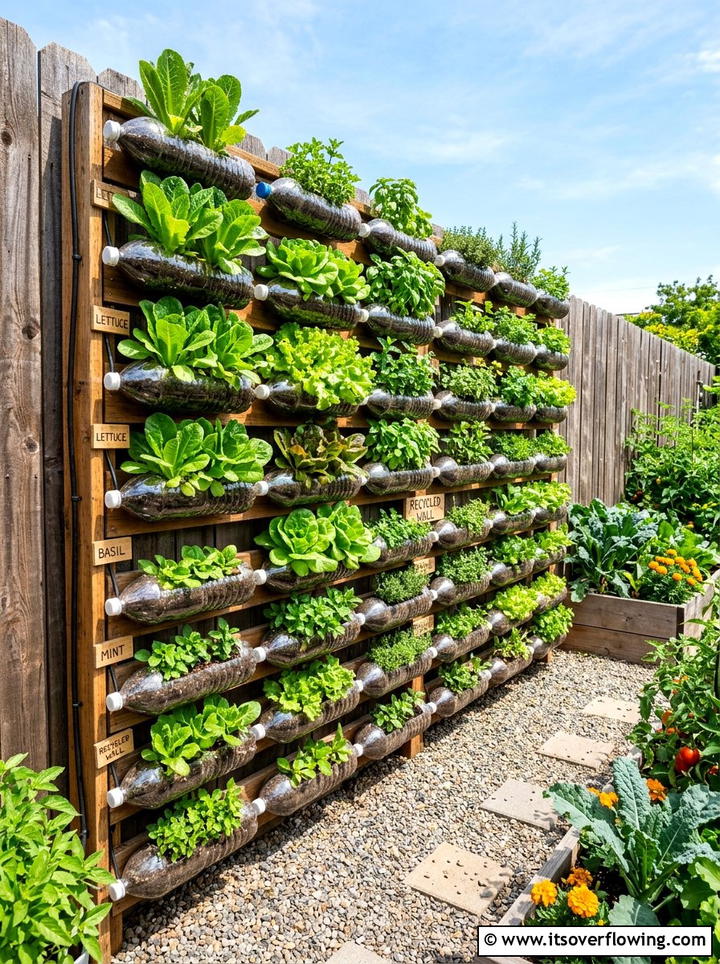
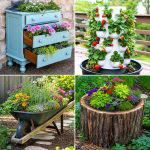
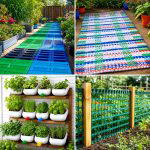
Transforming discarded plastic bottles into a vertical irrigation and planting system is a brilliant way to recycle plastic while growing food in narrow urban corridors. Each bottle is cut to allow for plant growth and stacked in a series that allows water to trickle down from the top to the bottom, ensuring efficient hydration. This innovative design serves as a visual educational tool for children, demonstrating the principles of recycling and gravity-based watering systems in a practical setting. When mounted on a community fence, these bottles create a shimmering, green tapestry of lettuce, strawberries, or herbs. This setup is perfect for involving students in gardening projects since it is easy to maintain and highly visual.
4. Tin Can Herb Garden
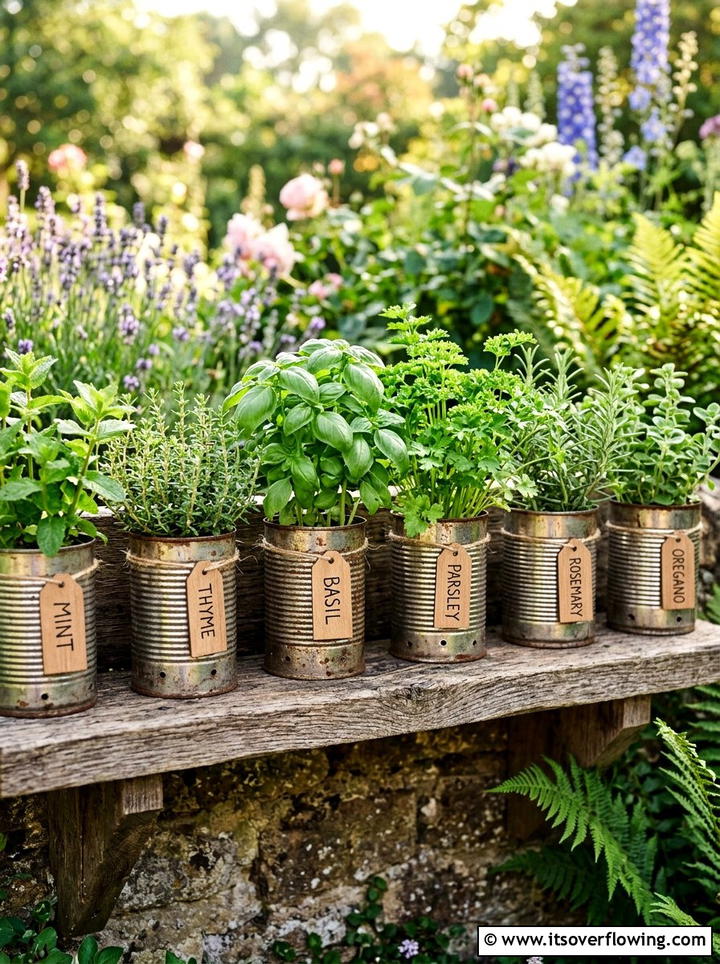
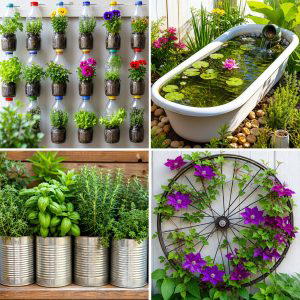
Empty tin cans from the local soup kitchen or community pantry can be repurposed into charming, small-scale herb gardens that fit perfectly on sunny windowsills or outdoor ledges. After thoroughly cleaning and drilling drainage holes in the bottom, these containers become excellent vessels for cilantro, basil, and parsley. Labeling each can with outdoor paint or chalkboard markers helps garden visitors identify the different varieties of herbs available for communal harvest. These lightweight containers can be mounted on a wooden board or placed in a decorative metal rack to create a unified and organized display. It is a simple yet effective way to encourage urban dwellers to engage with the process of growing their own seasonings.
5. Bathtub Flower Bed
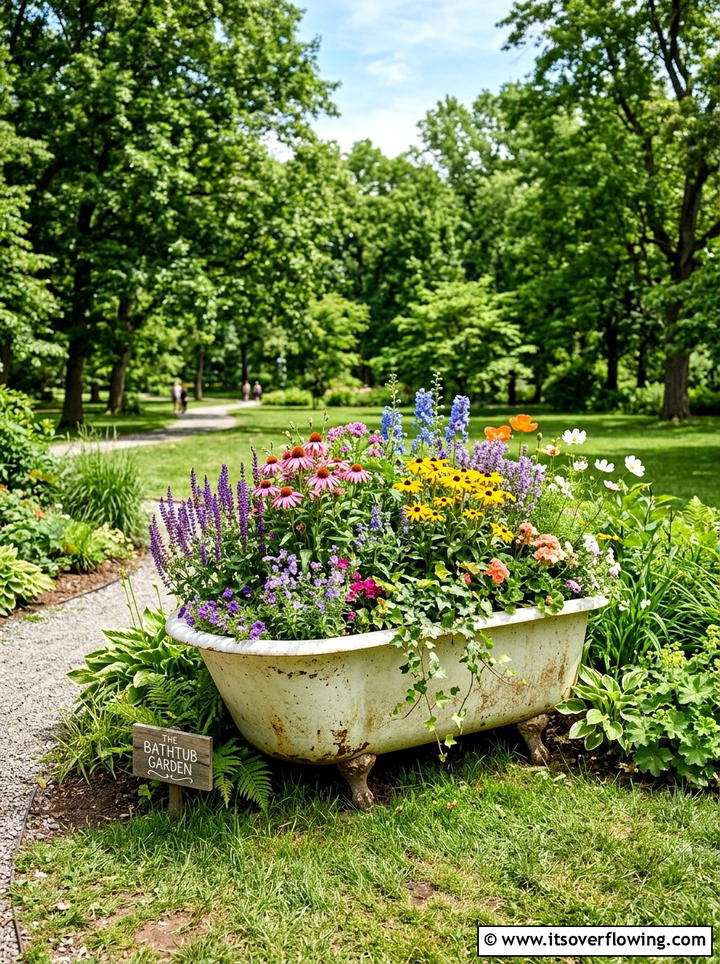
An old clawfoot or porcelain bathtub makes a dramatic and whimsical focal point when repurposed as a large-scale flower bed in a community park. The deep basin provides ample room for a diverse mix of flowering perennials, ornamental grasses, and trailing vines that spill over the edges beautifully. Because these tubs are typically made of heavy-duty materials, they are highly resistant to the elements and provide a permanent structure for long-term landscaping projects. Placing a vintage tub in a central location creates a conversation piece that celebrates the beauty of giving old items a brand-new life. Filling it with vibrant blooms like petunias and marigolds ensures a stunning display of color throughout the seasons.
6. Cinder Block Seating Area
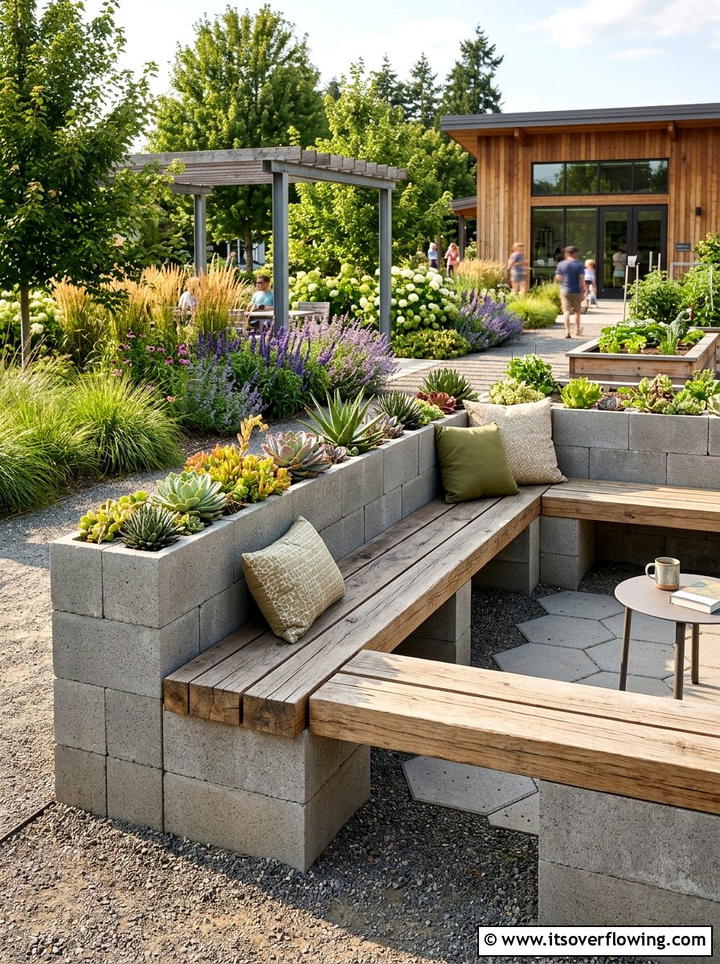
Cinder blocks are incredibly affordable and easy to source, making them the perfect material for building sturdy, modular seating areas within a shared community garden. By stacking the blocks in layers and inserting thick wooden beams through the hollow centers, you can create long benches that accommodate many people at once. These structures are not only functional but also offer additional planting opportunities in the unused top holes of the vertical cinder blocks. Planting small succulents or hardy creeping thyme in these gaps softens the industrial look of the concrete and integrates the furniture into the garden. This DIY approach allows communities to build social hubs where residents can rest and connect.
7. Wooden Crate Vegetable Patch
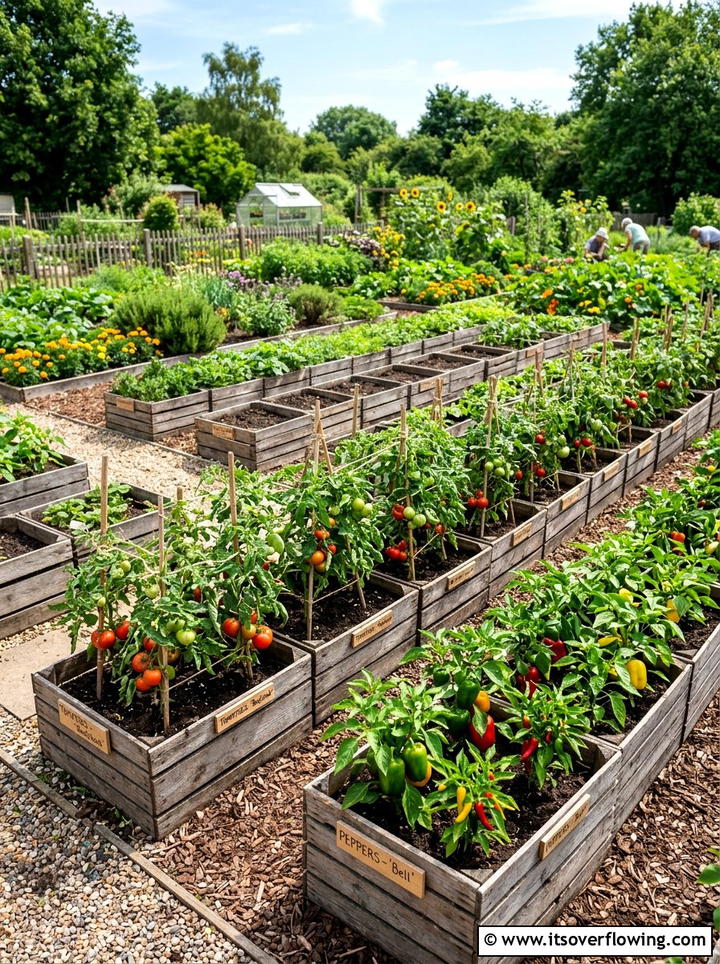
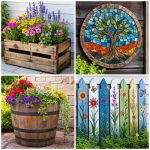
Recycled wooden crates from grocery stores or shipping yards provide an excellent, portable solution for creating organized vegetable patches in community gardening projects. These boxes are ideal for defining individual plots for different families or groups, allowing everyone to take ownership of their specific growing area. Their uniform size makes it easy to arrange them in tidy rows or decorative patterns that maximize the available sunlight and walking space. To ensure the crates last through several growing seasons, it is helpful to line them with breathable plastic or landscape fabric before filling them with soil. This method is particularly useful for temporary garden sites where the entire setup might eventually need relocation.
8. Rain Barrel Water System
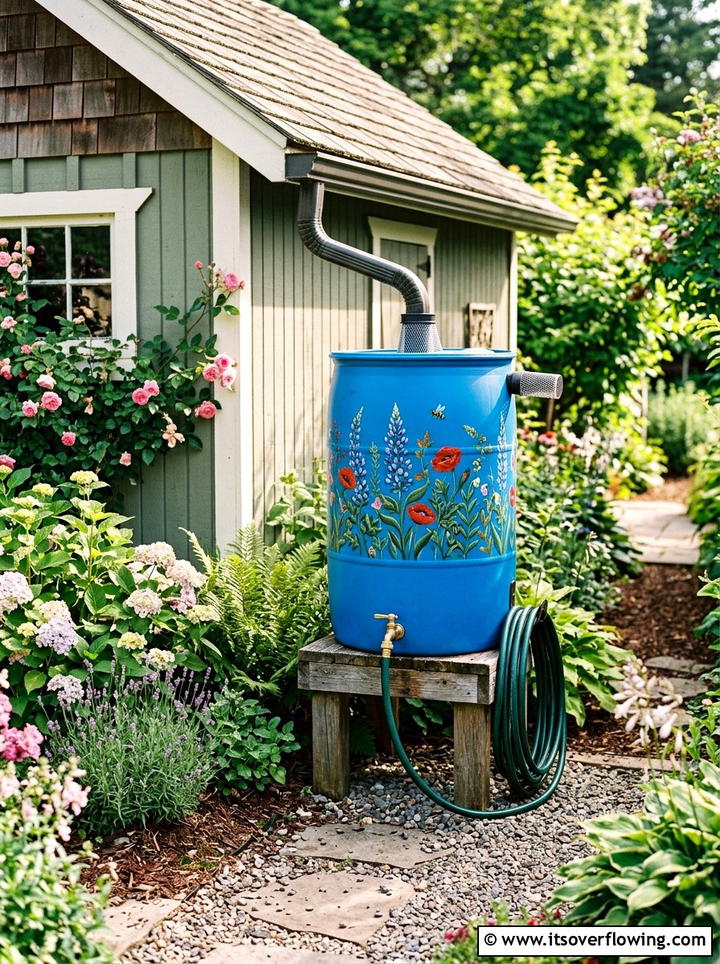
Installing a recycled rain barrel system is an essential step for any community garden looking to promote water conservation and environmental sustainability. By repurposing large industrial food-grade drums, communities can collect and store rainwater from nearby roof surfaces to use during dry spells. Connecting a simple spigot or hose to the base of the barrel allows gardeners to easily access free, nutrient-rich water for their plants. Decorating the barrels with community-themed murals or nature-inspired art can turn a functional utility into a beautiful piece of public art. This system reduces the reliance on municipal water and teaches visitors about the importance of managing natural resources within an urban or suburban landscape.
9. Reclaimed Brick Pathway
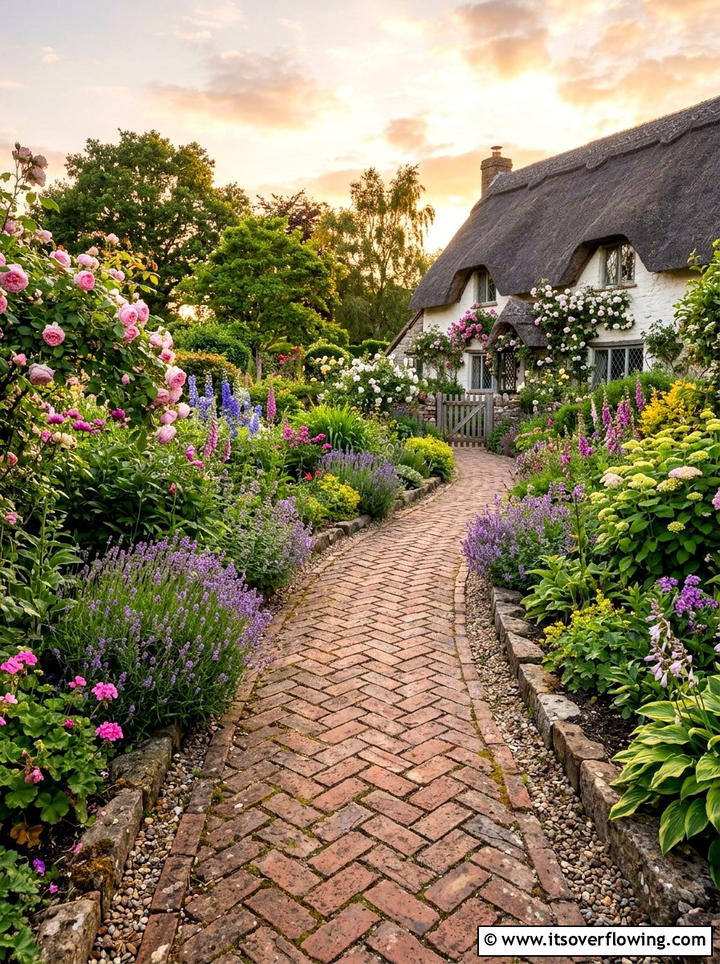
Using reclaimed bricks from demolition sites or old building projects to create a garden pathway adds a sense of history and timelessness to community spaces. Laying bricks in a classic herringbone or basketweave pattern provides a stable and permeable surface that allows water to soak into the ground rather than running off. This type of hardscaping is perfect for guiding visitors through the various sections of the garden while protecting delicate plants from foot traffic. The varying shades and textures of recycled bricks create a warm, organic feel that complements the surrounding greenery and flowers. It is a durable and low-maintenance solution that keeps the community garden accessible to everyone, including those with strollers.
10. Bicycle Flower Display
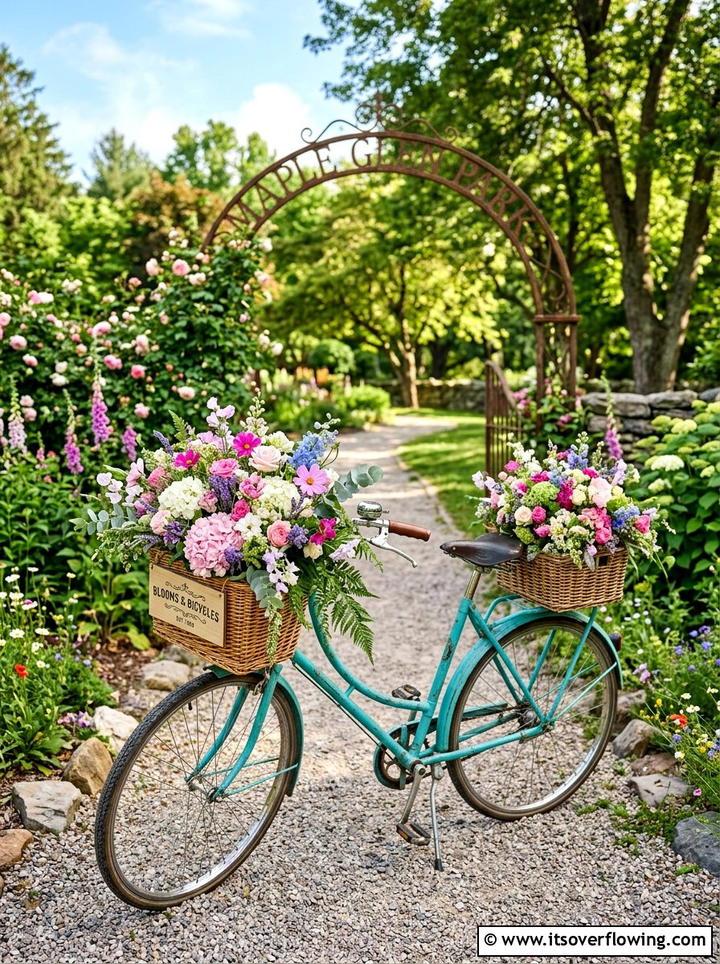
Repurposing a vintage bicycle as a stationary flower display adds a touch of nostalgia and artistic flair to the entrance of a community garden. By attaching baskets to the handlebars and the rear rack, you can create multiple levels of planting space for cascading flowers like lobelia or ivy. Painting the entire bike frame in a bright, cohesive color like turquoise or yellow helps it stand out against the green foliage of the garden. This creative use of old transportation tools serves as a reminder of the community’s commitment to sustainable living and creative reuse. It is a simple project that transforms a piece of junk into a beloved and iconic landmark.
11. Hanging Shoe Organizer For Herbs
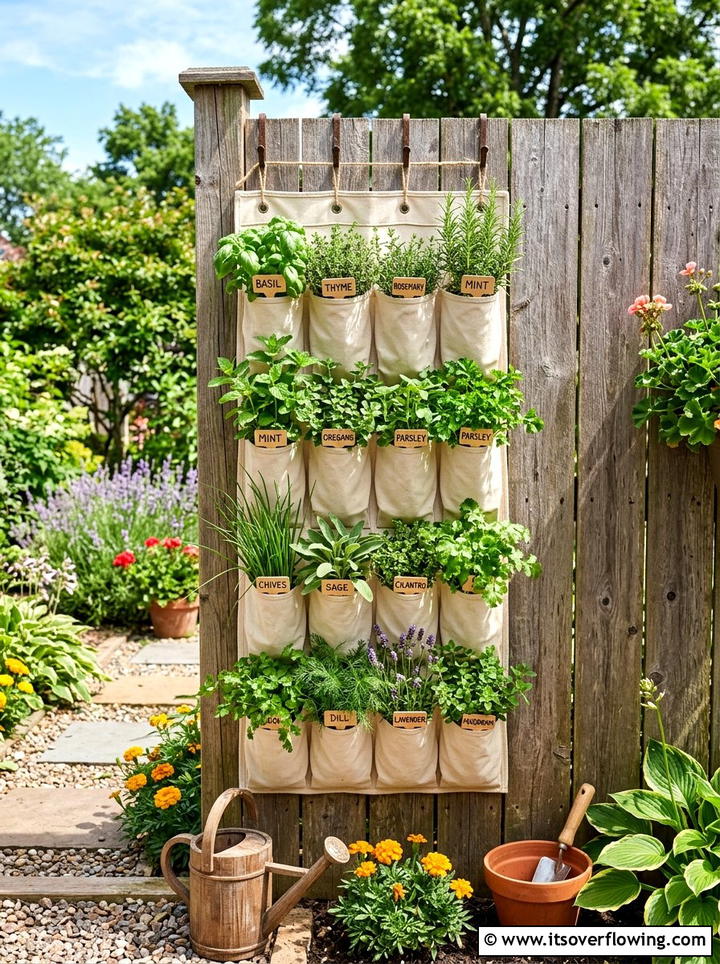
A fabric or plastic hanging shoe organizer is a surprisingly effective and space-saving tool for growing a vertical herb garden on a community fence. Each pocket provides an individual home for a different plant, making it easy to grow a wide variety of kitchen staples in a very small footprint. This method is particularly beneficial for elderly gardeners or children because the plants are held at eye level, reducing the need for bending or kneeling. Water easily permeates through the fabric, while plastic versions can be modified with small drainage holes to prevent root rot. This recycled vertical garden is a great way to use vertical surfaces that would otherwise remain empty and unproductive.
12. Cable Spool Garden Table
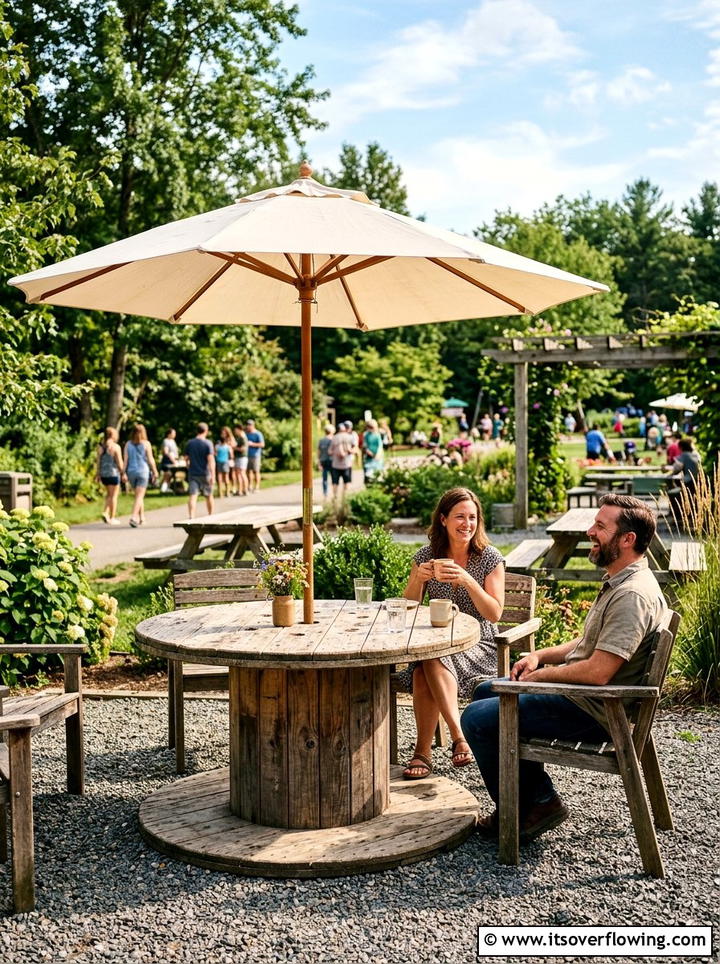
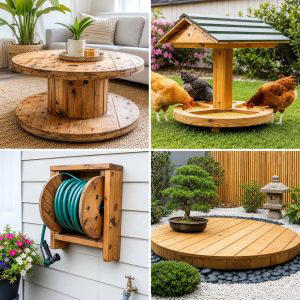
Large wooden cable spools, often found at construction sites or utility companies, can be easily converted into rugged and charming outdoor tables for community gatherings. After a thorough sanding and a coat of weather-resistant varnish, these spools provide a large, flat surface for picnics, seed swapping, or community meetings. Their circular shape naturally encourages conversation and social interaction among garden visitors, creating a warm and inclusive environment for everyone. Some communities even choose to cut a hole in the center to accommodate a large sun umbrella, providing much-needed shade during hot summer days. This sturdy furniture piece is built to last and can withstand the rigors of frequent outdoor use by the public.
13. Glass Bottle Garden Border
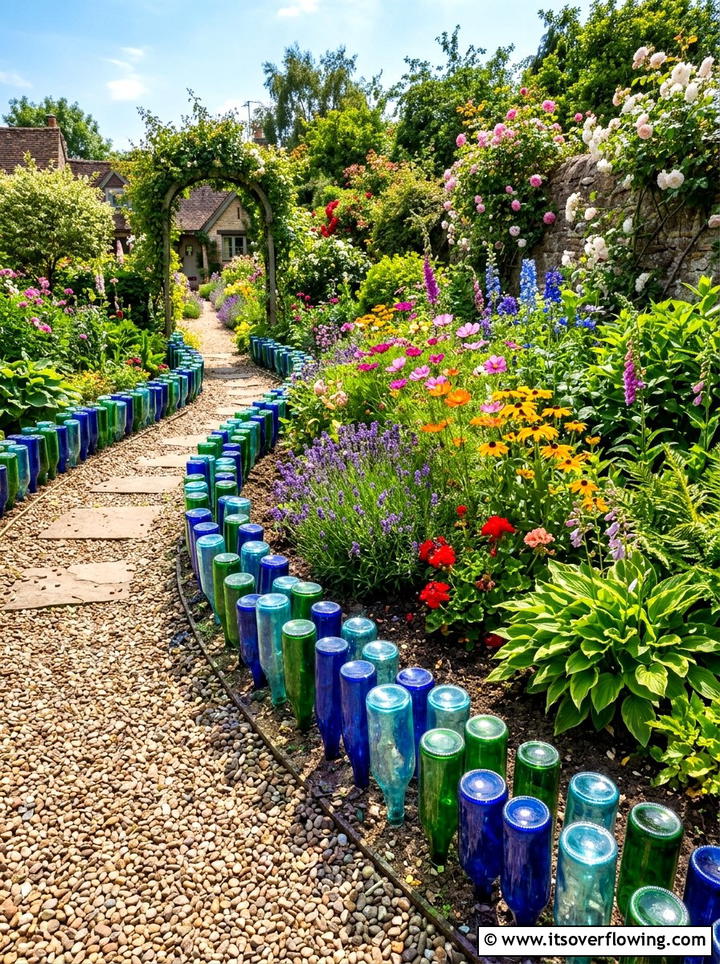
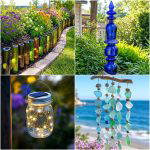
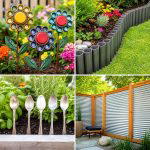
Colorful glass bottles can be buried neck-first into the soil to create a unique and shimmering border for flower beds and pathways. When the sunlight hits the glass, it creates a beautiful play of light and color that adds a magical quality to the community garden. This recycling technique is an excellent way to use household glass waste while providing a clear physical boundary that prevents soil erosion and keeps mulch in place. Mixing different heights and colors of bottles, such as green, blue, and amber, results in a mosaic-like effect that is both artistic and functional. It is a creative landscaping solution that requires very little investment but offers a high visual impact.
14. Metal Bucket Hanging Basket
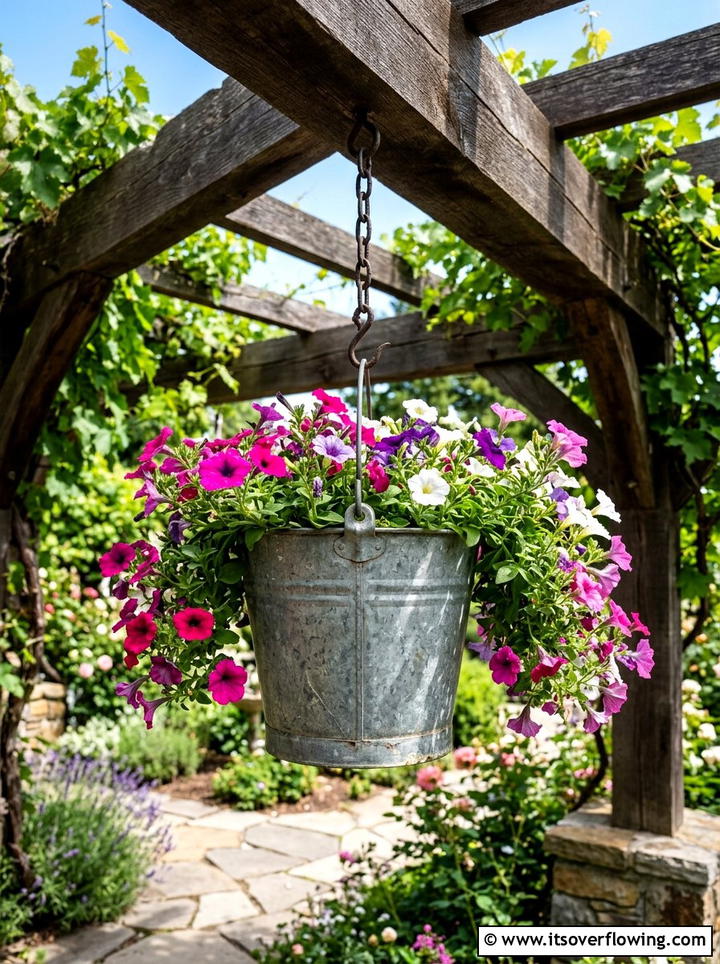
Recycled metal buckets, whether vintage galvanized steel or colorful painted pails, make fantastic hanging baskets for community garden structures like pergolas or arches. By drilling drainage holes in the bottom and attaching sturdy chains, these containers can hold a significant amount of soil for large, thirsty plants like geraniums or ferns. The industrial look of the metal provides a cool contrast to the soft textures of the plants, adding modern style to the outdoor space. Hanging these buckets at different heights creates visual interest and makes use of the vertical space within the garden. This approach is perfect for adding splashes of color to areas where ground-level planting space is limited or unavailable.
15. PVC Pipe Strawberry Tower
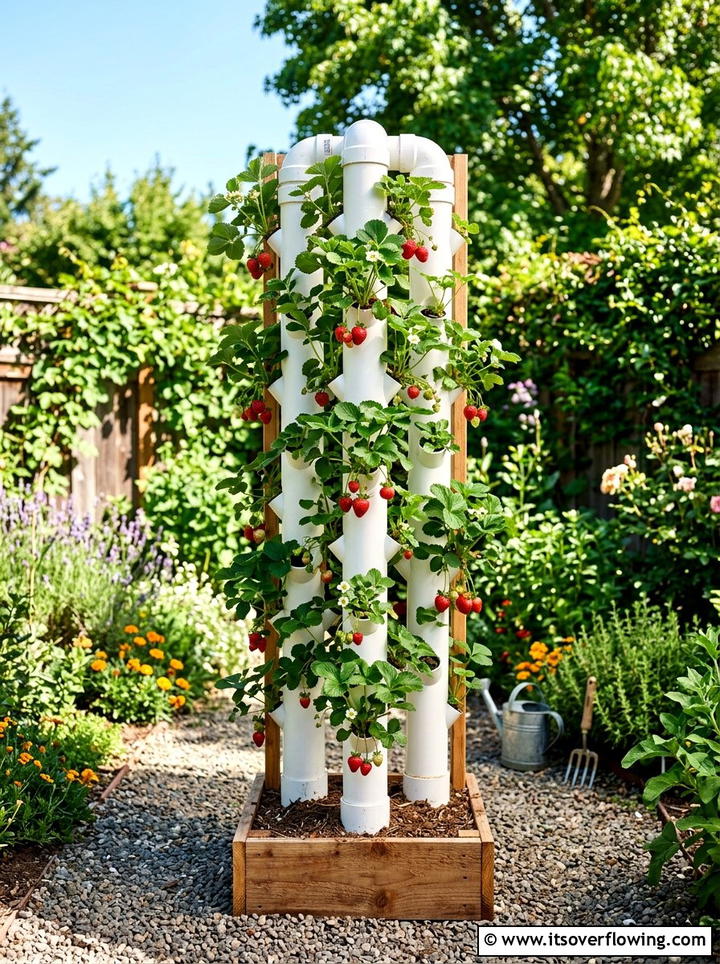
Vertical towers made from recycled PVC pipes are a highly efficient way to grow a massive harvest of strawberries in a very small community garden footprint. By cutting holes along the length of the pipe and filling it with a nutrient-rich growing medium, you create multiple planting levels for the fruit. This vertical design keeps the strawberries off the ground, which helps prevent pest damage and rot while making harvesting much easier for everyone involved. Placing the tower in a sunny corner ensures that all the plants receive adequate light for ripening the fruit to perfection. It is an ingenious example of how industrial materials can be repurposed to solve common gardening challenges.
16. Old Dresser Succulent Display
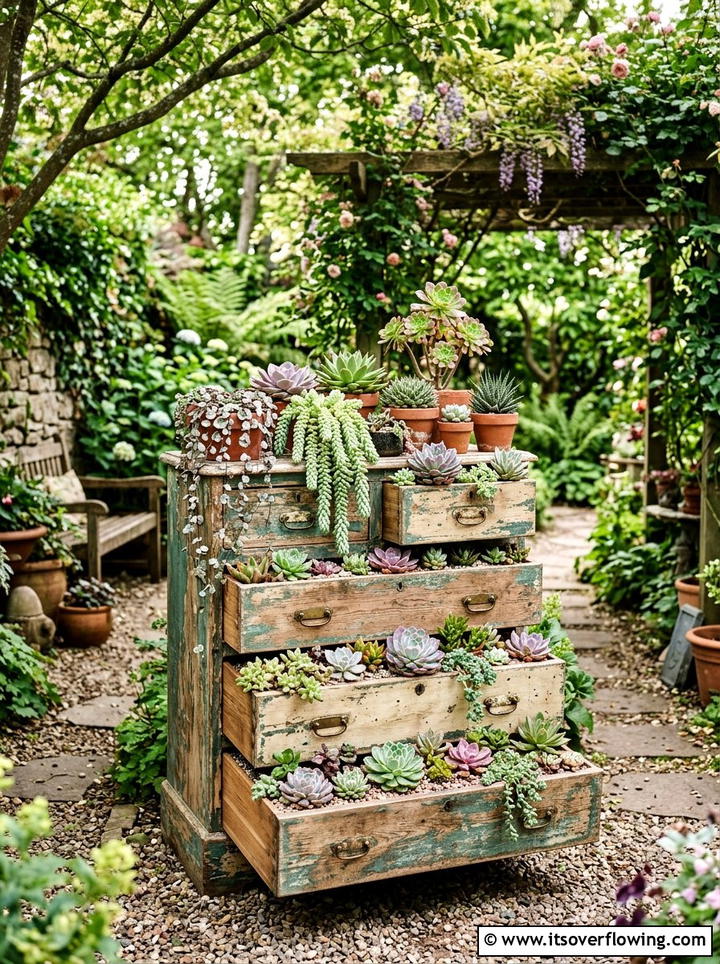
A discarded wooden dresser can be transformed into a stunning, multi-tiered succulent display that acts as a focal point in a community garden or terrace. By pulling the drawers out at varying lengths and securing them in place, you create a cascading effect that is perfect for showcasing different varieties of hardy succulents. This project allows for a diverse collection of textures and colors to be displayed in a compact and organized manner that is easy to maintain. Filling the drawers with a well-draining soil mix ensures that the succulents thrive in their new home. Using a piece of indoor furniture in an outdoor setting adds an unexpected and whimsical element to the design.
17. Concrete Culvert Planter
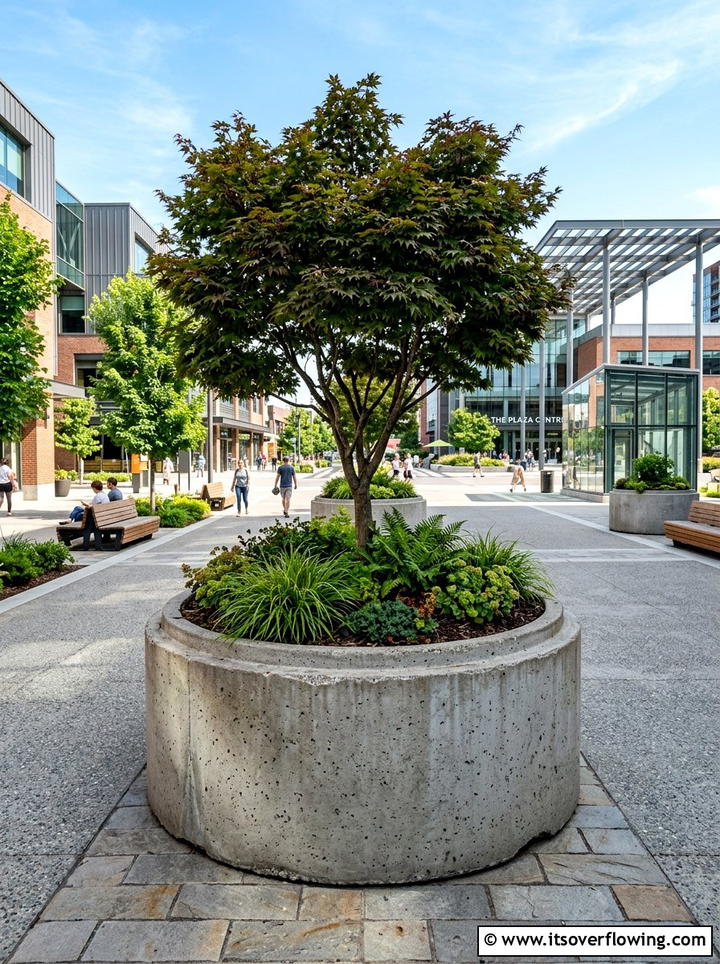
Large concrete culverts or pipes can be repurposed as modern, industrial-style planters that are virtually indestructible in public community spaces. These heavy-duty structures are perfect for planting small ornamental trees or large shrubs that require a significant volume of soil and a stable base. Their neutral gray color and clean lines complement contemporary landscape designs while providing a long-lasting solution for urban greening. Because they are so heavy, they act as permanent fixtures that define the layout of the garden and provide structure throughout the winter months. Planting them with tall grasses or structural evergreens creates a sophisticated look that requires very little maintenance over time for busy community volunteers.
18. Wine Cork Garden Mulch
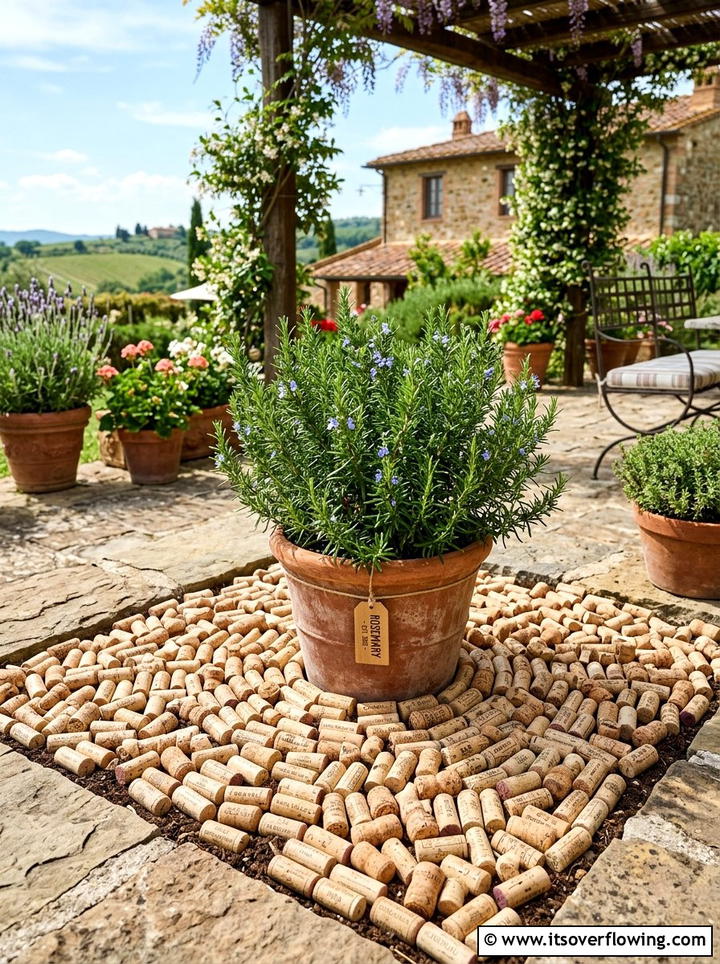
Collecting and using wine corks as a creative mulch for small potted plants or community garden beds is an excellent way to recycle natural materials. The corks provide a unique texture and a neutral color palette that helps retain moisture in the soil and suppress the growth of unwanted weeds. Because cork is a natural product, it will slowly break down over time, adding organic matter back into the earth as it decomposes. This method is particularly popular for indoor community centers or sheltered outdoor areas where the corks won ‘t be easily blown away by strong winds. It is a great conversation starter and a simple way to involve local restaurants in the community garden’ s recycling efforts.
19. Tree Stump Garden Stool
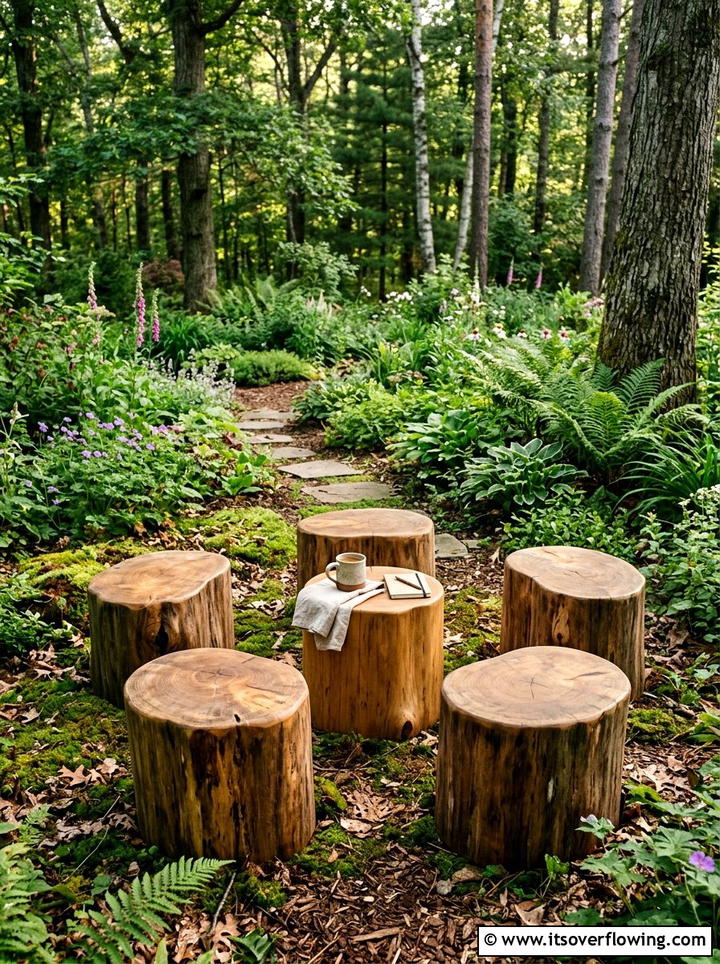
When a tree has to be removed from a community park, the remaining stumps can be salvaged and repurposed as natural, rustic seating for garden visitors. Sanding the top surface until it is smooth and applying a protective sealant prevents splinters and ensures the wood remains comfortable for sitting. These organic stools fit perfectly into a woodland-themed garden or a children’s play area, providing a place for rest and reflection. They can be arranged in a circle to create a storytelling area or scattered throughout the garden as individual resting spots. This approach honors the life of the tree while providing a functional and beautiful resource for the community to enjoy.
20. Painted Rock Plant Label
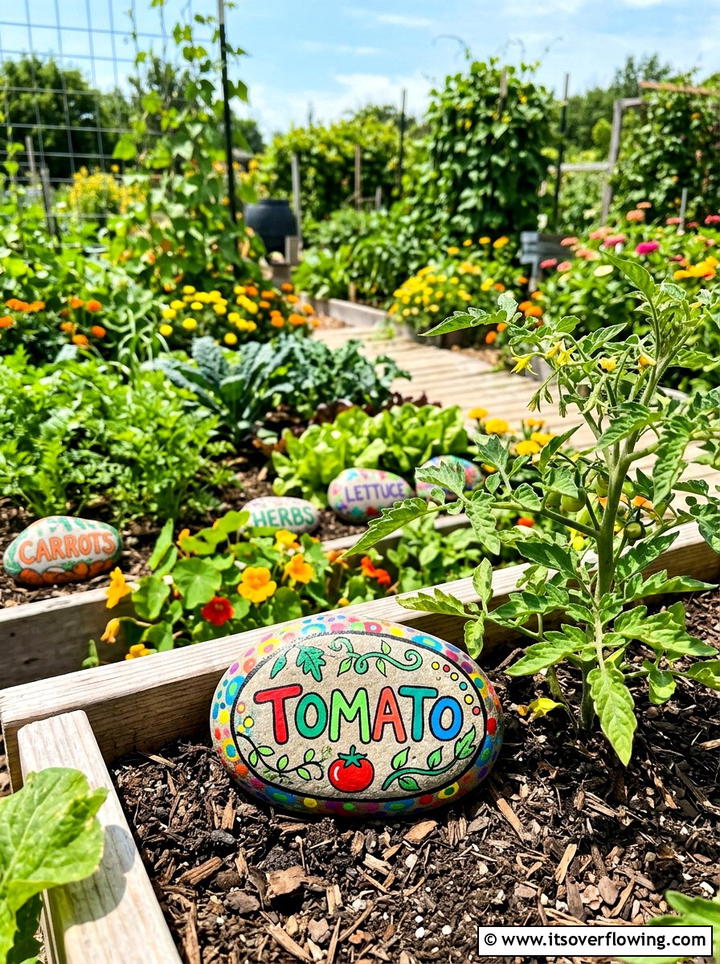
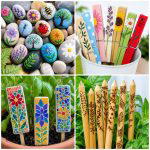
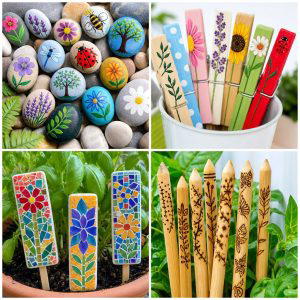
Small rocks and stones collected from the local area can be transformed into beautiful and durable plant labels for a shared community vegetable garden. By painting the name of the plant and a simple illustration on the surface of the rock, you create a charming and weatherproof marker. This activity is a fantastic way to involve children in the garden, as it combines art and nature in an accessible and fun way. These markers help garden visitors identify different crops and learn about the various stages of plant growth throughout the season. Because they are heavy, they won’t blow away in the wind, making them a more permanent solution than plastic or wooden tags.
21. Old Window Greenhouse
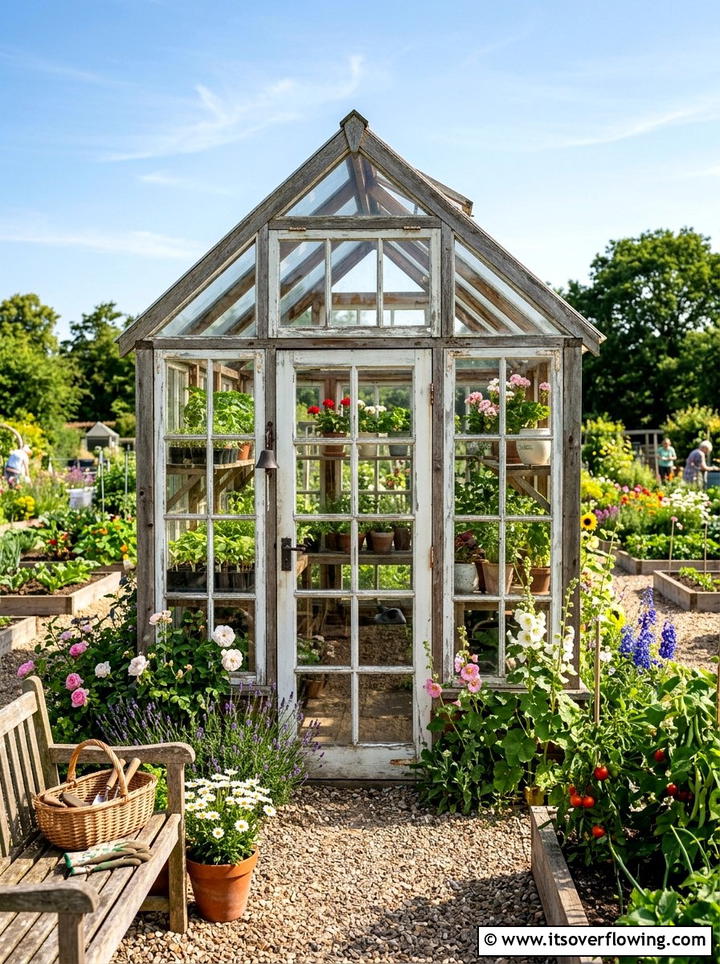
Repurposing old wooden window frames to build a small community greenhouse or cold frame is a brilliant way to extend the growing season for delicate plants. By hinging the windows together over a wooden base, you create a protected environment that traps heat and shields seedlings from harsh winds and late frosts. This structure allows the community to start their vegetable seeds much earlier in the spring, leading to a more productive and successful harvest later in the year. The vintage glass adds a touch of classic elegance to the garden while providing a functional space for plant propagation and education. It is a wonderful project for demonstrating the principles of solar heating and greenhouse effects.
22. Colander Hanging Planter
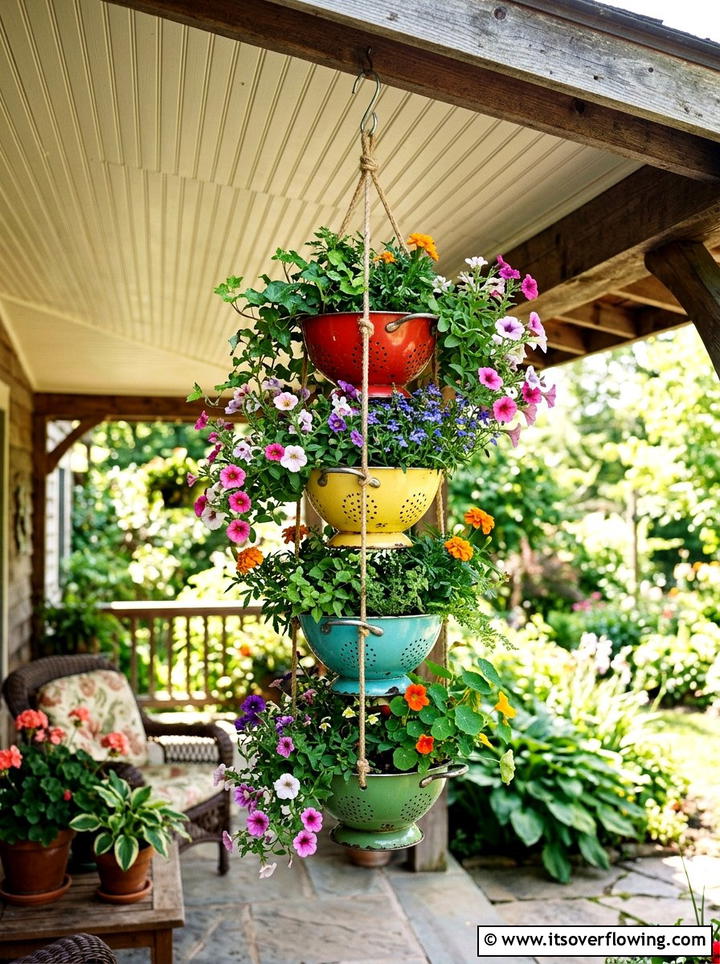
Old metal or plastic colanders make ideal hanging planters because they already come with built-in drainage holes that are essential for plant health. By attaching simple wires or ropes to the handles, you can hang these kitchen tools from tree branches or porch ceilings to create a unique display of flowers. The mesh structure of the colander allows for excellent airflow to the roots, which is particularly beneficial for plants that prefer well-drained soil. Filling them with trailing flowers like nasturtiums or pansies creates a colorful and whimsical look that brightens up any community space. This project is a great example of how everyday household items can find a second life in the garden.
23. Toilet Ceramic Flower Pot
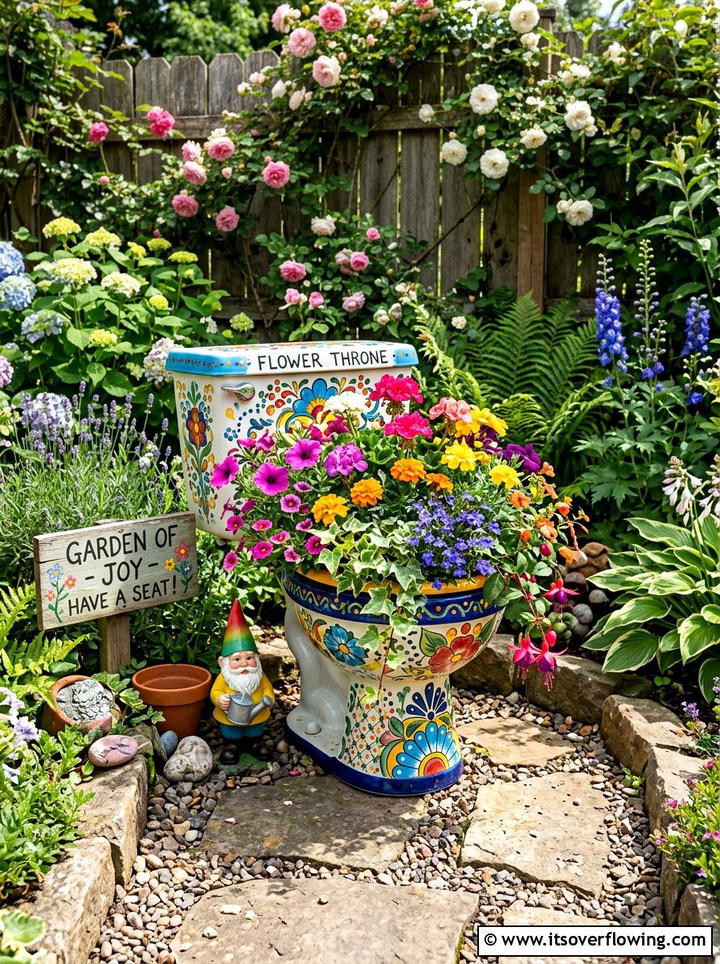
While it might seem unconventional, a recycled ceramic toilet can be used as a quirky and humorous planter that adds a touch of personality to a community garden. Many gardeners choose to paint the ceramic surface with bold patterns or bright colors to turn the fixture into a piece of folk art. The deep bowl and tank provide plenty of room for a wide variety of plants, from tall sunflowers to cascading petunias. This lighthearted approach to recycling encourages people to think outside the box and find beauty in the most unexpected places. It often becomes a favorite photo spot for visitors and serves as a testament to the community’s sense of humor and creativity.
24. Wheelbarrow Flower Display
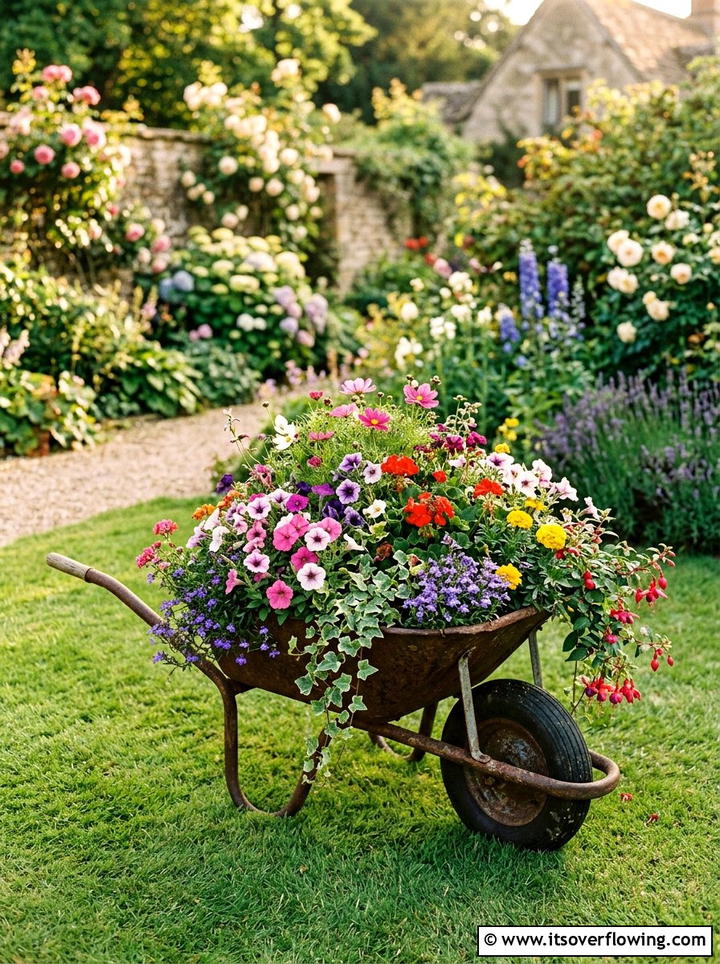
An old, rusted wheelbarrow can be easily converted into a stunning and mobile flower display that can be moved around the community garden as needed. By filling the basin with high-quality soil and a mix of colorful annuals, you create a lush and overflowing garden bed that adds height and interest to the landscape. The portability of the wheelbarrow allows community members to reposition the display to catch the best sunlight or to decorate a specific area for a special event. It is a classic garden element that evokes a sense of hard work and bounty, making it a perfect addition to any shared gardening project. The weathered metal adds a rustic and authentic feel.
25. Piano Garden Water Feature
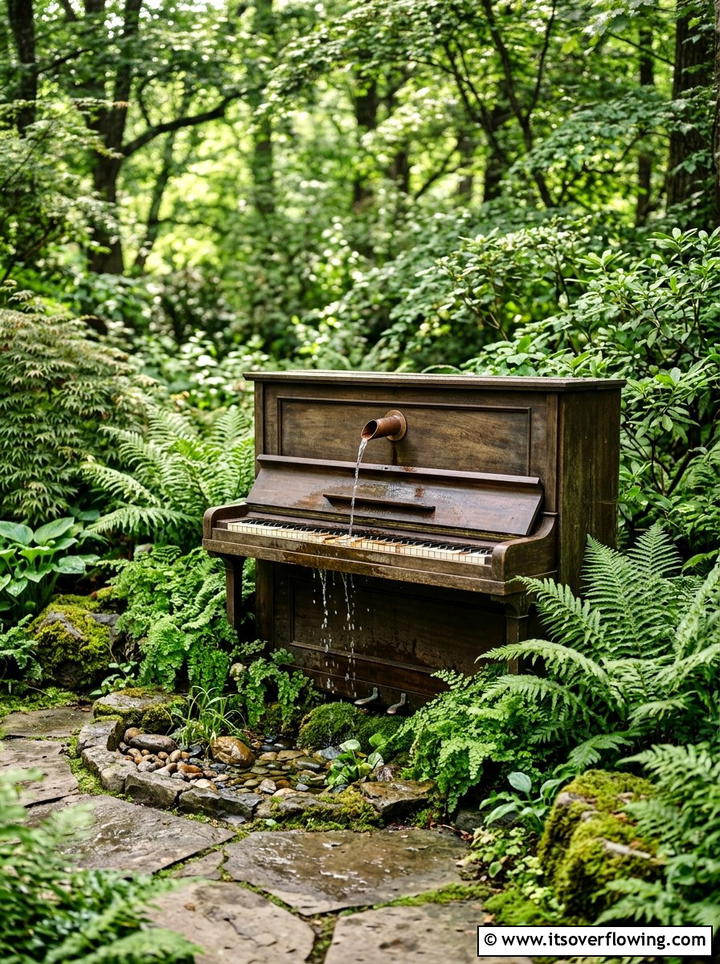
Transforming an old, non-functional upright piano into a garden water feature or a massive planter is a spectacular way to create a high-impact focal point. By removing the internal strings and keys, you can install a small pump and reservoir to create a gentle waterfall that trickles down the front of the instrument. Alternatively, filling the open top with a variety of flowering plants and ferns creates a “living music” display that is truly breathtaking. This project is a beautiful way to honor the craftsmanship of the past while creating a new space for nature to thrive. It serves as a reminder that even the most complex objects can find a peaceful second life in a garden.
Conclusion:
Embracing recycled garden ideas for community spaces is a powerful way to promote environmental stewardship while building a sense of collective pride and ownership. These projects demonstrate that beauty and productivity do not require expensive materials, but rather a bit of imagination and a willingness to work together. By transforming discarded objects into functional garden elements, we teach future generations the value of resourcefulness and the importance of reducing our ecological footprint. Whether it is a simple painted rock or a grand piano planter, every recycled item contributes to a richer, more diverse, and more inclusive community environment. Let these ideas inspire you to look at everyday waste with a fresh perspective and start growing.

Related posts:
 25 Upcycled Garden Ideas for Community Gardens That Inspire
 25 recycled garden ideas with recycled glass art to Love
 25 recycled garden ideas with recycled metal art to Try
 25 recycled garden ideas with recycled plastic projects
 25 recycled garden ideas with recycled wood art to Try
 25 Recycled Garden Ideas for Small Spaces to Maximize
 25 recycled garden ideas with garden markers: Fun DIYs
 25 recycled garden ideas with gutter garden: Space-Saving
 25 recycled garden ideas with pallet wall garden DIYs
 25 Recycled Garden Ideas DIY Projects for Outdoor Charm
 25 Recycled Garden Ideas With Cable Spools for DIY Decor
 25 recycled garden ideas with mosaic pieces for Colorful Decor