
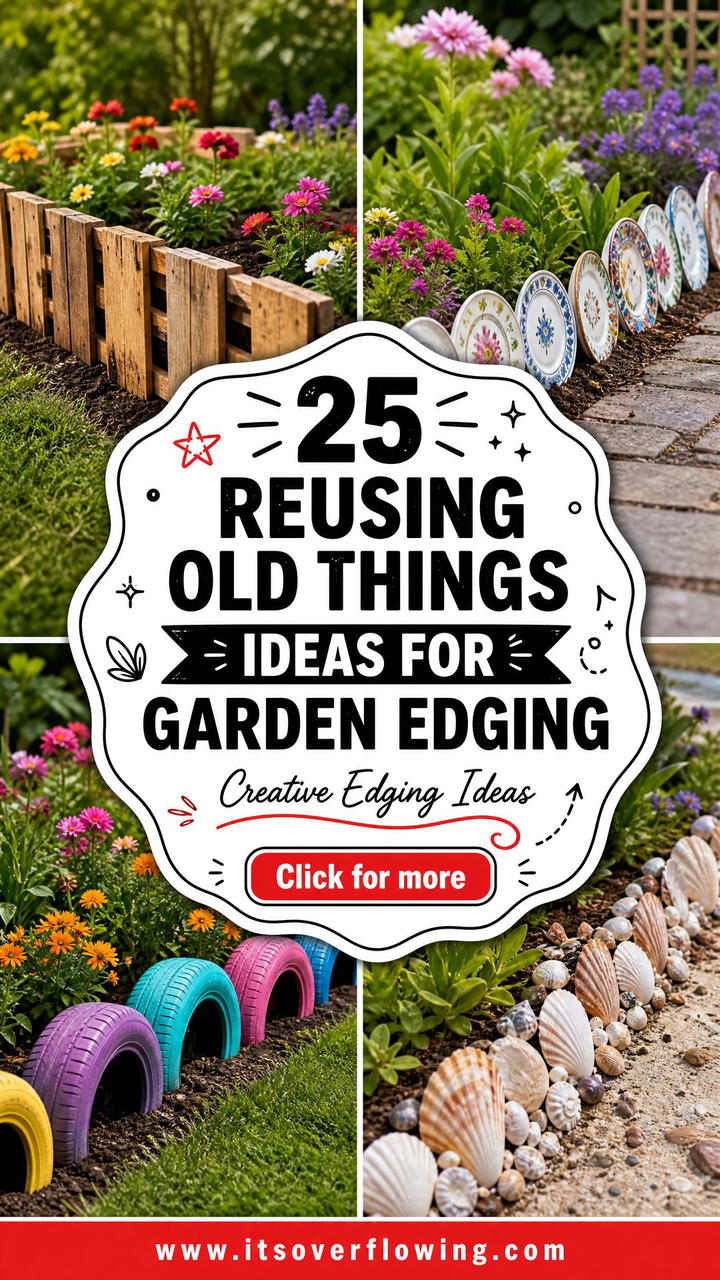
Transforming your outdoor space does not require a massive budget or brand-new materials from the store. You can find incredible potential in items that are often discarded or forgotten in the garage. Reusing old things for garden edging is a sustainable way to define your planting beds while adding a personal touch to your landscape. This approach helps reduce waste and gives your yard a charming, lived-in feel that reflects your unique style. Whether you prefer a rustic look or something more modern, upcycled materials offer endless possibilities for creativity. We will explore clever ways to repurpose everyday objects into functional and beautiful garden borders. Your garden will stand out with these resourceful and eco-friendly solutions.
1. Glass bottle border
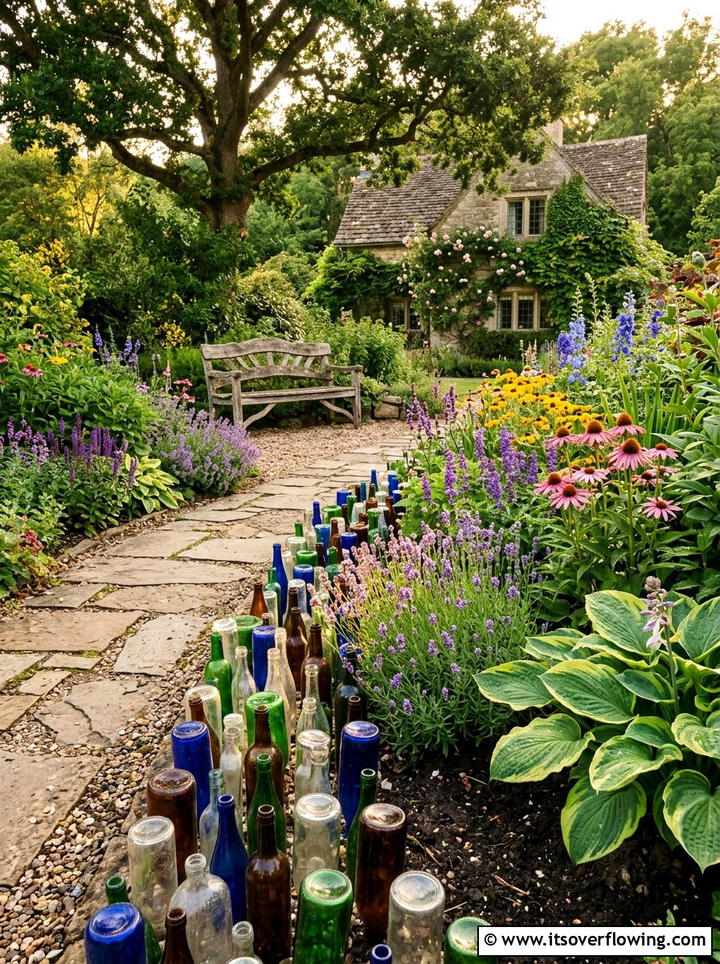
Have you ever looked at empty glass bottles and wondered if they could serve a greater purpose in your yard? Burying glass bottles neck-down into the soil creates a stunning and colorful border for your flower beds. This method is incredibly popular because it catches the sunlight and adds a jewel-toned glow to your landscape. You can organize them by color for a sleek look or mix different shades for a whimsical feel. It is important to dig a shallow trench first to ensure the bottles stay upright and level. This project is a great way to recycle while keeping your garden beds neatly contained and visually interesting for all your visitors.
2. Terracotta pot edging
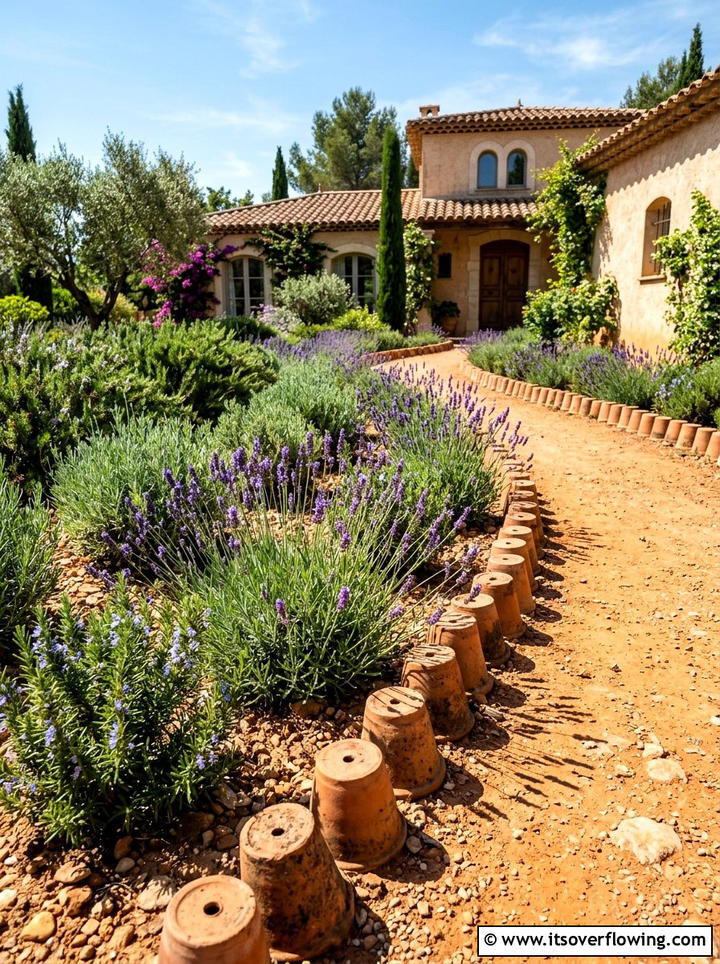
Old terracotta pots that are chipped or slightly cracked often end up in the trash, but they make excellent edging. You can turn these pots upside down and bury them halfway into the ground to create a textured border. If you have various sizes, you can alternate them to create a rhythmic pattern along your garden path. The warm orange hue of the clay looks beautiful against green foliage and bright flowers. This approach provides a sturdy barrier that helps keep mulch from spilling onto your walkways. It also adds a vintage, Mediterranean feel to your outdoor space without spending any extra money on expensive materials.
3. Reclaimed brick garden edge
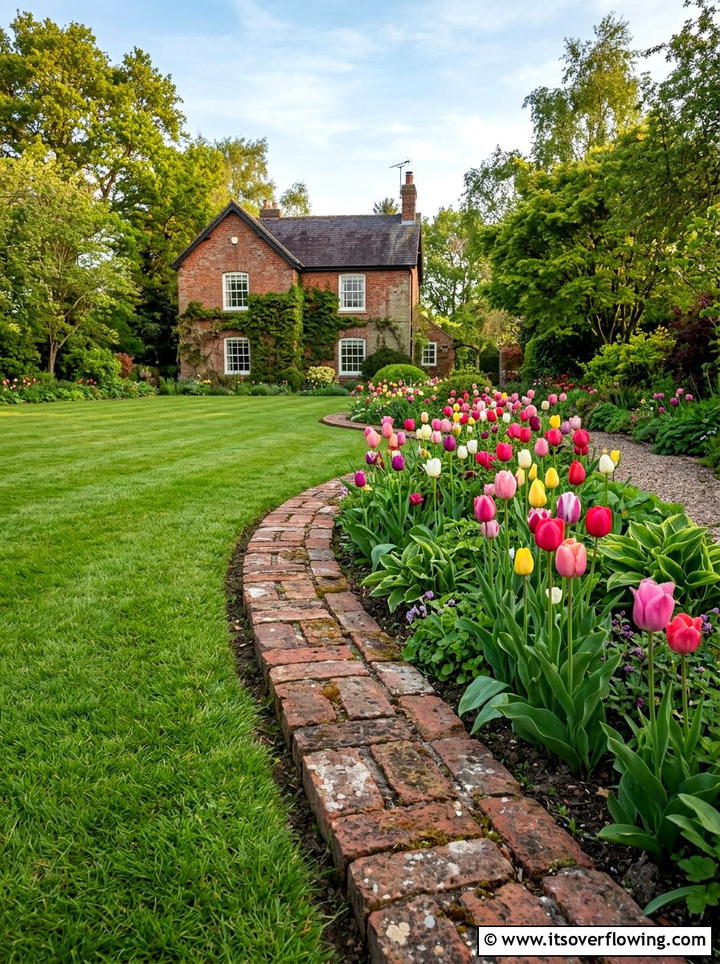
Finding old bricks from a renovation project can provide you with a classic and timeless garden border. You can set the bricks in a straight line or angle them in a zigzag pattern for more visual interest. Bricks are heavy and durable, making them perfect for holding back soil in raised garden beds. Their weathered texture adds character and a sense of history to your landscape design. You do not need mortar for this project, as simply nesting them together in a dug-out trench works perfectly. This sustainable choice ensures that old construction materials are given a new life while keeping your garden pathways looking neat.
4. Tree log border
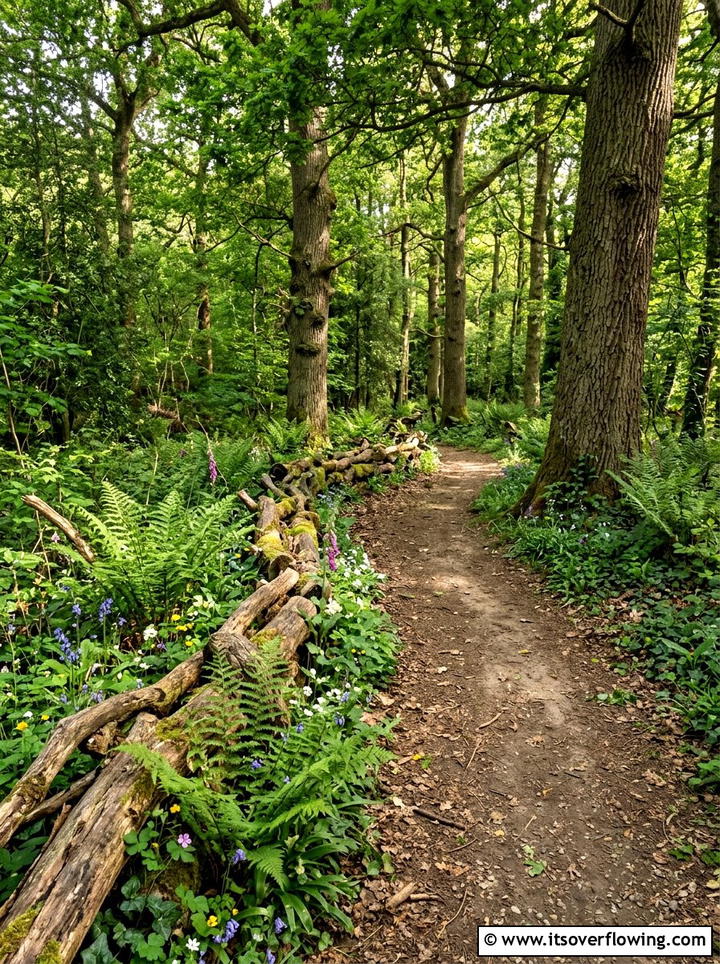
Natural logs can offer a rustic and organic way to define the different areas of your backyard. If you have recently trimmed trees or found fallen branches, you can cut them into uniform lengths for a clean look. Laying logs horizontally along the edge of a wooded garden area creates a seamless transition between the lawn and the plants. The wood will naturally decompose over time, providing nutrients back into the soil, which is great for your plants. It is a very cost-effective solution for large properties where buying plastic edging would be too expensive. This method truly celebrates the beauty of natural, salvaged materials.
5. River rock garden edging
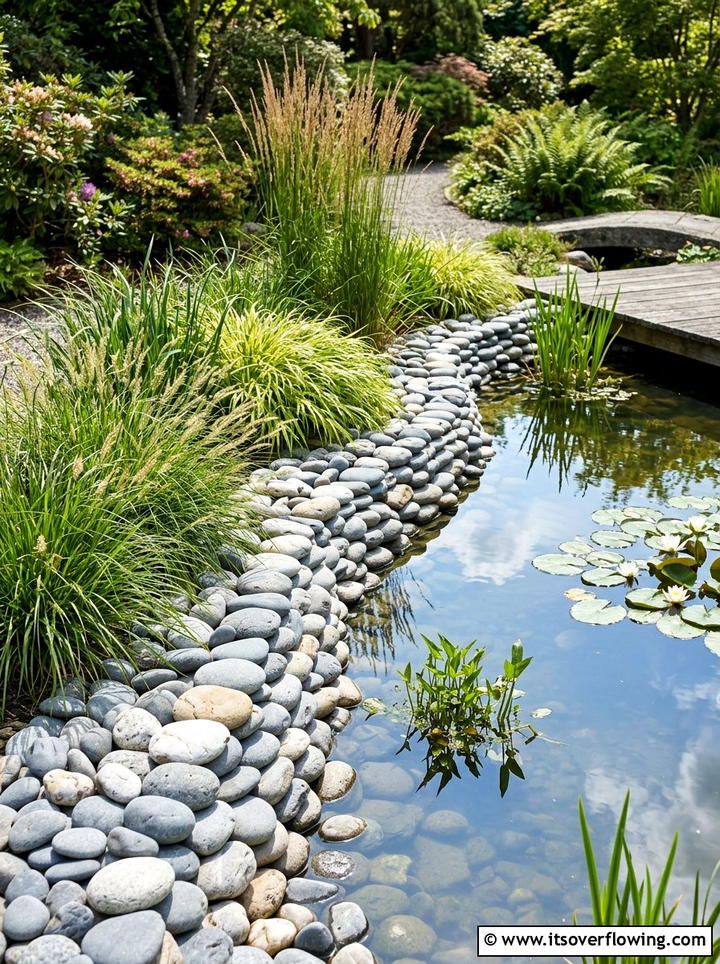
Gathering smooth rocks from your property or nearby areas is a simple way to create a natural-looking border. River rocks come in various shapes and soft colors, which helps them blend perfectly with any garden style. You can stack them a few layers high to create a small retaining wall or lay them flat for a subtle boundary. This type of edging is excellent for drainage and prevents soil erosion during heavy rain. It requires very little maintenance once the rocks are placed in their permanent spots. Using found stones is one of the most environmentally friendly ways to organize your outdoor living space today.
6. Concrete block border
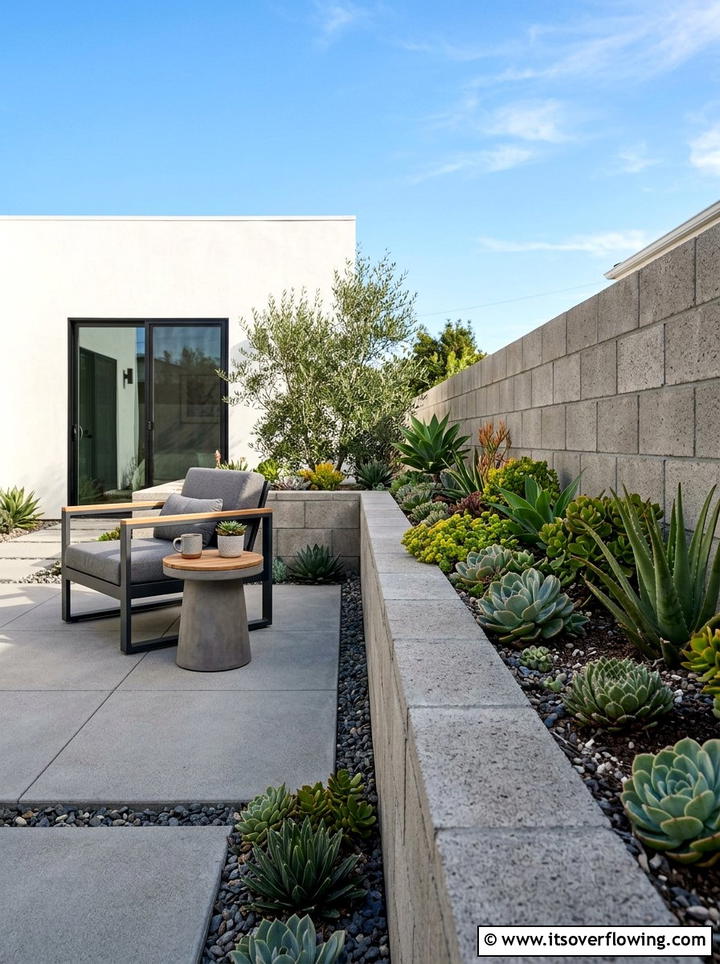
Leftover concrete blocks from a building project can be repurposed into a modern and functional garden edge. These blocks are very heavy, ensuring that your border stays exactly where you put it for many years. One of the best features of concrete blocks is that the hollow centers can be used as mini planters. You can fill the holes with soil and plant small succulents or colorful annuals for an extra layer of greenery. This creates a multi-dimensional look that is both practical and stylish. Painting the blocks a neutral color can also help them match the exterior of your home more closely.
7. Wood pallet garden edge
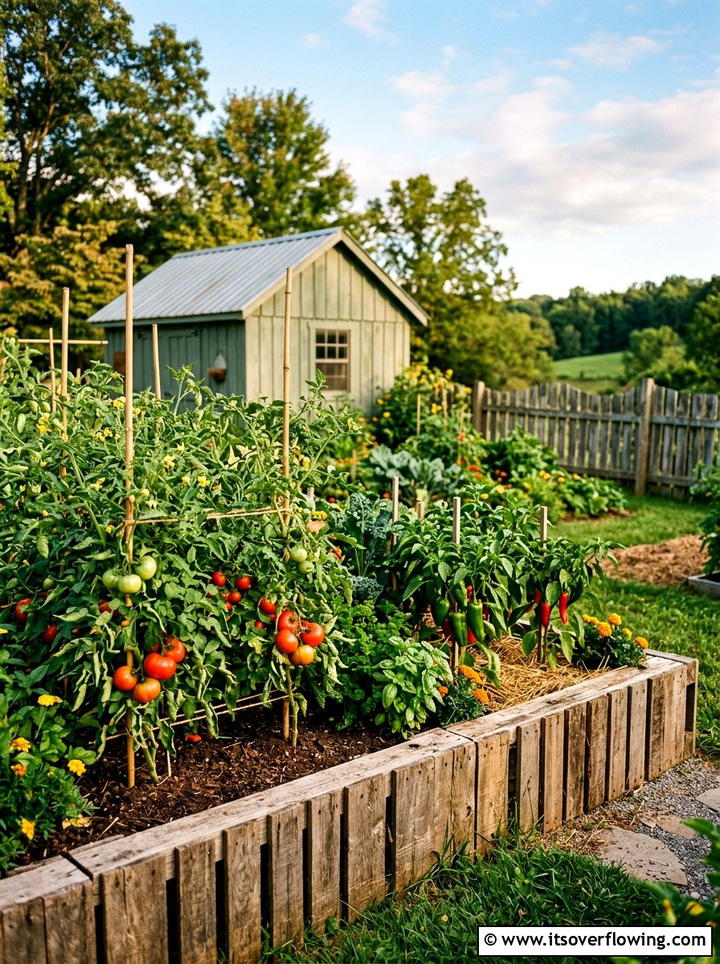
Wooden pallets are widely available for free and can be taken apart to create unique garden borders. You can use the individual slats to create a small picket-style fence around your vegetable garden or flower beds. Sanding the wood and applying a weather-resistant stain will help the boards last much longer in the outdoor elements. This method is perfect for those who enjoy a farmhouse or DIY aesthetic in their landscape. It provides a clear physical barrier that protects your delicate plants from lawnmowers and pets. Repurposing pallets is a fantastic way to keep wood waste out of landfills while improving your yard.
8. Ceramic plate border
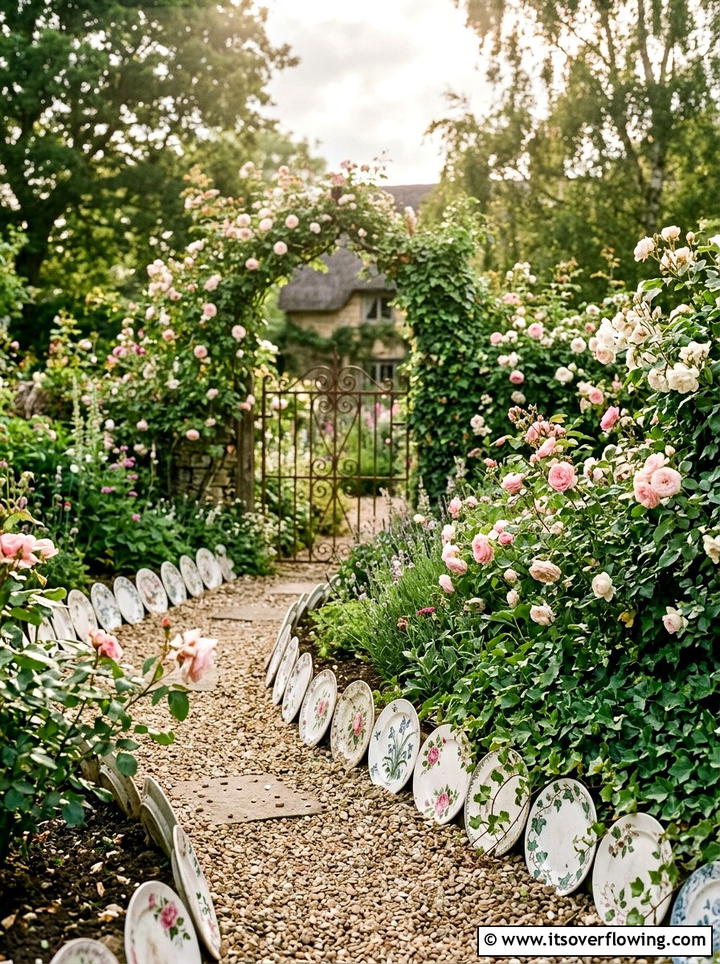
Do you have a collection of old ceramic plates that no longer match your kitchen set? You can partially bury these plates edge-first into the ground to create a charming and unexpected garden boundary. This technique was very popular in Victorian gardens and adds a touch of nostalgic elegance to any flower bed. Mixing different patterns and colors can create a vibrant mosaic effect along your garden path. The smooth surface of the plates contrasts beautifully with the soft textures of plants and mulch. It is a creative way to display family heirlooms or thrift store finds in a brand-new, functional way.
9. Bowling ball garden edge
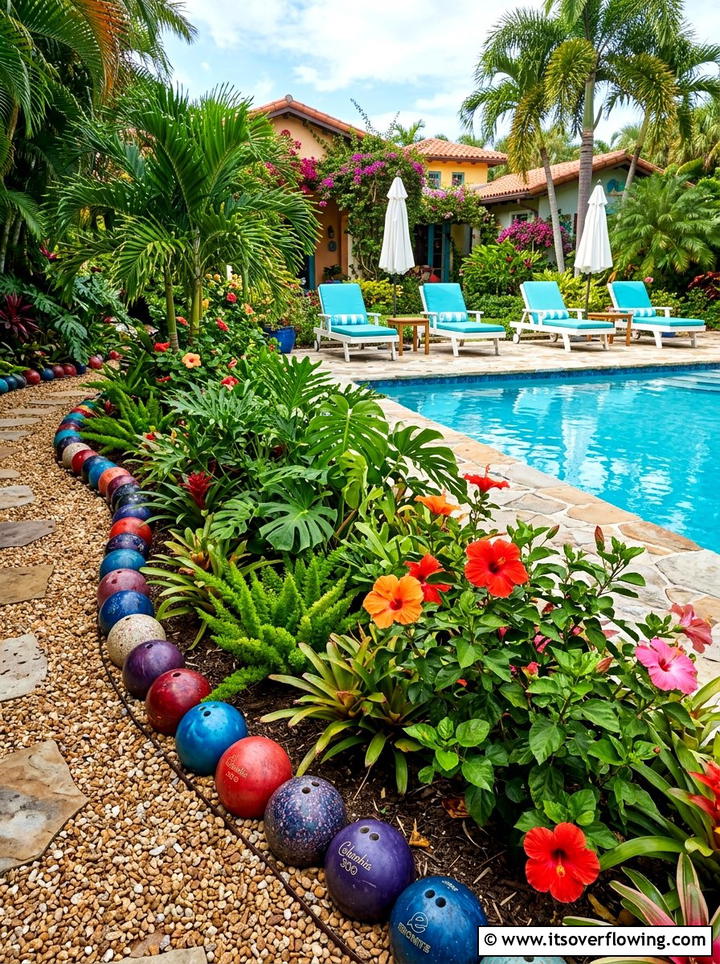
Using old bowling balls as garden edging is a bold and playful choice for a creative homeowner. These heavy spheres are weather-resistant and will not blow away in strong winds, making them very durable. You can find them in many colors at yard sales or thrift shops for a very low price. Placing them in a row along a flower bed creates a unique visual line that definitely starts conversations. Some gardeners even paint them to look like giant ladybugs or decorative gazing balls. This is a perfect example of how an item meant for sports can become a whimsical landscape feature.
10. Used tire border
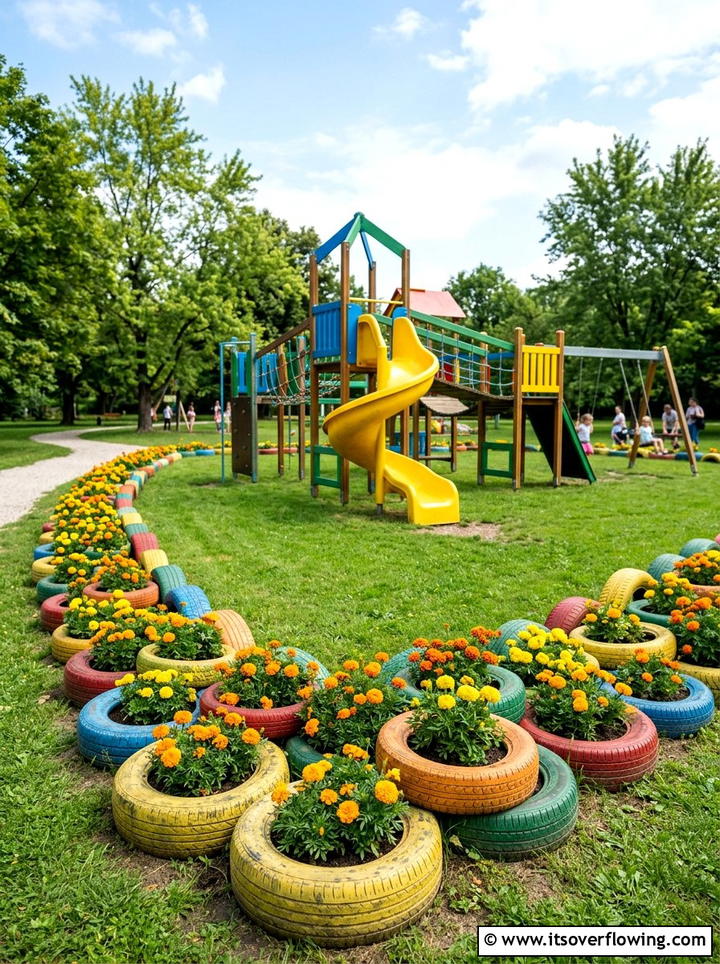
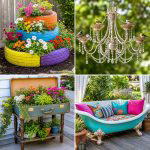
Old tires can be recycled into a sturdy and flexible edging solution for large garden areas or playgrounds. You can cut the tires in half and bury them vertically to create a scalloped edge that looks quite professional. Painting the rubber with outdoor-grade paint can transform the industrial look into something bright and cheerful. Tires are incredibly long-lasting and can withstand extreme temperatures without cracking or fading. They are particularly good for curved garden beds because they can easily follow the natural shape of the land. This keeps old rubber out of the waste stream while providing a practical solution for your landscaping needs.
11. Roof tile garden edging
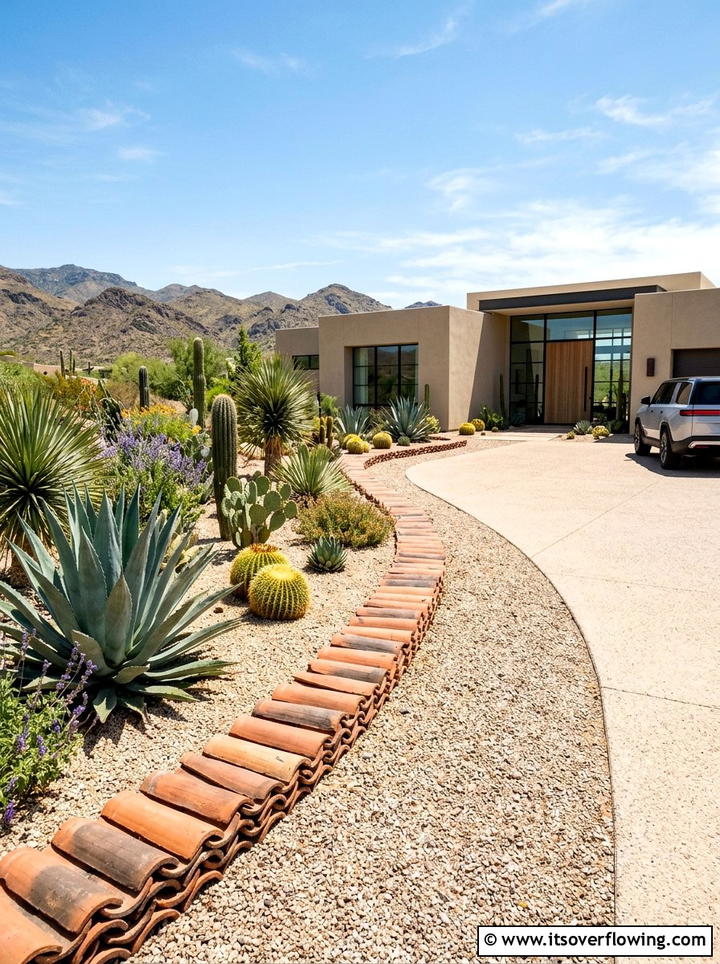
Surplus roof tiles, whether made of clay or slate, provide a sleek and sophisticated border for modern gardens. These tiles are designed to be thin yet durable, making them easy to slide into a narrow trench. Their uniform shape creates a very clean and organized line that looks great along a driveway or sidewalk. Clay tiles offer a warm, earthy tone, while slate provides a dark and dramatic contrast to bright green grass. This type of edging is very effective at preventing grass from creeping into your flower beds. It is a high-end look achieved entirely through the reuse of common construction materials.
12. Wrought iron garden border
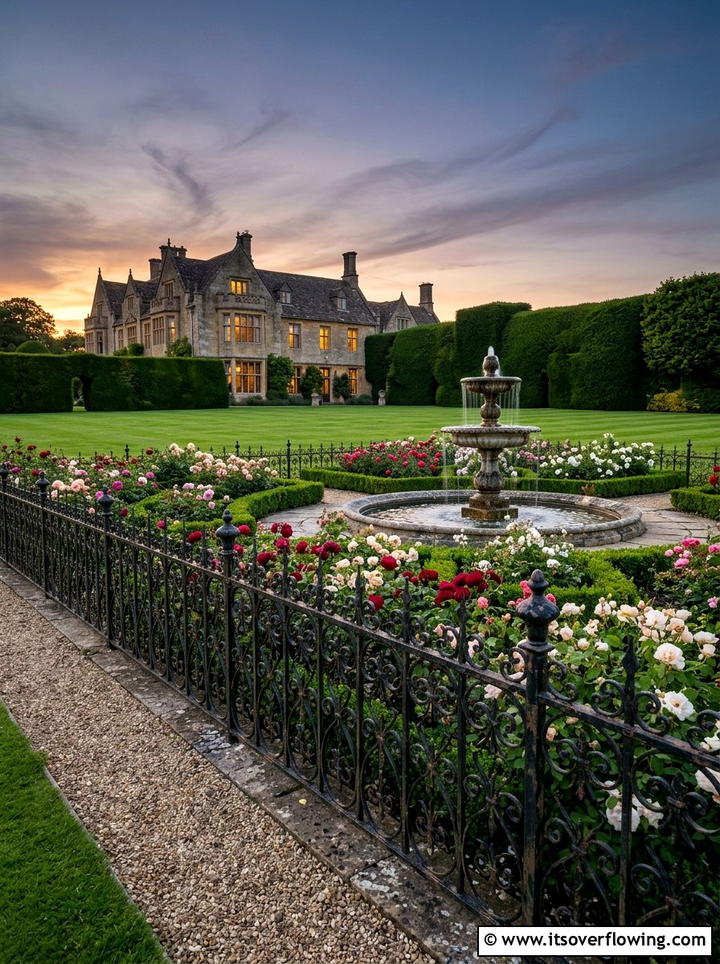
Vintage wrought iron pieces, such as old headboards or fence sections, can be reused to create a decorative garden edge. These metal items add a sense of height and structure to your landscape that many other materials cannot provide. The intricate designs of old ironwork bring a romantic and antique feel to your outdoor space. You can push the legs of these items directly into the soil to secure them in place. Over time, the metal may develop a natural patina that adds to its vintage charm. This is an excellent way to add architectural interest to a simple garden bed or walkway.
13. Tree branch wattle
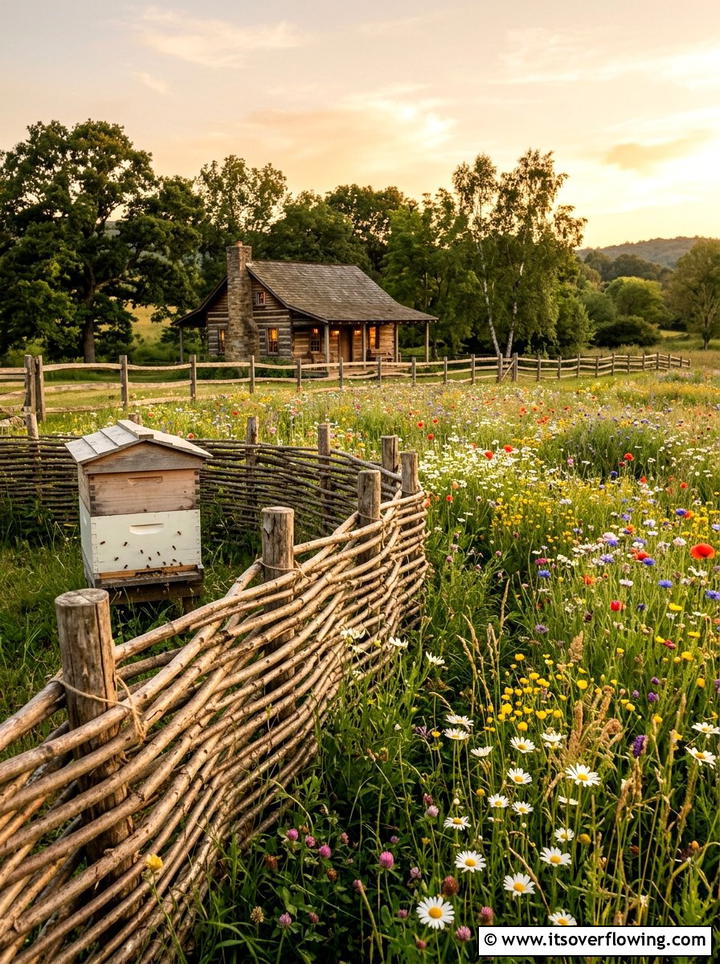
A wattle border is created by weaving thin, flexible tree branches around upright stakes driven into the ground. This traditional method has been used for centuries and provides a very rustic and handmade look. It is an excellent way to use up trimmings from willow, hazel, or other pliable wood found on your property. The woven structure is surprisingly strong and can hold back a good amount of soil and mulch. This technique works perfectly in cottage-style gardens or naturalistic landscapes. It is a fully biodegradable option that looks like it grew right out of the earth in your backyard.
14. PVC pipe garden edge
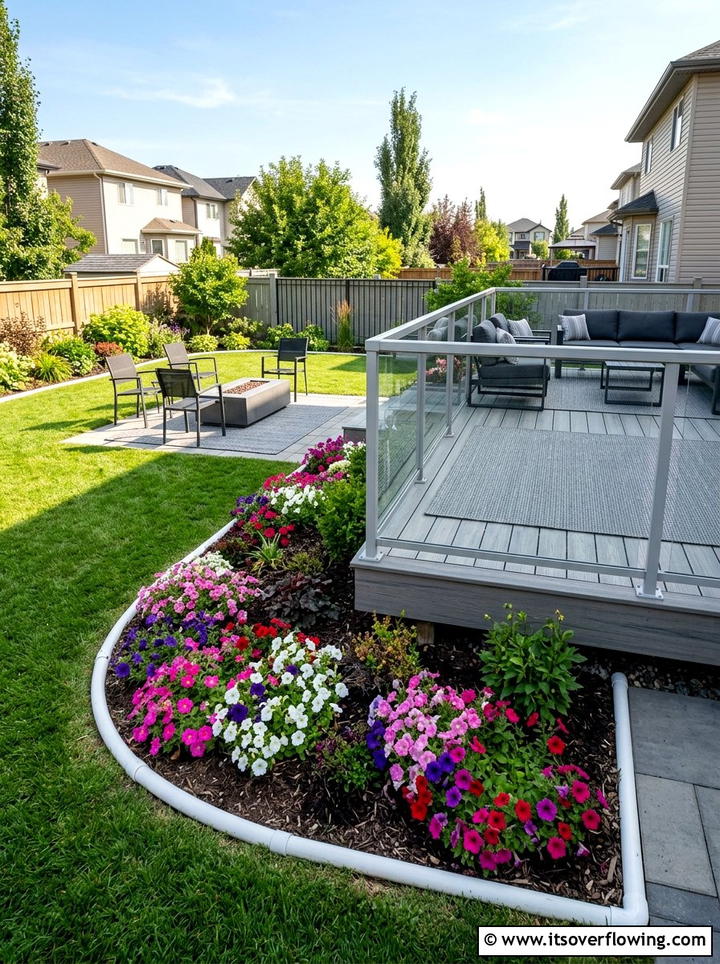
Short lengths of old PVC pipe can be repurposed into a modern and surprisingly effective garden border. You can cut the pipes into equal heights and bury them vertically side-by-side along the edge of your bed. Like concrete blocks, the open tops of the pipes can be filled with soil and small plants. Painting the pipes a metallic or matte color can hide the plastic look and make them appear more expensive. This material is completely waterproof and will never rot, ensuring your border stays intact for a long time. It is a very clever way to use up leftover plumbing supplies.
15. Metal pipe border
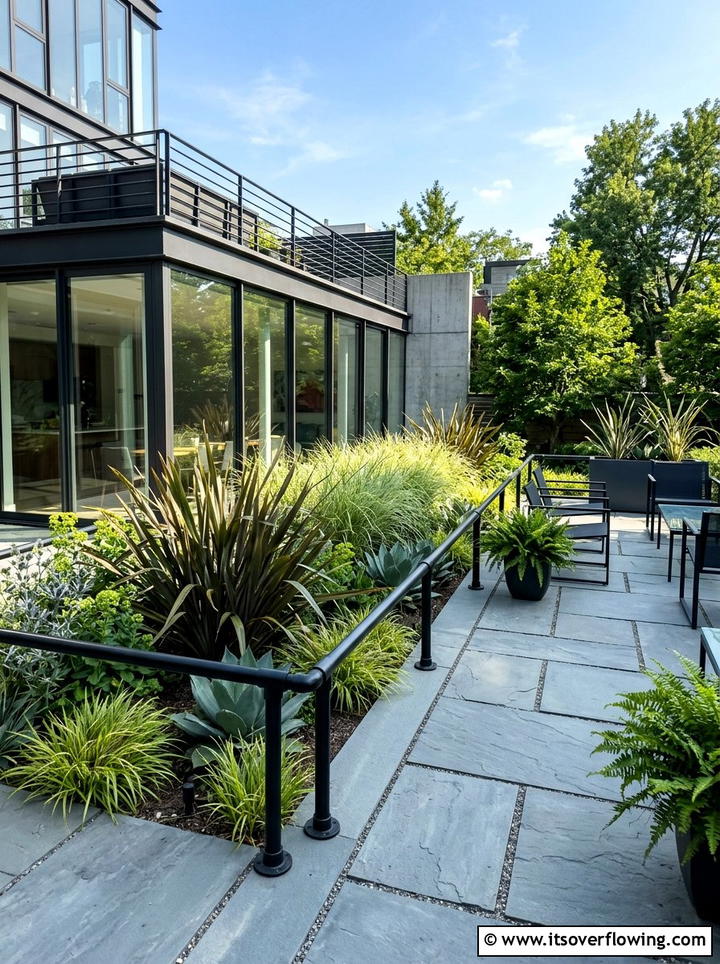
Old copper or galvanized steel pipes can be used to create an industrial and minimalist garden edge. You can lay the pipes horizontally on the ground or stand them up at varying heights for a more dynamic look. Metal pipes provide a very straight and crisp line that is perfect for contemporary landscape designs. Copper will eventually turn a beautiful sea-foam green, while steel maintains a rugged, grey appearance. These materials are very strong and can easily withstand the impact of garden tools or heavy foot traffic. Using metal scraps is a durable way to define your garden without using plastic products.
16. Sea shell garden border
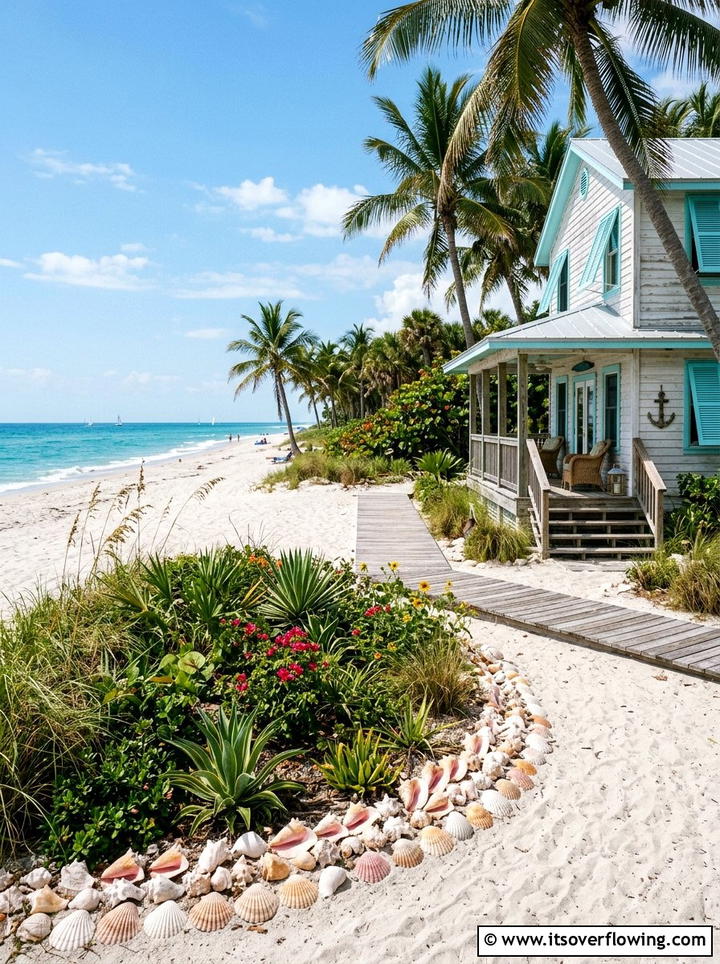
If you live near the coast or have a large collection of shells, they make a beautiful and natural border. Large conch shells or clusters of oyster shells can be placed along the edge of a sandy garden path. This creates a coastal or tropical vibe that feels very relaxing and serene. The light colors of the shells help to brighten up shaded areas of your yard. Shells are also rich in calcium, which can slowly benefit the soil as they break down over many years. This is a wonderful way to bring a piece of the beach into your own home landscape design.
17. Cinder block edge
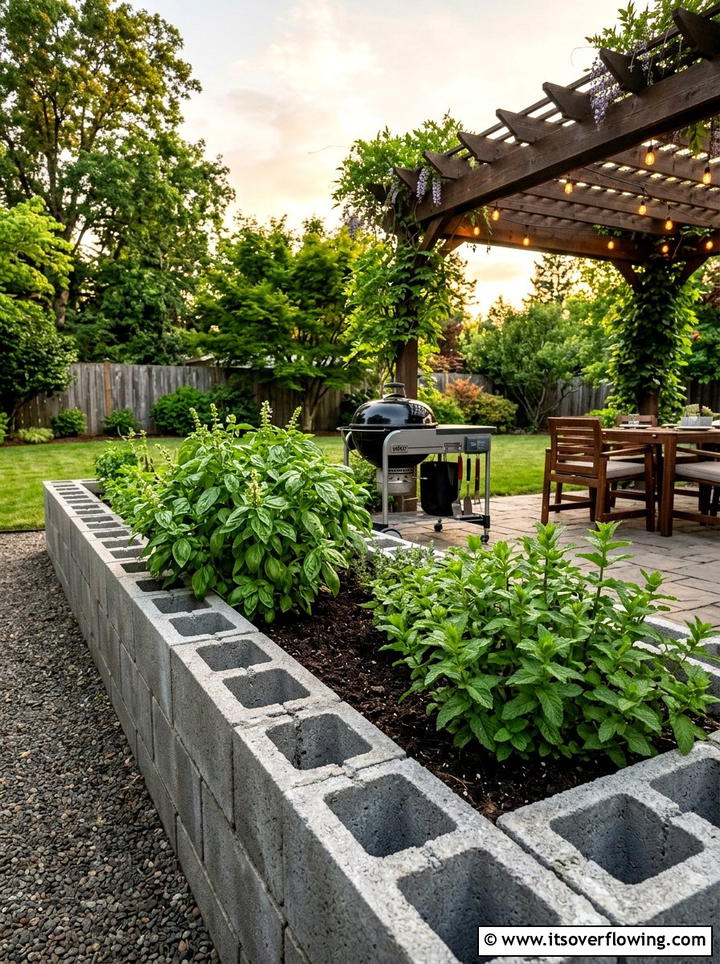
Standard cinder blocks are a versatile and affordable option for creating a raised or flat garden border. You can lay them on their sides to show the decorative holes or place them flat for a wider walkway edge. Their grey color provides a neutral backdrop that makes the colors of your flowers really pop. Cinder blocks are very easy to stack, allowing you to create different levels of height in your garden. They are heavy enough to stay in place without the need for adhesive or mortar. This makes them a great choice for a quick weekend project that yields professional-looking results.
18. Garden tool border
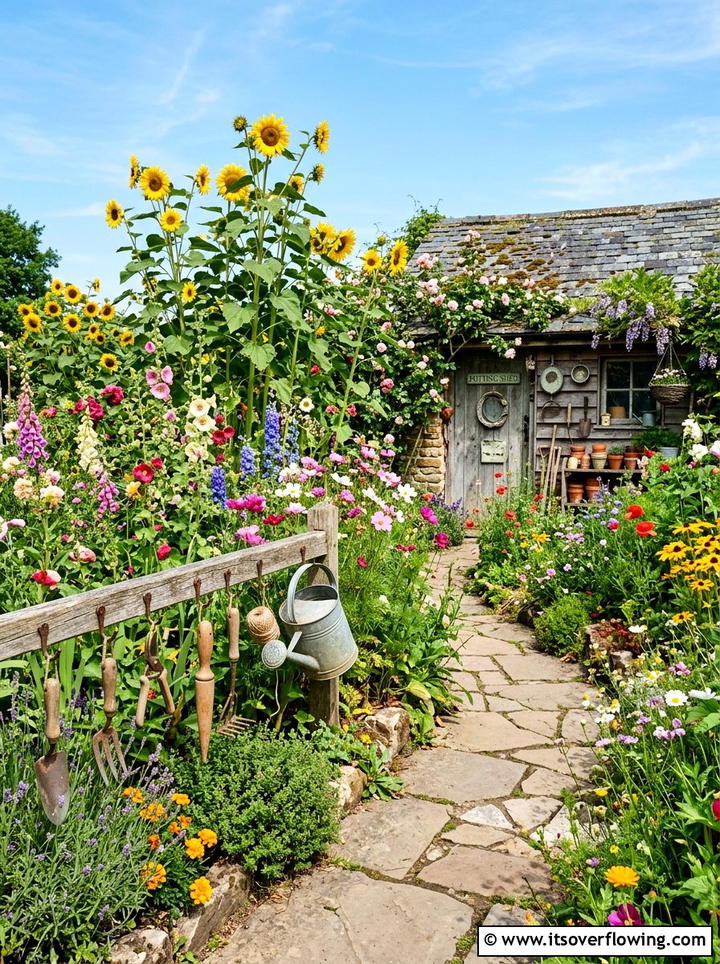
Old shovels, rakes, and hoes that are no longer functional can find a second life as a whimsical garden border. By burying the metal heads of the tools in the soil, you can create a unique and artistic fence. This approach is perfect for a vegetable garden or a shed area where a “tool” theme makes sense. It celebrates the history of gardening while keeping bulky metal items out of the trash. You can even leave the wooden handles attached to add some height to the border. This creative reuse project is sure to catch the eye of every neighbor who walks by.
19. Wood scrap garden edging
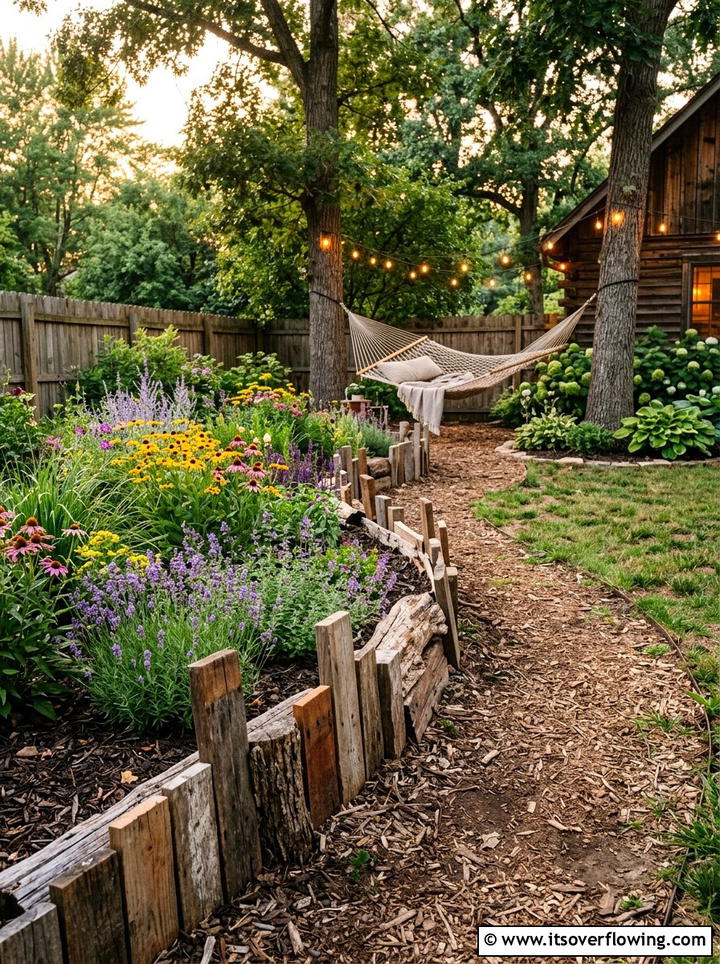
Leftover scraps of lumber from a woodshop or home renovation can be turned into a patchwork-style garden edge. You can use pieces of different lengths and widths to create a textured and layered look along your flower beds. Mixing various types of wood, such as cedar and pine, adds a variety of colors and grain patterns. It is a good idea to treat the wood with a non-toxic sealant to prevent rot from the moist soil. This method is incredibly resourceful and ensures that even the smallest pieces of wood are used effectively. It creates a warm and inviting atmosphere in any outdoor space.
20. Thick rope border
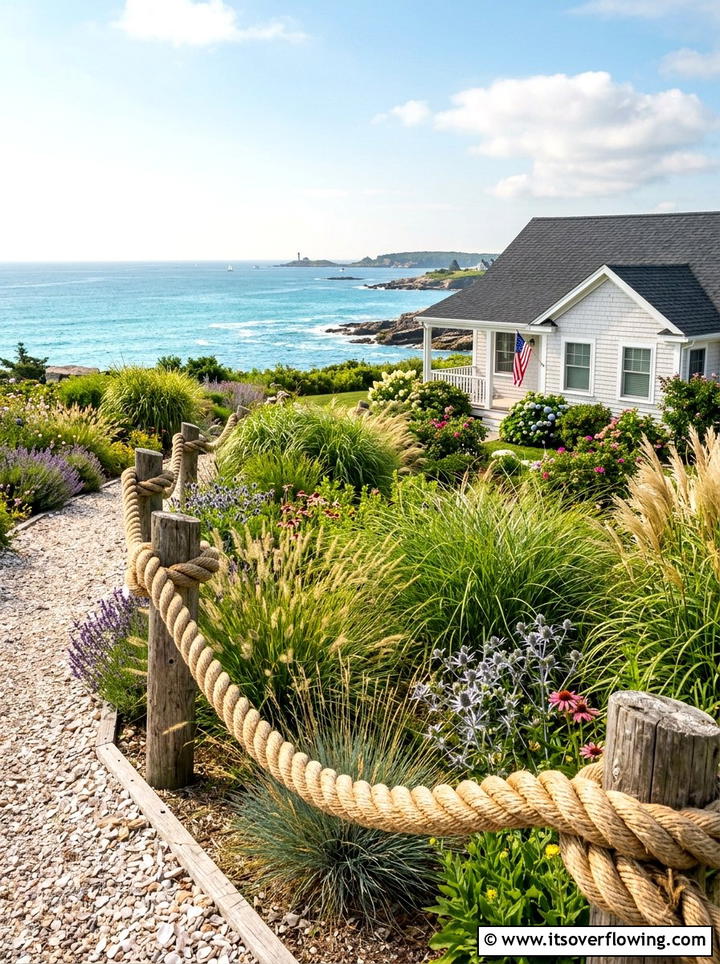
Heavy marine rope or old climbing rope can be used to create a soft and flexible garden boundary. You can wind the rope around low wooden stakes to keep it in place along a curved path. This type of edging is very gentle and works well in gardens where children or pets play frequently. It provides a nautical or rustic feel that is very popular in coastal and farmhouse designs. Rope is easy to install and can be moved quickly if you decide to change your garden layout. Using salvaged rope is a great way to add texture and interest to your landscape.
21. Slate tile garden edge
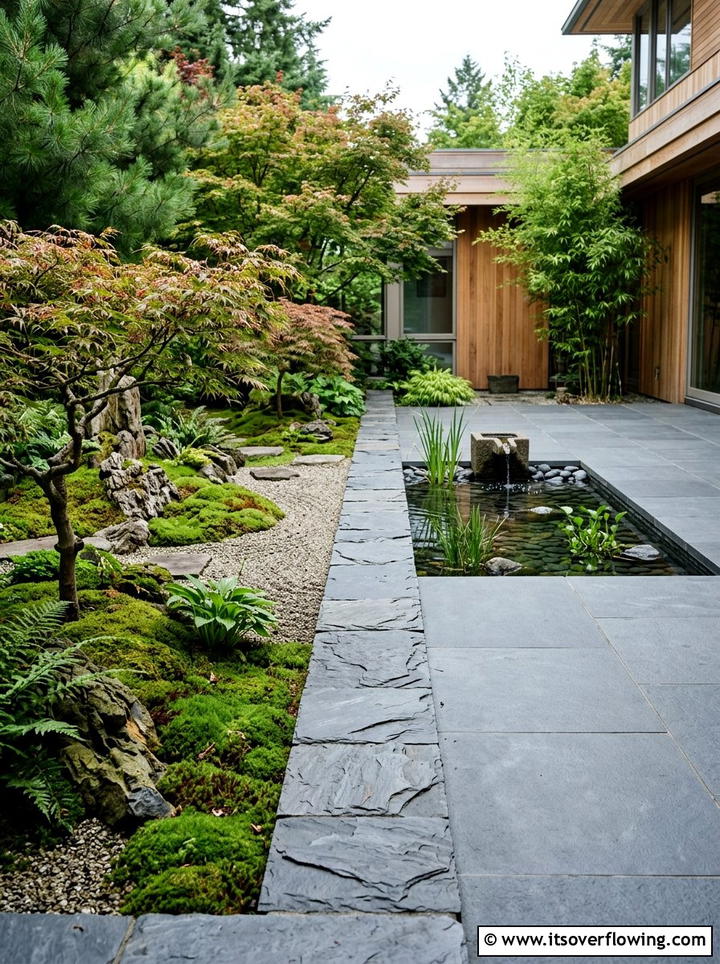
Old slate tiles from a roof or floor renovation can be broken into smaller pieces or used whole for edging. The dark, natural color of slate provides a sophisticated look that complements almost any plant variety. You can push the tiles vertically into the ground to create a very thin and unobtrusive border. This keeps your garden beds looking very sharp and well-defined without taking up much space. Slate is a natural stone, so it is extremely durable and will not fade in the sun. It is a perfect choice for homeowners who want a high-end, modern look using recycled materials.
22. Timber beam border
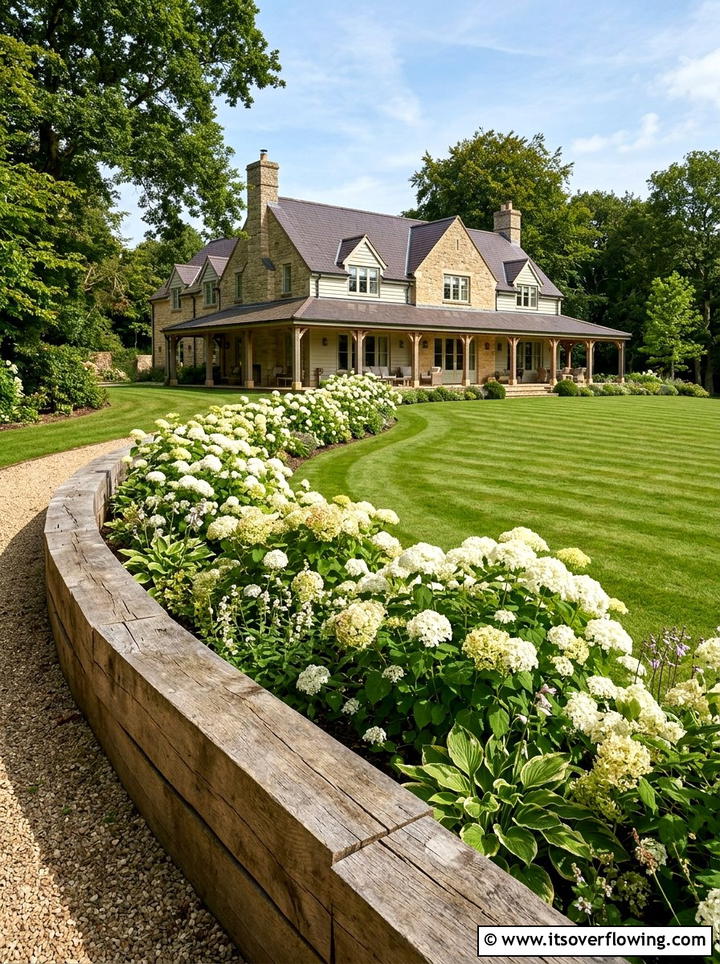
Large timber beams from an old barn or deck project provide a massive and sturdy border for garden beds. These heavy pieces of wood are excellent for creating clear divisions between the lawn and large planting areas. Their scale makes them perfect for bigger properties where smaller edging materials might get lost in the landscape. The weathered look of old timber adds a sense of permanence and strength to your garden design. You can easily drill into the wood to add decorative lighting or small planters. This is a fantastic way to repurpose high-quality wood that would otherwise be very expensive.
23. Terra cotta pipe edge
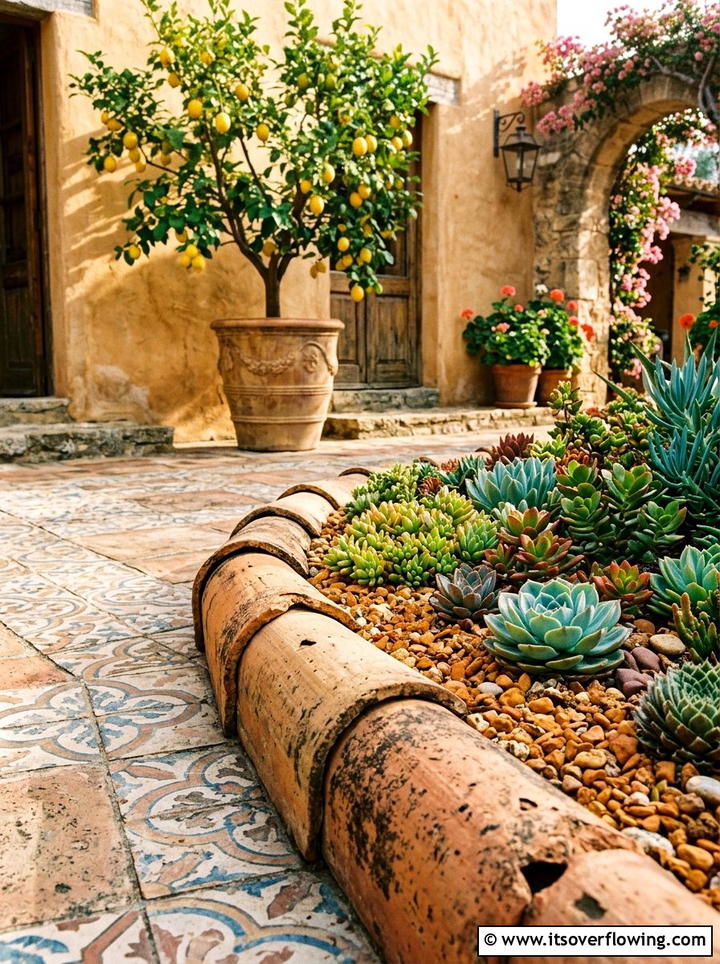
Vintage terra cotta drainage pipes can be cut into sections or used as-is to create a unique circular border. These pipes have a beautiful orange color and a classic architectural shape that stands out in a garden. You can stand them vertically and fill the centers with gravel or small succulents for added detail. The clay material is natural and breathable, which is healthy for the surrounding soil and plant roots. This type of edging is very effective at creating a hard barrier against invasive weeds. It is a creative way to use industrial antiques to enhance the beauty of your outdoor living area.
24. Galvanized bucket border
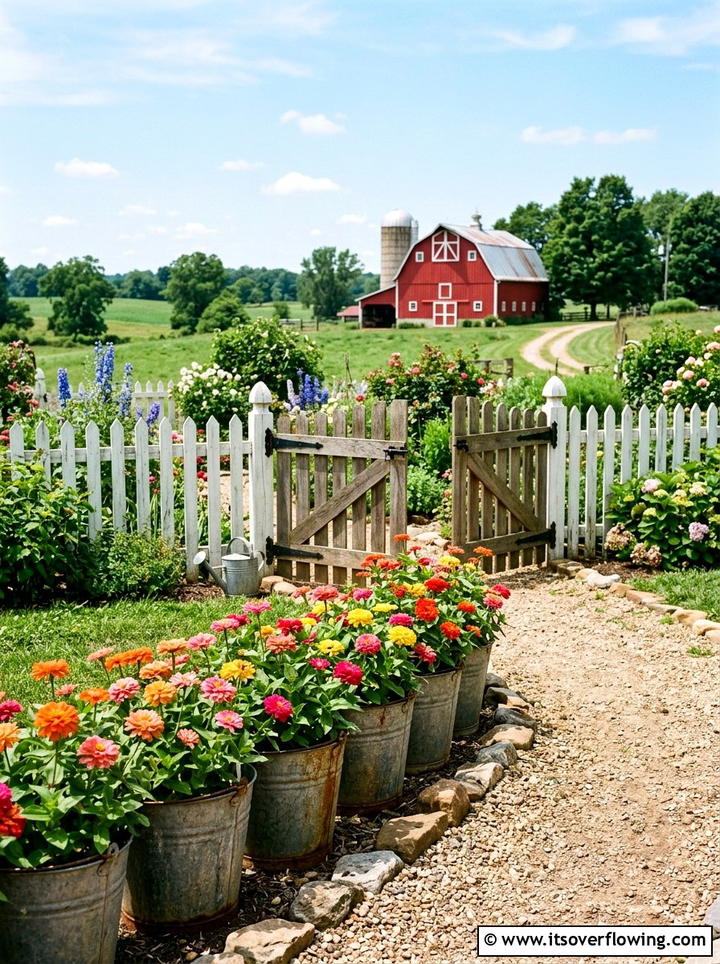
Old metal buckets and pails can be partially buried in a row to create a charming and rustic garden edge. If the buckets have holes in the bottom, they are even better because they will allow water to drain properly. You can leave them empty or fill them with seasonal flowers to create a living border. The shiny or rusted metal provides a great contrast to the soft green leaves of your garden plants. This project is a fun way to use vintage farm items to add personality to your yard. It creates a cozy, country-style atmosphere that feels very welcoming and lived-in.
25. Log slice border
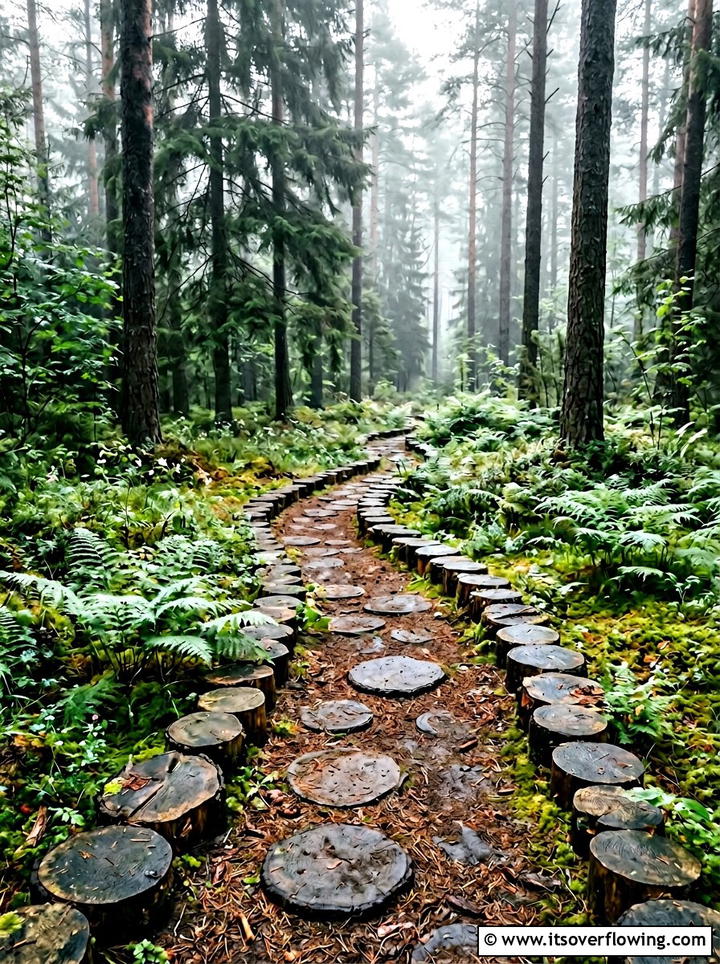
Cross-sections of tree trunks, often called log slices or wood cookies, make a beautiful and rhythmic garden edge. You can lay these flat on the ground or stand them up partially buried to show off the natural rings of the wood. This creates a very organic look that mimics the appearance of a forest floor. Using different diameters of log slices adds variety and visual movement to your garden path. The wood will eventually age and grow moss, which only adds to its natural beauty over time. This is a wonderful way to use every part of a fallen tree in your landscape design.
Conclusion:
Reusing old things for garden edging is one of the most rewarding ways to improve your home landscape. It allows you to express your creativity while being mindful of the environment and your personal budget. By looking at everyday objects with a fresh perspective, you can find beauty and utility in items that others might throw away. These twenty-five ideas show that whether you have glass bottles, old bricks, or scrap wood, there is always a way to upcycle. A well-defined garden border not only looks professional but also helps your plants thrive by keeping their space organized. Start your next project today and enjoy a unique, sustainable garden.

Related posts:
 25 reusing old things ideas for balcony garden: Small-Space DIYs
 25 reusing old things ideas for benches: Budget Garden Seats
 25 reusing old things ideas for boho garden look: DIY Style
 25 reusing old things ideas for container garden: DIY Planters
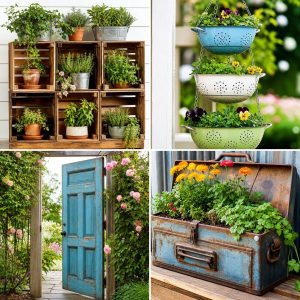 25 reusing old things ideas for farmhouse garden look
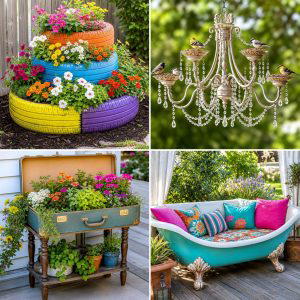 25 reusing old things ideas for garden Charm on a Budget
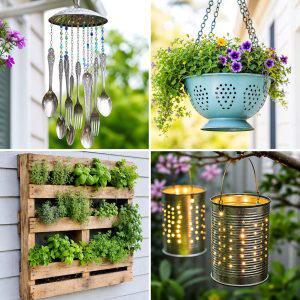 25 Reusing Old Things Ideas for Garden Art That Inspires
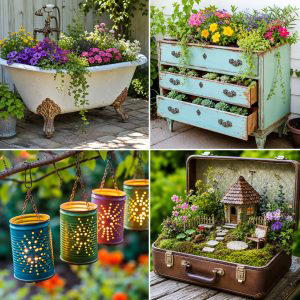 25 reusing old things ideas for garden decor
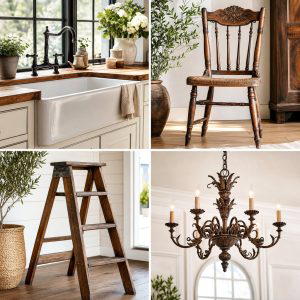 25 reusing old things ideas for garden planters
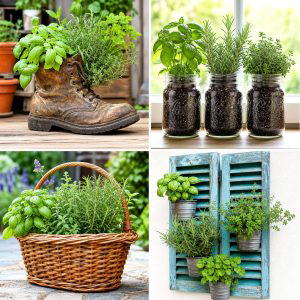 25 reusing old things ideas for herb garden Style
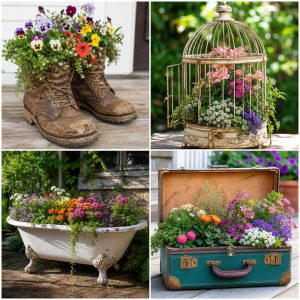 25 Reusing Old Things Ideas for Small Garden Charm
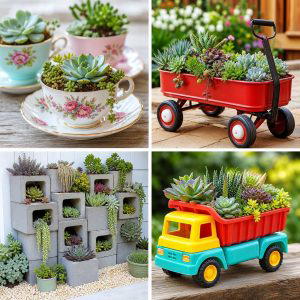 25 reusing old things ideas for succulent garden Decor