
Butterflies are more than just beautiful visitors; they are essential indicators of a healthy ecosystem that bring life to any backyard. Creating a dedicated habitat involves more than just planting a few flowers; it requires a thoughtful balance of nectar sources, larval host plants, and safe shelters. By integrating these elements, you can transform your outdoor space into a vibrant sanctuary that supports the entire life cycle of these delicate winged creatures. This guide explores a variety of creative ways to invite nature into your yard, ensuring your garden becomes a thriving hub for biodiversity and a peaceful retreat for you to enjoy throughout the seasons.
1. Native Wildflower Patch
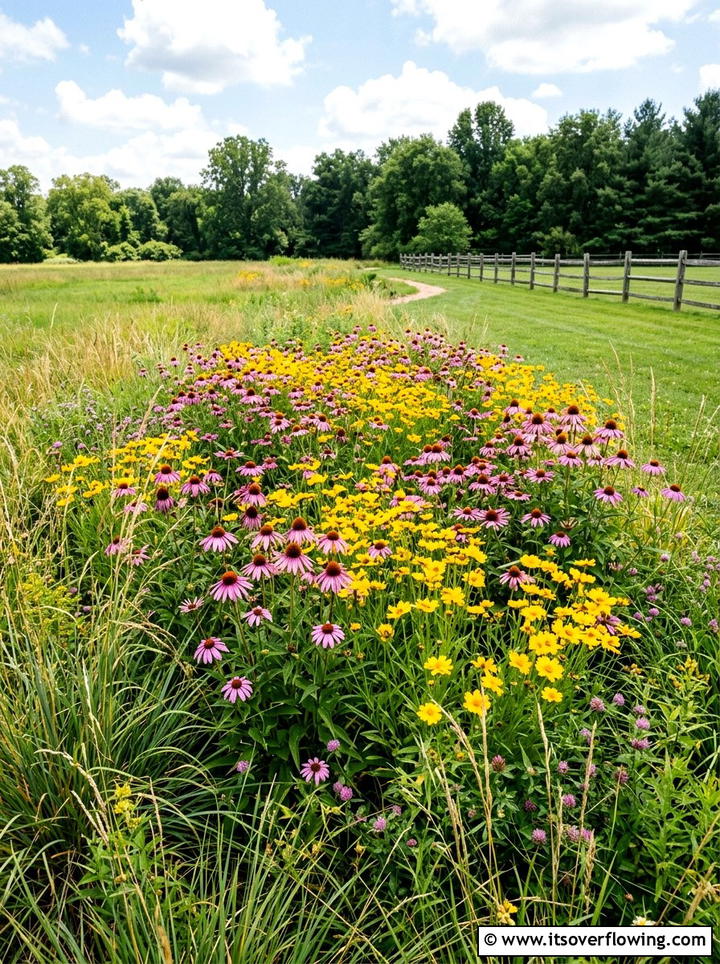
Imagine walking through a sea of vibrant colors that sway gently in the breeze while providing essential nutrients to local wildlife. A native wildflower patch is perhaps the most effective way to invite indigenous butterfly species into your backyard without requiring constant maintenance or heavy watering. These plants have evolved alongside local insects, meaning they offer exactly what your winged visitors need to thrive in your specific climate. By choosing a mix of species that bloom at different times, you ensure a steady food supply from early spring through the late autumn months. This naturalistic approach creates a lush, meadow-like aesthetic that looks stunning and serves a vital ecological purpose.
2. Monarch Milkweed Bed
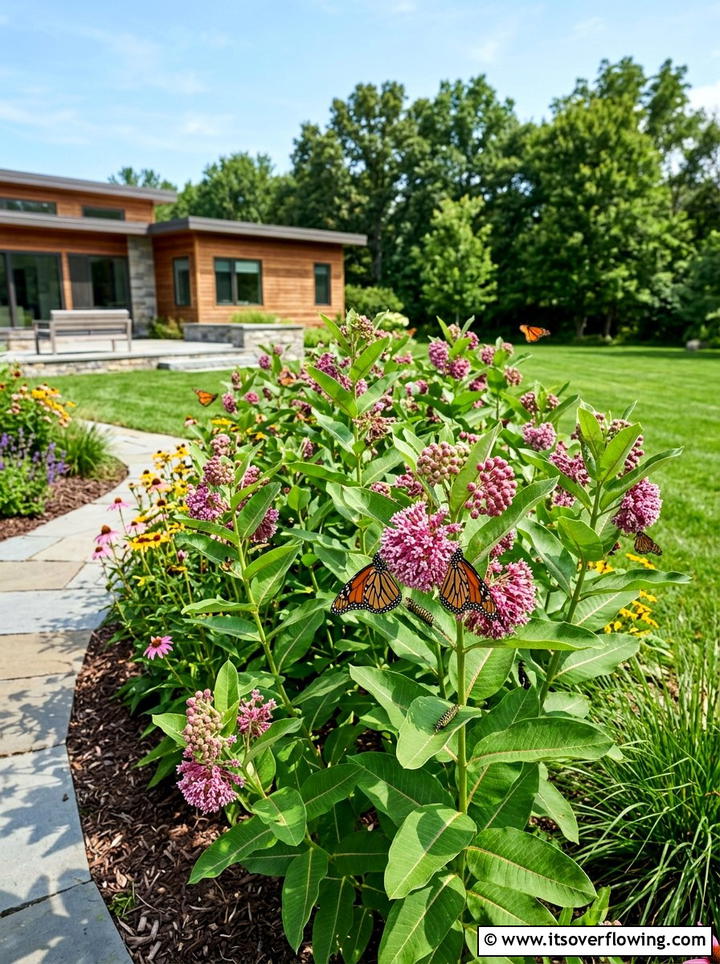
Have you ever wondered how you can personally help protect one of the most famous migratory species in the world? Planting a dedicated milkweed bed is the single best action you can take to support the monarch butterfly population during their long journey. Milkweed is the only plant where monarchs lay their eggs and the only food source for their hungry caterpillars. By creating a dense cluster of these plants, you provide a safe nursery that is easy for adult butterflies to locate from the air. This functional habitat adds a unique vertical element to your landscape while offering you a front-row seat to the miracle of metamorphosis.
3. Butterfly Puddling Station
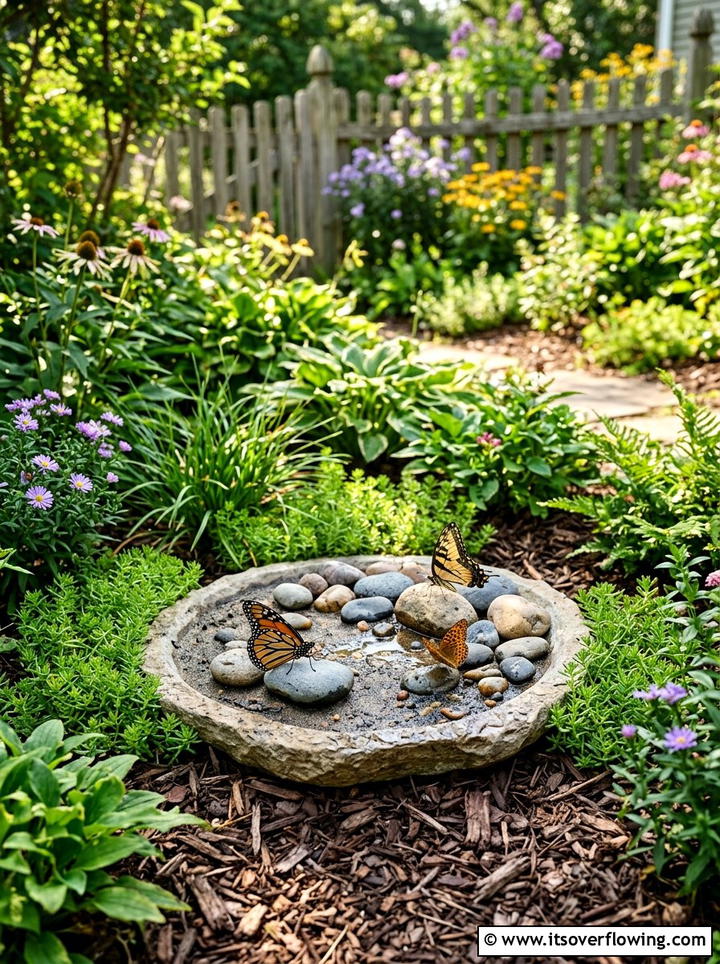
While many people focus solely on flowers, butterflies also need a reliable source of minerals and salts found in damp soil. A butterfly puddling station is a simple yet often overlooked feature that can significantly increase the number of visitors to your outdoor space. You can create this by burying a shallow dish filled with sand and stones, then keeping it slightly moist with a bit of water. Butterflies will congregate on the damp sand to sip essential nutrients that they cannot get from nectar alone. Placing this station in a sunny, wind-protected spot ensures your visitors feel safe and comfortable while they refuel for their next flight.
4. Vertical Flower Trellis
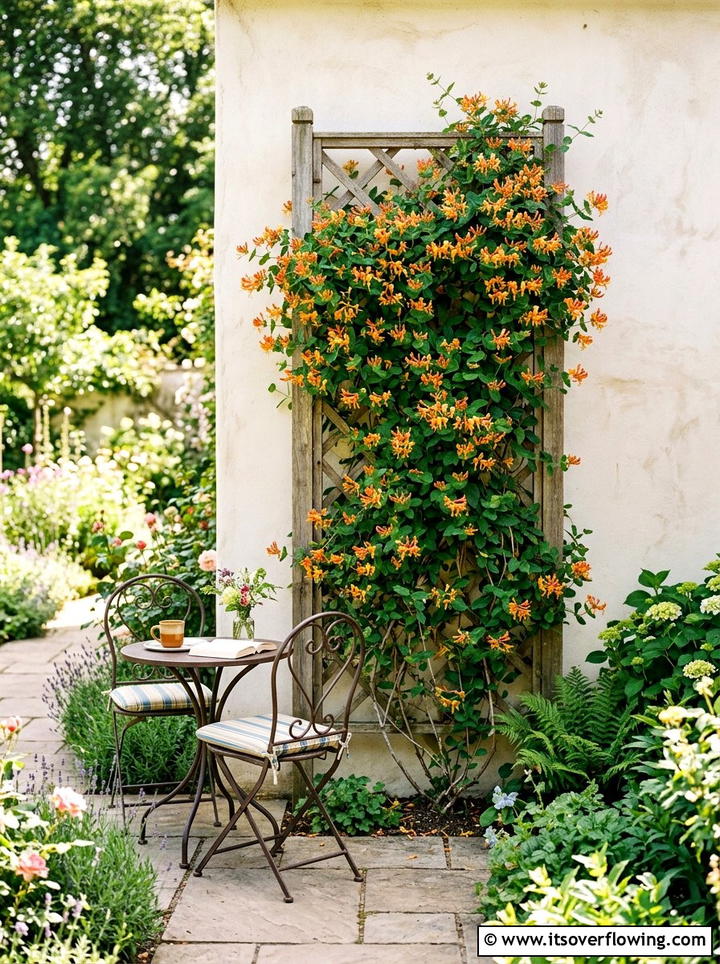
Do you have a small backyard or a patio that feels a bit cramped for a full flower bed? A vertical flower trellis allows you to grow butterfly-attracting vines like honeysuckle or passionflower without taking up much ground space. These climbing plants provide a vertical buffet of nectar and create a lush green screen that adds privacy to your outdoor living area. Butterflies are naturally drawn to the height, making it easier for them to find your garden from a distance. This design strategy maximizes your growing area while adding architectural interest and a soft, romantic feel to any wall or fence in your home.
5. Lavender Border Planting
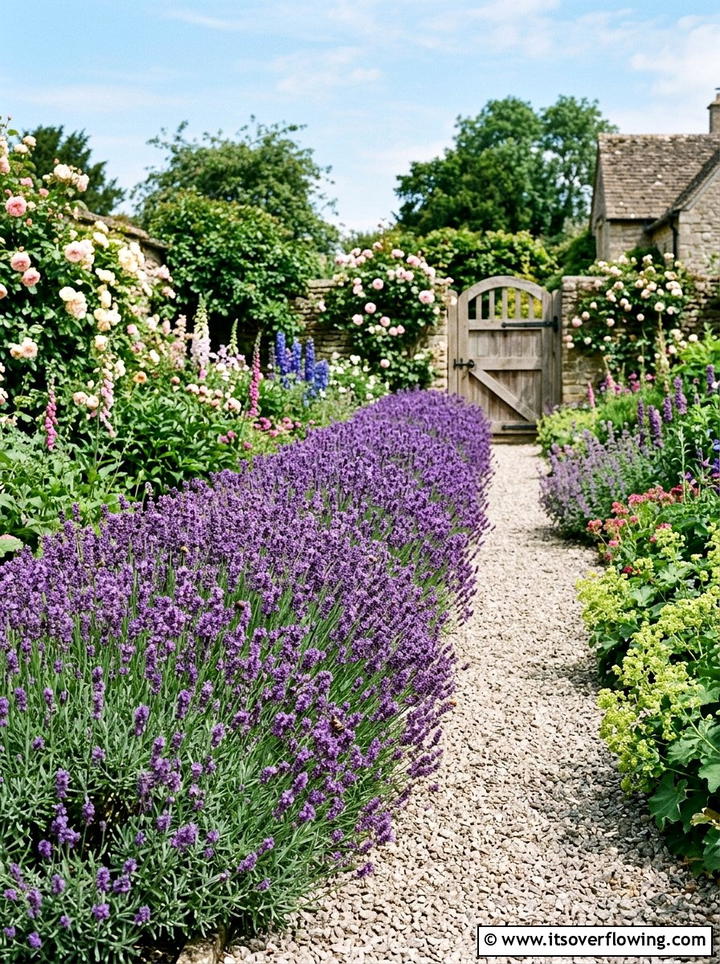
Can you imagine the soothing scent of fresh lavender wafting through your windows while watching dozens of butterflies dance around the purple spikes? Lavender is a powerhouse plant for pollinators because it produces high amounts of nectar and blooms for a long period during the summer. Planting it as a structured border along a walkway or garden path creates a sensory experience for both humans and insects alike. The silvery-green foliage provides a beautiful contrast to other garden colors and stays attractive even when the plant is not in full bloom. It is a hardy, drought-tolerant choice that brings a touch of Mediterranean charm.
6. Zinc Bucket Planter
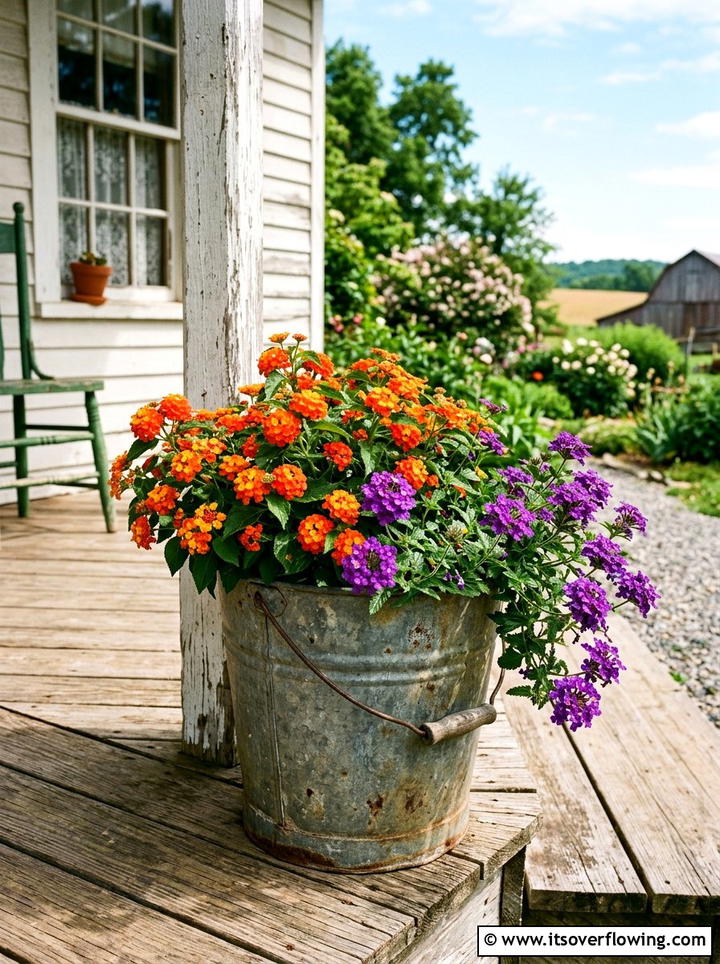
Are you looking for a rustic way to add small pockets of color to your porch or deck? Using zinc bucket planters for butterfly-friendly annuals like lantana or pentas is a clever way to incorporate habitats into tight spaces. These metal containers provide a vintage, farmhouse aesthetic that complements almost any home style while being easy to move around as the sun changes position. Because the metal can heat up, these planters are perfect for heat-loving flowers that butterflies absolutely adore. This approach allows you to experiment with different plant combinations each year to see which ones attract the most colorful visitors to your seating area.
7. Flat Sunning Stones
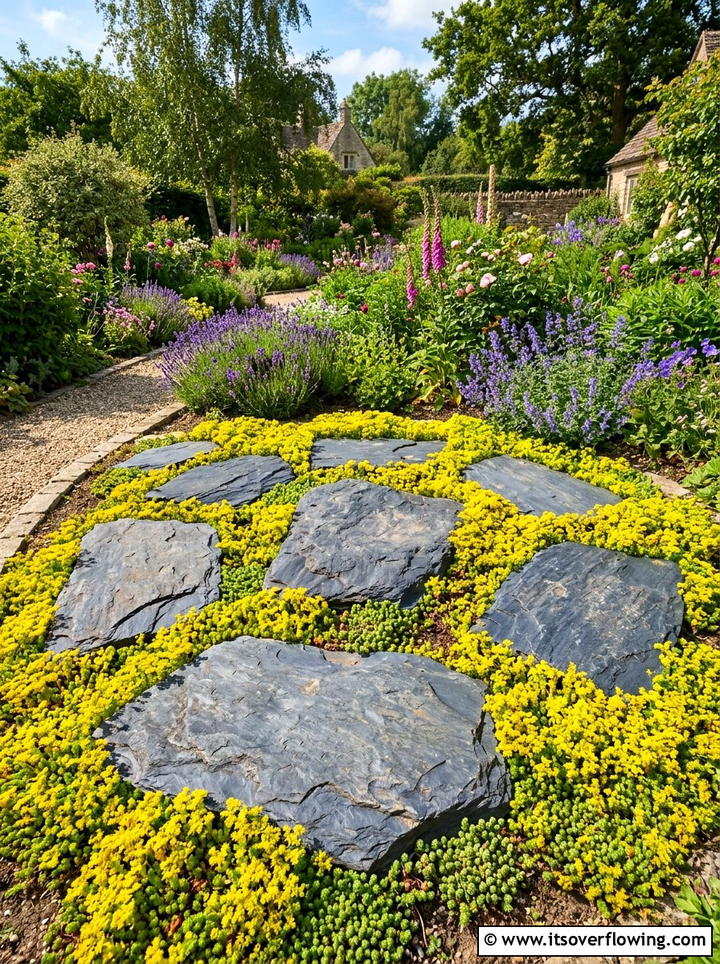
Did you know that butterflies are cold-blooded and need to warm up their wing muscles before they can fly? Integrating flat sunning stones into your landscape design provides these insects with a natural heating pad where they can rest and soak up the sun. Place large, dark-colored rocks in a sunny spot that is protected from the wind to create the ideal basking environment. This simple addition not only helps the butterflies but also adds a natural, rugged texture to your garden beds. Surround the stones with low-growing flowers to ensure the butterflies have a quick snack nearby once they have finished warming their delicate wings.

8. Woodland Pollinator Corner
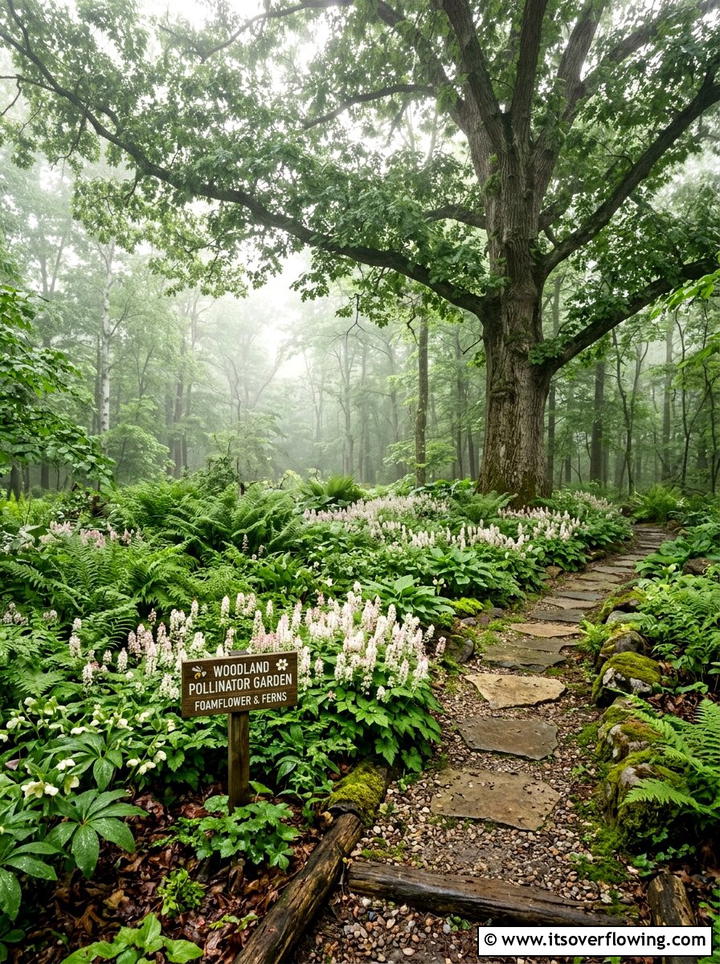
Does your backyard have a shaded area where traditional sun-loving flowers refuse to grow? A woodland pollinator corner utilizes shade-tolerant native plants like foamflower or wild columbine to create a quiet sanctuary for forest-dwelling butterfly species. These areas provide a cool retreat during the hottest parts of the summer and offer protection from predators. By layering different heights of plants, you mimic a natural forest floor, which is essential for many moth and butterfly species during their larval stages. This design adds a sense of mystery and tranquility to your yard while ensuring every square inch of your property supports local biodiversity.
9. Window Box Flowers
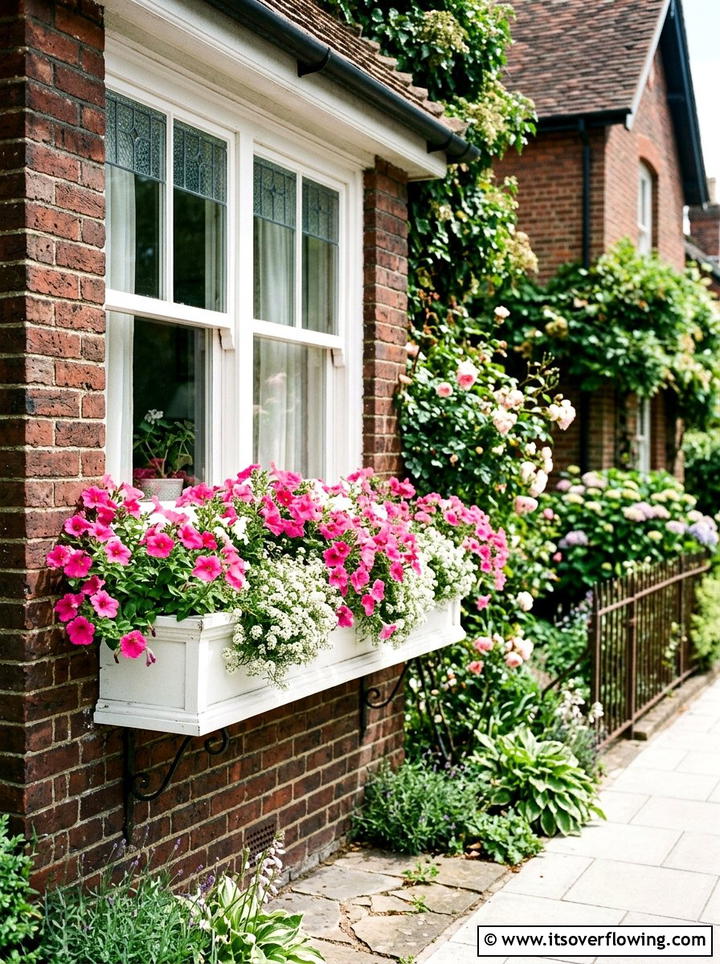
Would you like to enjoy the sight of butterflies right outside your kitchen or bedroom window? Installing window boxes filled with nectar-rich flowers like sweet alyssum and petunias brings the habitat directly to your eye level. This setup is perfect for urban dwellers or those with limited yard space who still want to contribute to pollinator conservation efforts. The close proximity allows you to observe the intricate details of different butterfly species as they feed. Be sure to choose a variety of colors and textures to create a miniature ecosystem that remains vibrant and inviting throughout the entire growing season for all your winged visitors.
10. Caterpillar Herb Patch
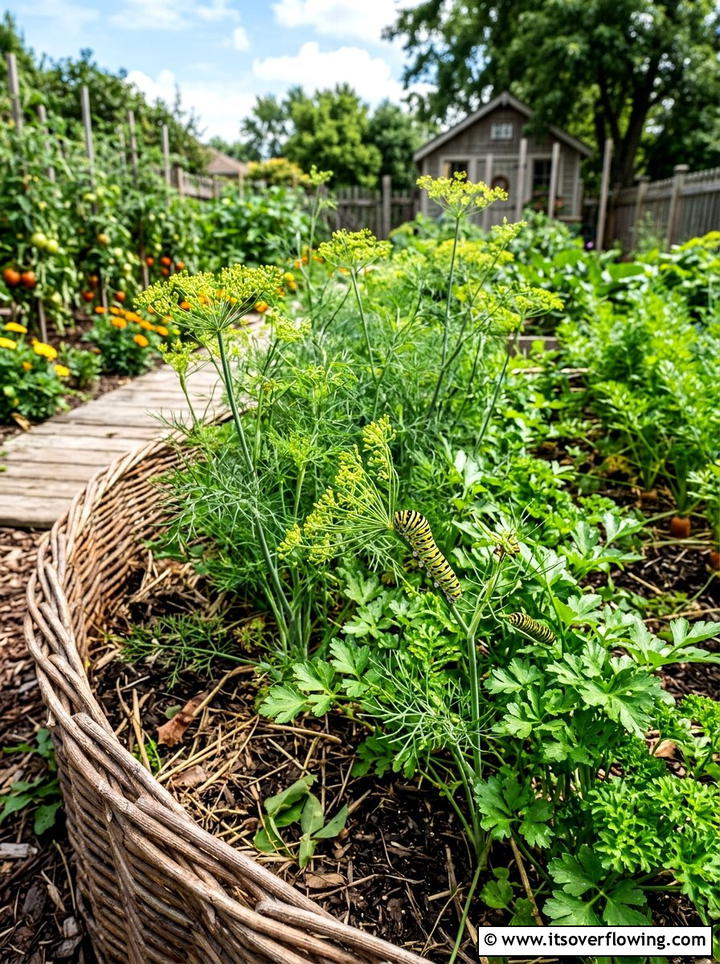
Have you ever considered that the herbs you love to cook with are also vital food sources for caterpillars? A caterpillar herb patch featuring parsley, dill, and fennel will attract swallowtail butterflies who are looking for a place to lay their eggs. While the caterpillars may munch on the leaves, the plants are usually hardy enough to survive and will eventually produce beautiful flowers if left to bolt. This dual-purpose garden area provides you with fresh ingredients for your kitchen while serving as a crucial nursery for the next generation of butterflies. It is a wonderful way to connect your culinary interests with meaningful ecological conservation.
11. Raised Nectar Bed
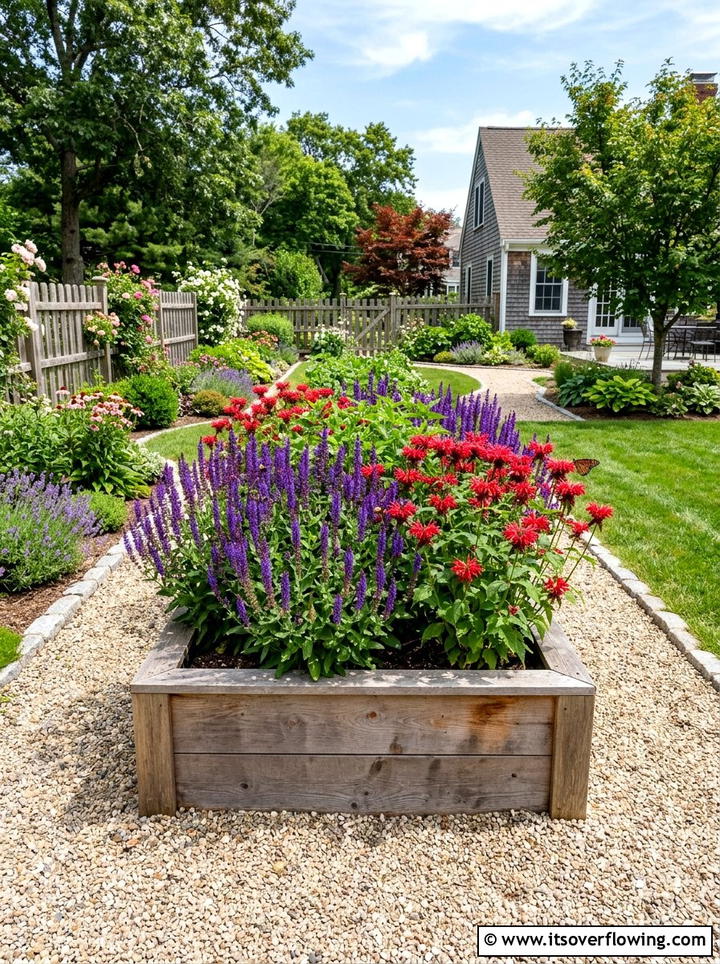
Are you looking for a way to organize your pollinator plants while keeping them away from heavy foot traffic or hungry rabbits? A raised nectar bed provides the perfect solution by elevating your favorite flowers and making them more accessible for both you and the butterflies. This design allows for better soil drainage and keeps the ground warmer, which often leads to earlier and more prolific blooming throughout the season. You can fill these beds with a variety of nectar-rich perennials like lavender, salvia, and coneflowers to create a concentrated feast. The defined borders of a raised bed also help maintain a tidy appearance while offering a lush look.

12. Fruit Feeding Station
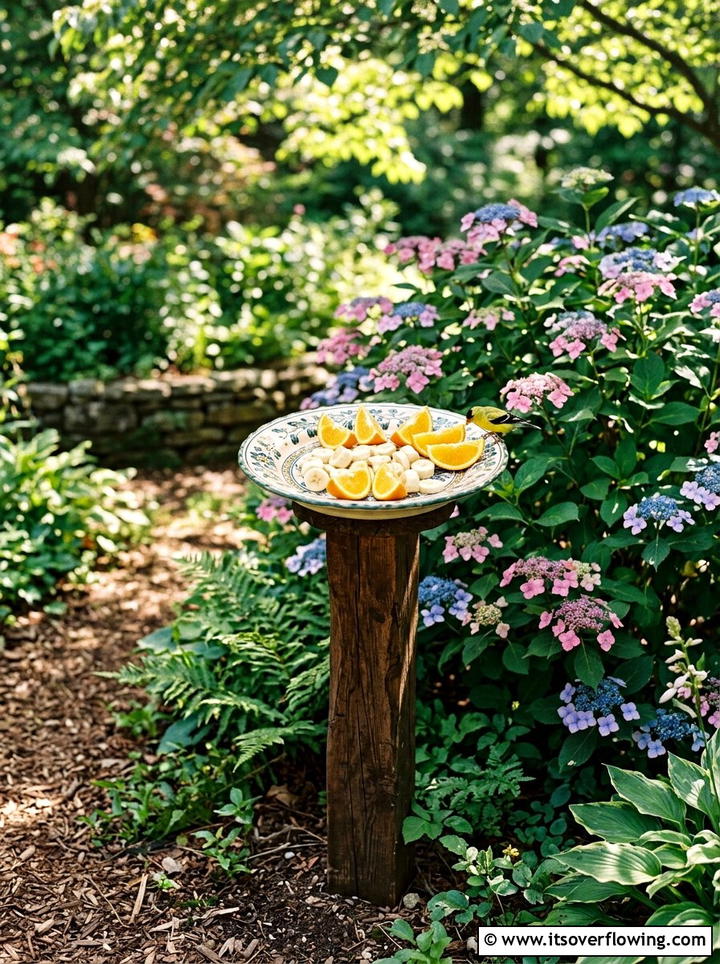
Did you know that some butterfly species prefer the juice of overripe fruit rather than the nectar from flowers? Setting up a fruit feeding station with slices of oranges, bananas, or watermelons is a unique way to attract species like the Red Admiral or the Question Mark butterfly. You can place the fruit on a decorative ceramic plate or a hanging wooden platform located in a slightly shaded area. This method is particularly effective in the late summer and autumn when floral nectar might be less abundant. It provides a fascinating opportunity to see different feeding behaviors while recycling kitchen scraps into a valuable resource for your local wildlife.
13. Backyard Prairie Grasses
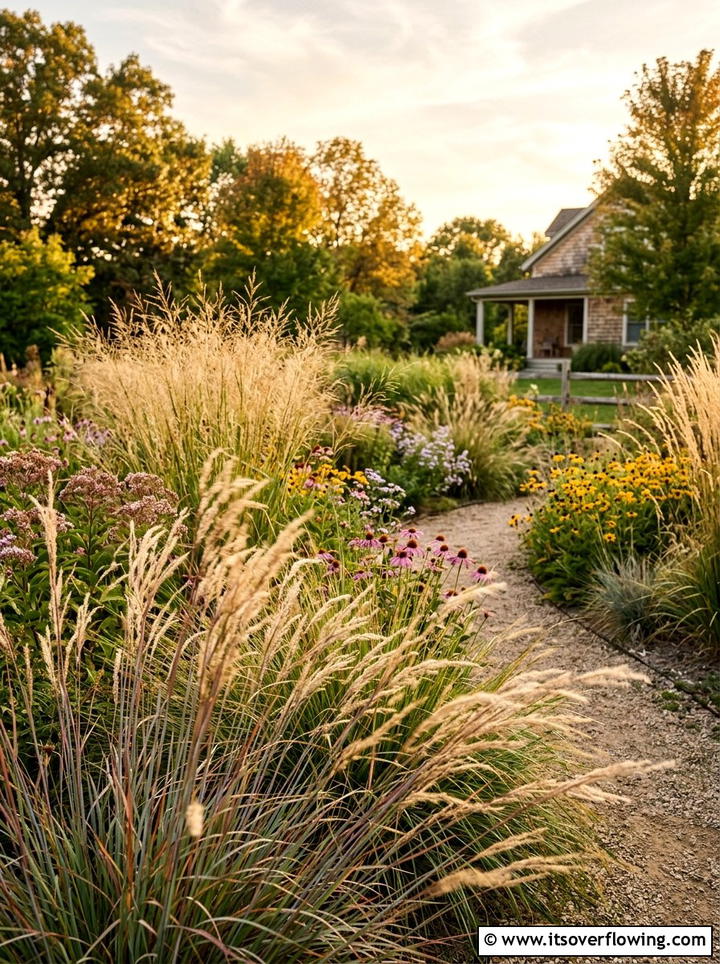
Have you considered that butterflies need more than just food; they also need sturdy places to hide and sleep? Integrating native backyard prairie grasses like Little Bluestem or Sideoats Grama provides essential structural support for a butterfly habitat. These grasses offer protection from heavy rain and wind, and they serve as host plants for several species of skipper butterflies. The fine textures and golden autumn colors of these grasses add a sophisticated, naturalistic look to your landscape that remains beautiful even in the winter. They create a soft backdrop that makes the bright colors of your flowering perennials stand out even more vividly in the sunlight.
14. Cottage Flower Border
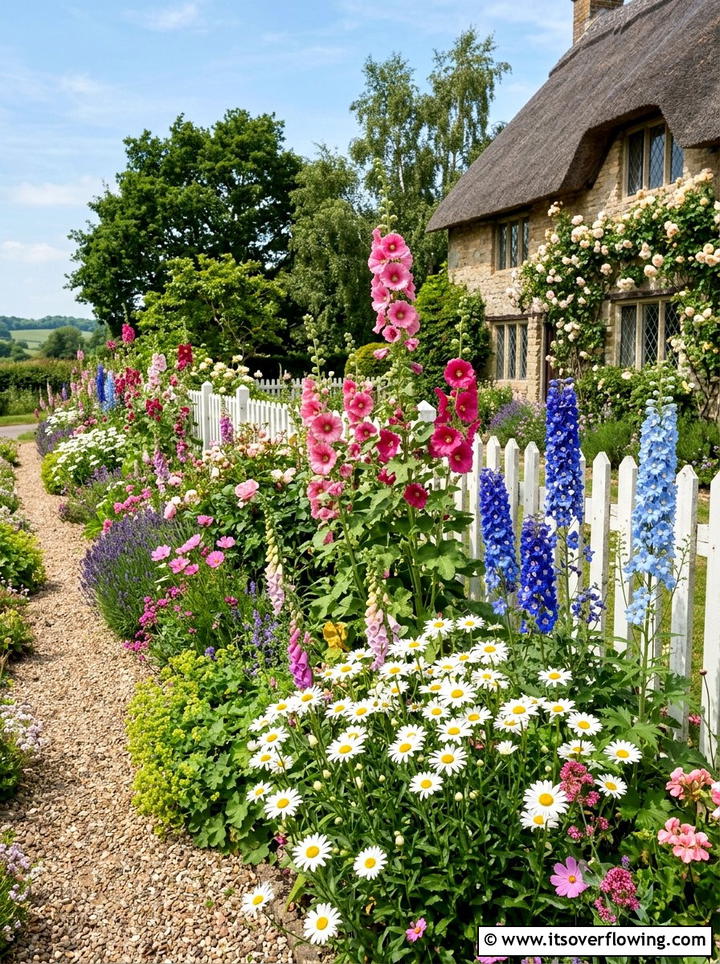
Is there anything more classic and inviting than a lush cottage flower border overflowing with a riot of colors and textures? This style of gardening is naturally butterfly-friendly because it emphasizes a dense, diverse planting scheme that mimics the complexity of nature. By mixing tall hollyhocks, medium-sized zinnias, and low-growing creeping thyme, you create multiple levels of feeding and resting spots. The informal, slightly wild look of a cottage border provides plenty of nooks and crannies for insects to find shelter. This design approach is perfect for those who want a garden that feels lived-in, romantic, and teeming with life from the ground up to the sky.
15. Stone Wall Planting
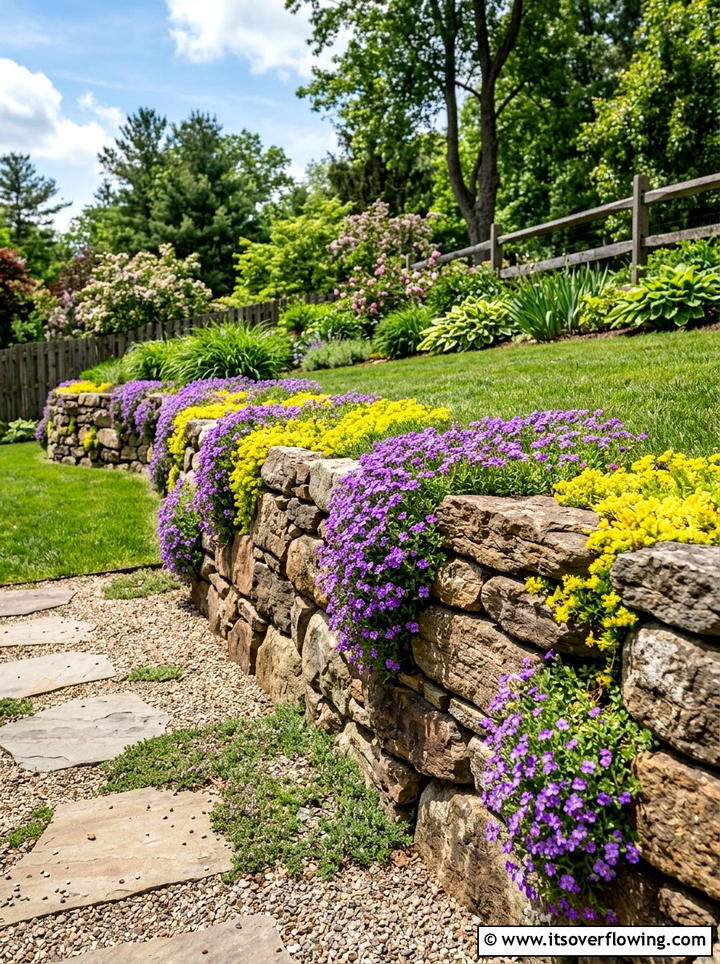
Do you have a retaining wall or a rocky slope that needs a bit of life and color? Stone wall planting involves tucking small, nectar-rich plants into the crevices and gaps between rocks to create a vertical habitat. Species like rock cress or sedum thrive in these well-drained environments and provide early-season food for butterflies emerging from hibernation. The stones themselves retain heat, creating a warm microclimate that helps butterflies stay active even on cooler days. This technique turns a functional architectural feature into a living tapestry of blooms that adds depth and character to your landscape while supporting the local insect population in a unique way.
16. Overwintering Log Pile
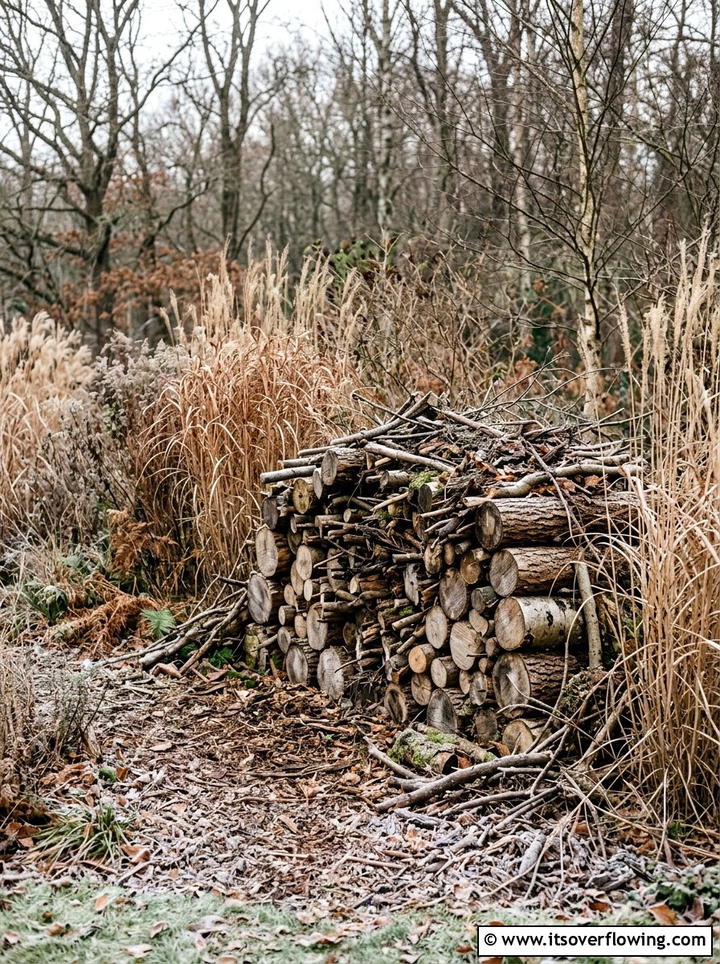
Have you ever wondered where butterflies go when the temperatures drop and the flowers fade away? Providing an overwintering log pile in a quiet corner of your garden offers a vital sanctuary for species that hibernate as adults or pupae. By stacking a few logs and branches in a loose pile, you create small cavities that protect insects from freezing winds and hungry predators. This feature does not have to be messy; you can tuck it behind some tall perennials or shrubs to keep it out of sight. It is a simple, no-cost way to ensure that the butterflies you enjoy in the summer have a safe place to sleep.
17. Potted Butterfly Habitat
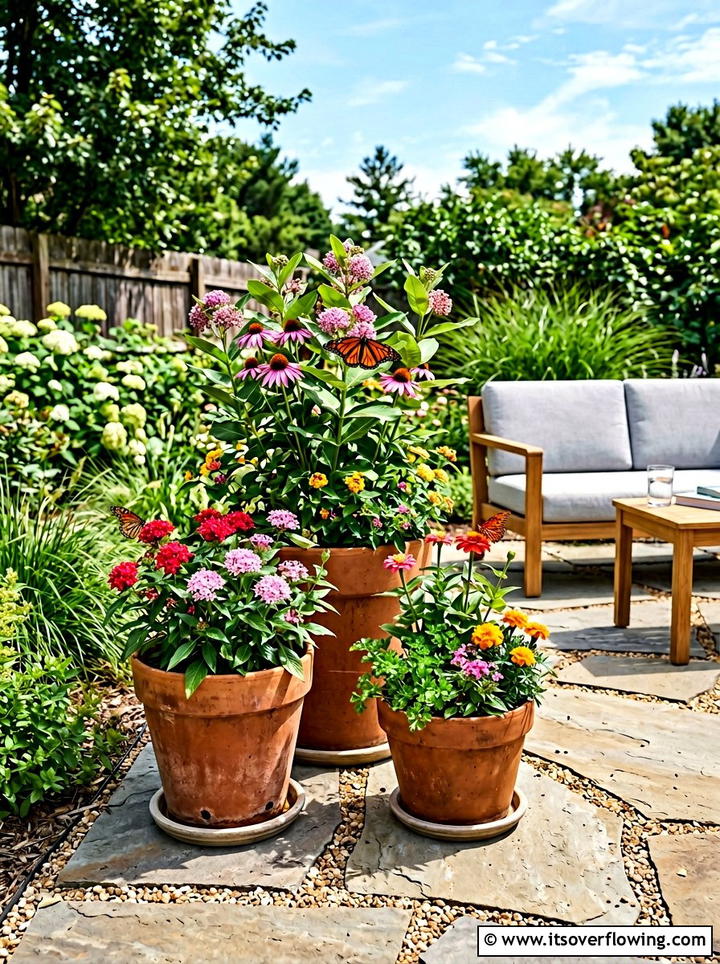
Can you create a complete ecosystem in just a few containers on your apartment balcony or small patio? A potted butterfly habitat uses large pots filled with a mix of host plants and nectar sources to provide a one-stop shop for visiting insects. For example, you could plant a large central milkweed surrounded by colorful lantana and trailing verbenas. This concentrated arrangement makes it easy for butterflies to find everything they need in one location. Using pots of varying heights creates visual interest and allows you to move the habitat around to catch the best sunlight. It proves that you do not need a massive yard to make a difference.
18. Colorful Zinnia Patch
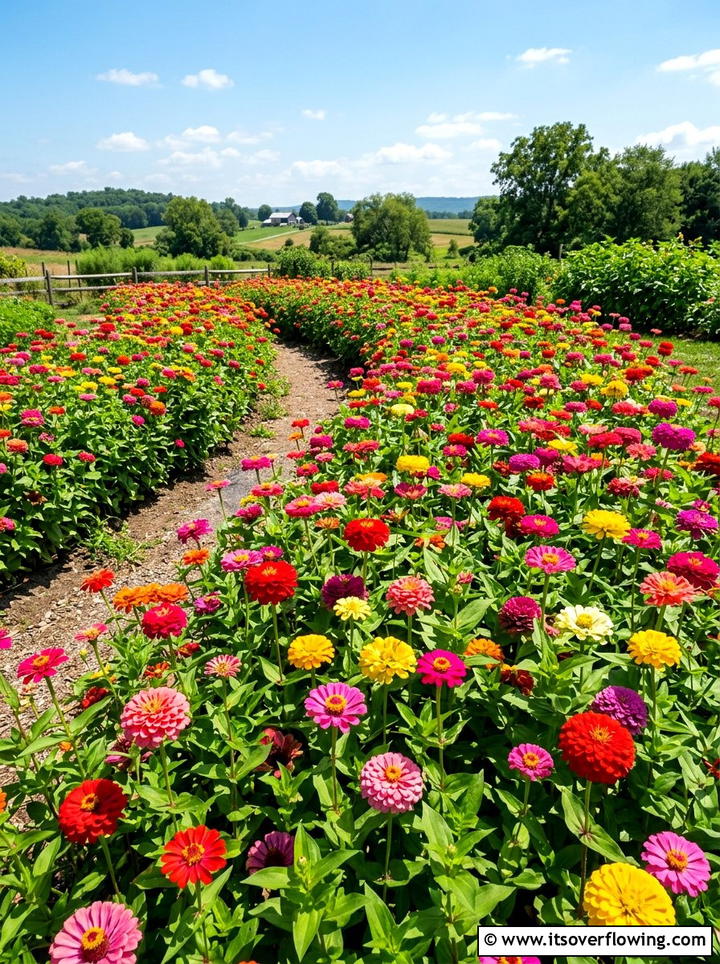
Are you looking for a fast-growing and incredibly easy way to fill your garden with dozens of butterflies all summer long? A colorful zinnia patch is a favorite among gardeners and pollinators alike because these flowers are prolific bloomers and come in almost every color of the rainbow. Zinnias have a flat, open shape that provides an ideal landing platform for butterflies of all sizes. They are also very easy to grow from seed, making them an affordable option for covering large areas with vibrant blooms. Cutting the flowers regularly for indoor bouquets actually encourages the plant to produce even more blossoms, ensuring a steady supply for your visitors.
19. Gravel Flower Bed
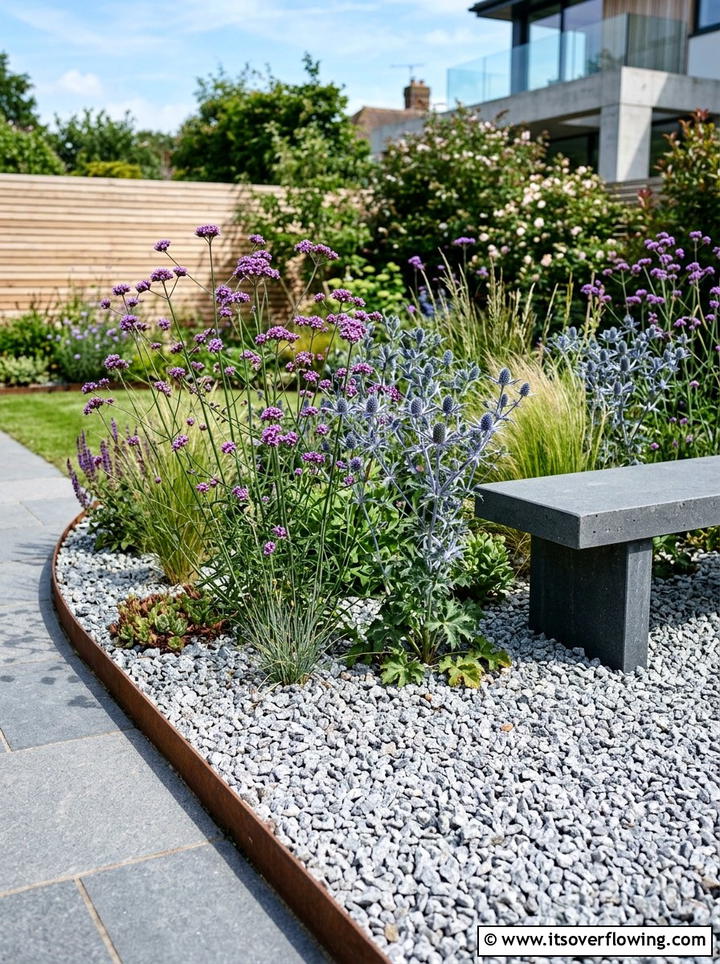
Have you thought about using a gravel flower bed to create a low-maintenance, high-impact habitat for butterflies? This design style, often associated with Mediterranean or xeriscape gardens, uses a layer of gravel as mulch to retain moisture and suppress weeds while reflecting heat. Planting heat-loving species like purple top verbena and globe thistle directly into the gravel creates a stunning, contemporary look that butterflies find irresistible. The sharp drainage provided by the gravel is perfect for many pollinator-friendly plants that dislike “wet feet. ” This approach results in a clean, modern aesthetic that requires very little upkeep while providing a wealth of resources for your local ecosystem to thrive.
20. Flowering Privacy Hedge
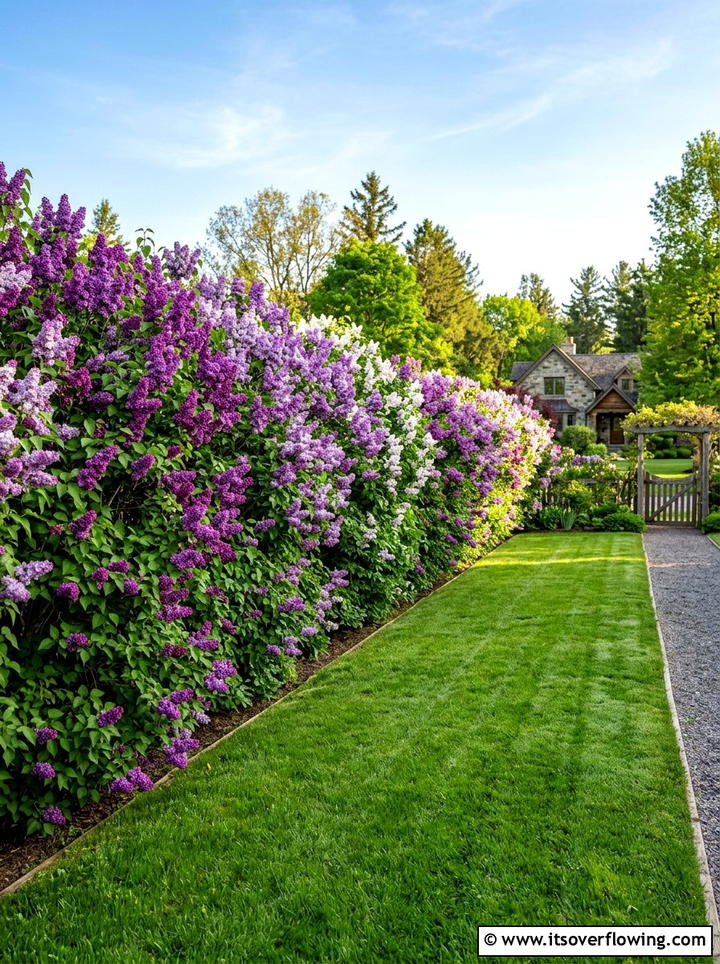
Could your property benefit from a bit of privacy that also serves as a massive food source for local wildlife? A flowering privacy hedge using shrubs like lilac, mock orange, or viburnum creates a living wall that provides both beauty and function. These woody plants offer thousands of tiny flowers at once, creating a concentrated nectar source that can attract hundreds of butterflies in a single day. The dense branches also provide excellent nesting sites for birds and secure hiding spots for butterflies during summer storms. By choosing a variety of shrubs, you can ensure a succession of blooms and structural interest throughout the entire year in your backyard.
21. Shallow Water Basin
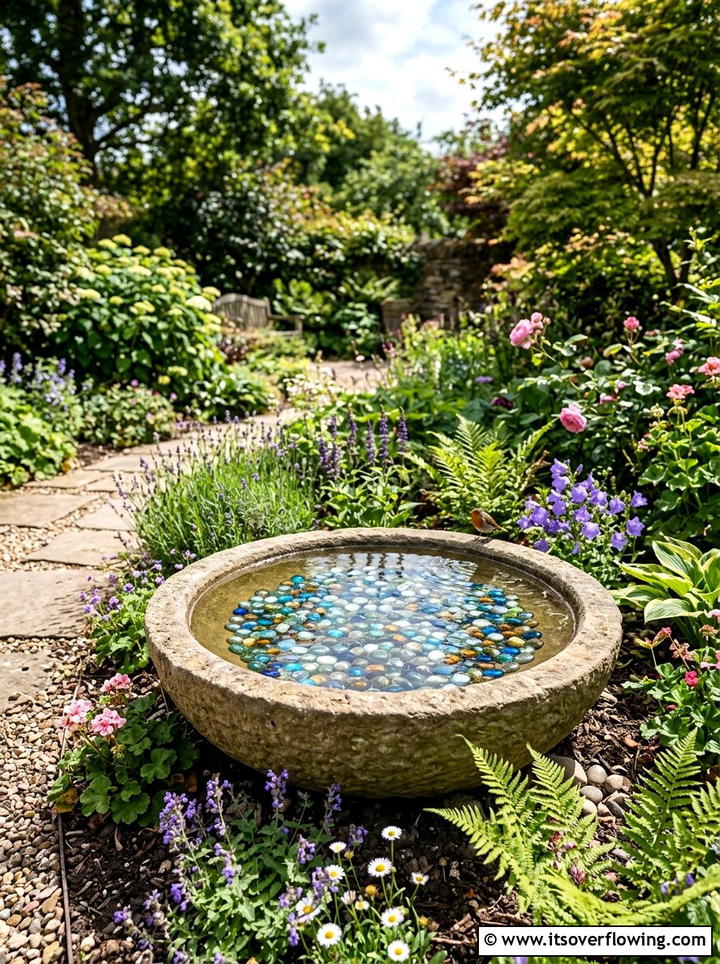
While butterflies get most of their hydration from nectar, they still appreciate a shallow water basin where they can safely land and drink. Unlike a deep birdbath, a butterfly-friendly water feature should be very shallow, often filled with pebbles or sand that break the surface of the water. This allows the butterflies to stand on a dry surface while sipping from the edges without the risk of falling in. Placing this basin near your brightest flowers will make it a popular stop on their daily rounds. It adds a peaceful, reflective quality to your garden design while fulfilling a basic biological need for the insects you love.
22. Urban Rooftop Flora
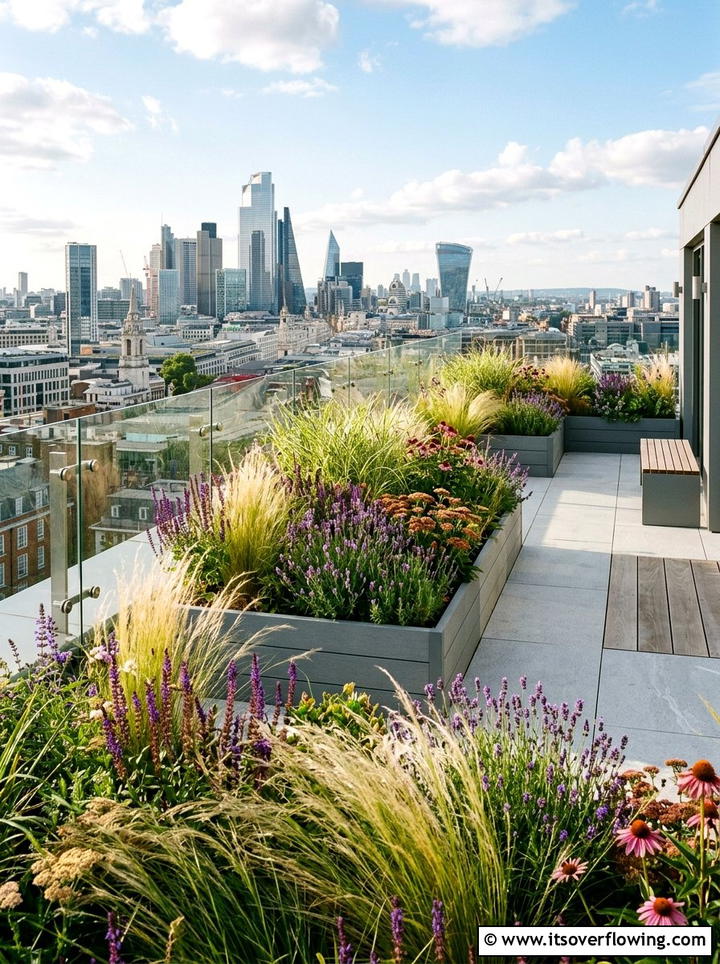
Do you live in a high-rise building and think a butterfly habitat is impossible to achieve so far above the ground? Urban rooftop flora, including hardy perennials and grasses grown in specialized containers, can attract a surprising number of butterflies that travel along urban corridors. Butterflies are excellent flyers and will easily find a green oasis even several stories up. By selecting wind-resistant plants and ensuring regular watering, you can turn a barren roof into a lush sanctuary that provides a vital stepping stone for pollinators moving through the city. This elevated garden offers a unique perspective on nature and helps cool your building during the hot summer months.
23. Butterfly Bush Focal
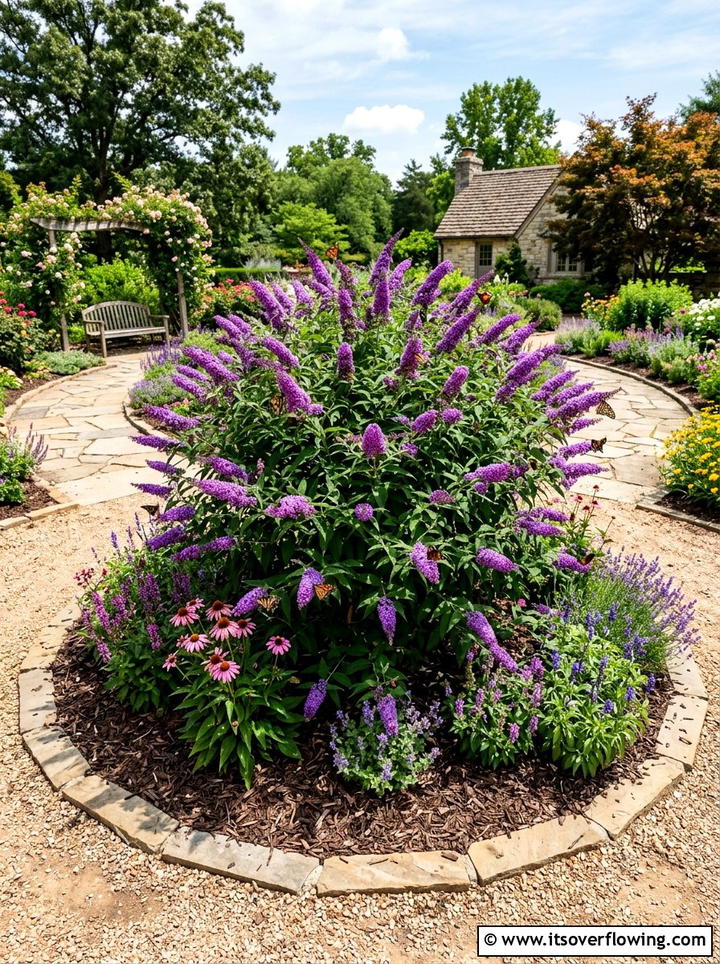
Have you ever seen a plant so attractive to insects that it is literally covered in wings from dawn until dusk? The butterfly bush, or Buddleia, is a classic choice for any habitat because its long, honey-scented flower spikes are specifically designed to attract pollinators. Using one of these as a focal point in your garden design creates a dramatic visual impact and a centralized feeding hub. Many modern varieties are now sterile, meaning they won ‘t spread into wild areas where they shouldn’ t be. Placing a bench nearby allows you to sit quietly and observe the incredible diversity of species that will inevitably flock to this nectar-rich powerhouse in your yard.
24. Night Blooming Flowers
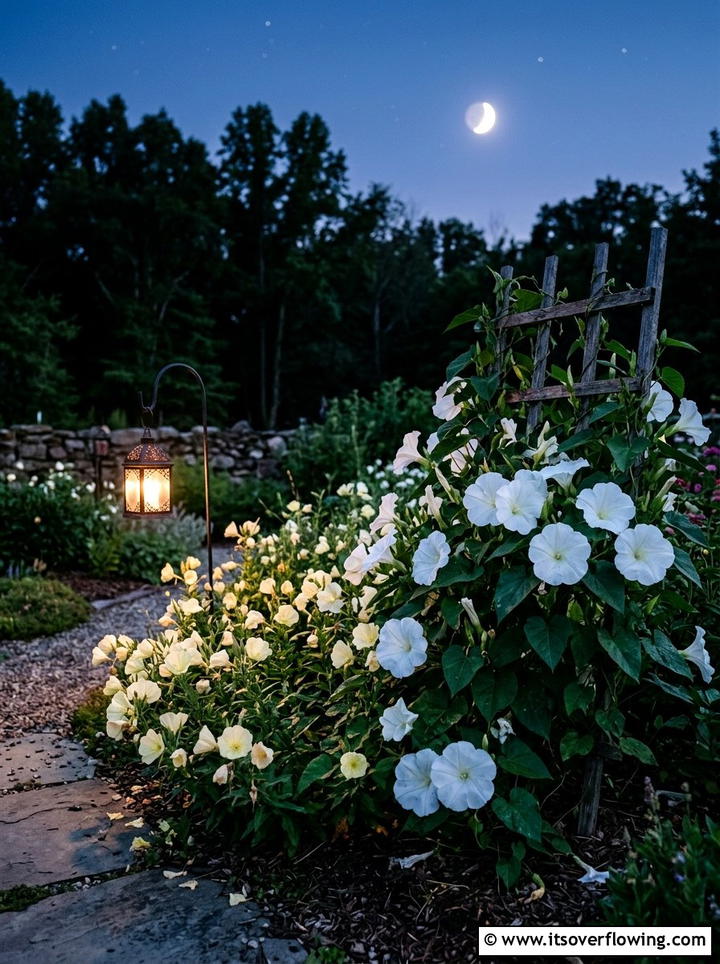
Did you know that the butterfly family also includes many beautiful moths that are active during the twilight and nighttime hours? Integrating night-blooming flowers like evening primrose or moonflowers ensures your habitat stays active even after the sun goes down. These flowers are often white or pale yellow, making them highly visible in the moonlight, and they frequently release strong fragrances to guide nocturnal pollinators. Designing a “moon garden” area provides a magical experience for you to enjoy during late-night strolls and supports a whole different side of the ecosystem. It rounds out your garden’s ecological value by providing resources for every hour of the day and night.
25. Mixed Perennial Planting
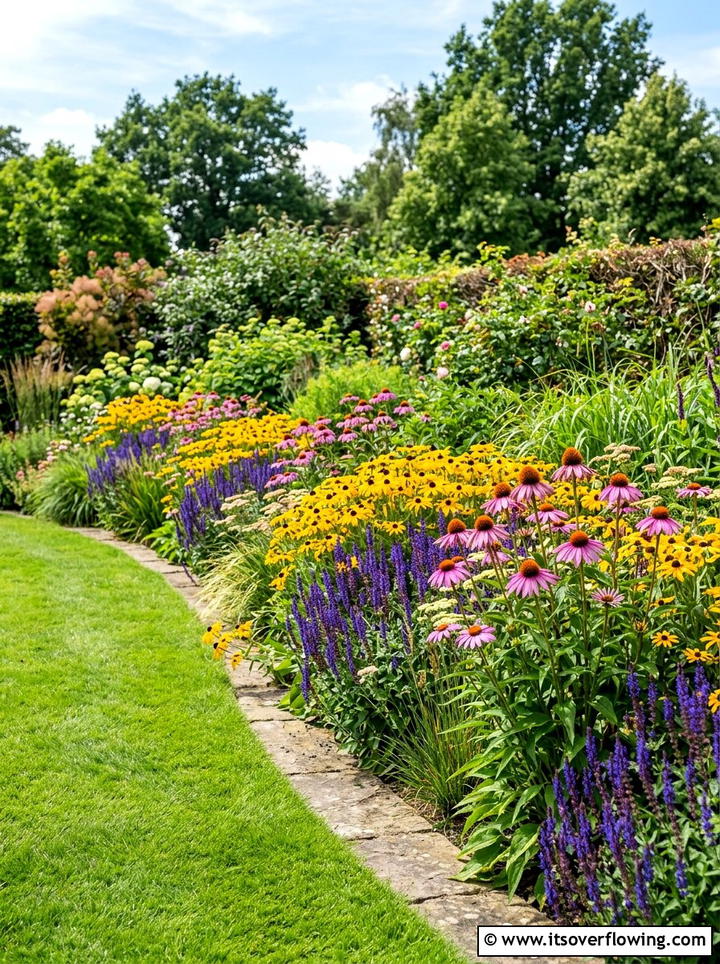
Are you looking for a long-term strategy to ensure your garden remains a butterfly haven for years to come with minimal replanting? A mixed perennial planting scheme combines various long-lived plants like bee balm, black-eyed Susans, and ironweed to create a stable and reliable environment. Because these plants return every year, they form the backbone of your habitat and provide a sense of continuity for local insect populations. You can arrange them in drifts of color to make it easier for butterflies to spot their favorite flowers from a distance. This approach creates a mature, layered look that evolves with the seasons and becomes more beautiful and ecologically productive as time goes by.
Conclusion:
Designing a garden that prioritizes butterfly habitats is a rewarding journey that connects you deeply with the natural world right outside your door. By implementing these creative ideas, you are doing more than just beautifying your property; you are building a vital corridor for species that rely on our help to survive. Whether you start with a small window box or a sprawling wildflower meadow, every plant counts toward a larger ecological goal. As your garden matures, you will find immense joy in watching the delicate dance of butterflies as they find refuge and nourishment in the sanctuary you have built with care. Your commitment to nature truly makes a lasting difference in your local environment.

Related posts:
 25 Creative Garden Ideas With Hidden Garden Corners
 25 Creative Garden Ideas With Keyhole Garden Beds
 25 Creative Garden Ideas With Kids Garden Zone
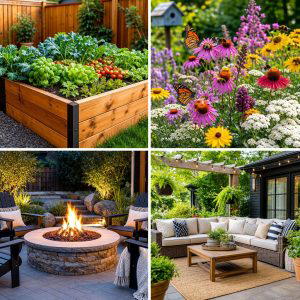 25 Creative Garden Ideas to Transform Any Outdoor Space Fast
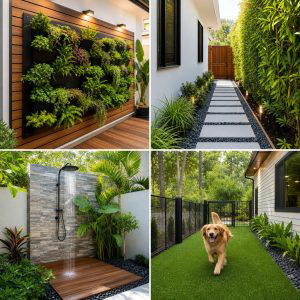 25 Creative Garden Ideas for Side Yards
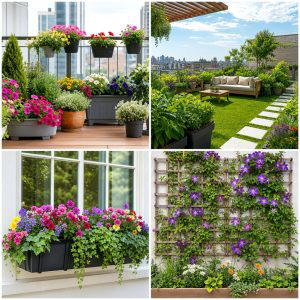 25 Creative Garden Ideas for Urban Homes
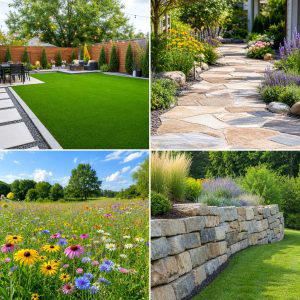 25 Creative Garden Ideas With Drought Proof Landscaping
 25 Creative Garden Ideas With Fire Pit Circles
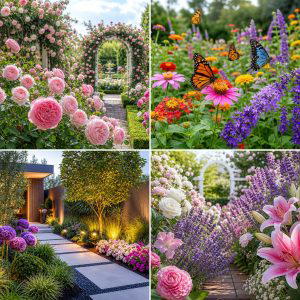 25 Creative Garden Ideas With Maximal Flower Color
 25 creative garden ideas with outdoor reading spaces to Love
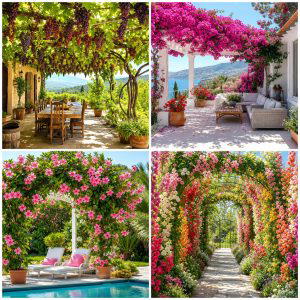 25 creative garden ideas with pergola vines for Shaded Beauty
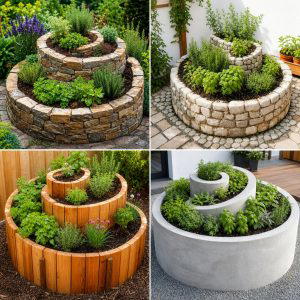 25 Creative Garden Ideas With Spiral Herb Beds to Try Now