
Transforming your backyard into a stunning sanctuary doesn’t always require a massive budget or brand-new supplies from the local nursery. Many homeowners find themselves with a collection of cracked or shattered terracotta vessels that seem destined for the trash bin. However, these broken pieces hold incredible potential for adding unique character and artistic flair to your outdoor living space. By repurposing these materials, you can create intricate miniature landscapes, functional garden tools, and whimsical decorative accents that reflect your personal style. Embracing the beauty of imperfection allows you to craft sustainable garden features that tell a story while also reducing waste in a very creative and eco-friendly way.
1. Broken pot fairy garden
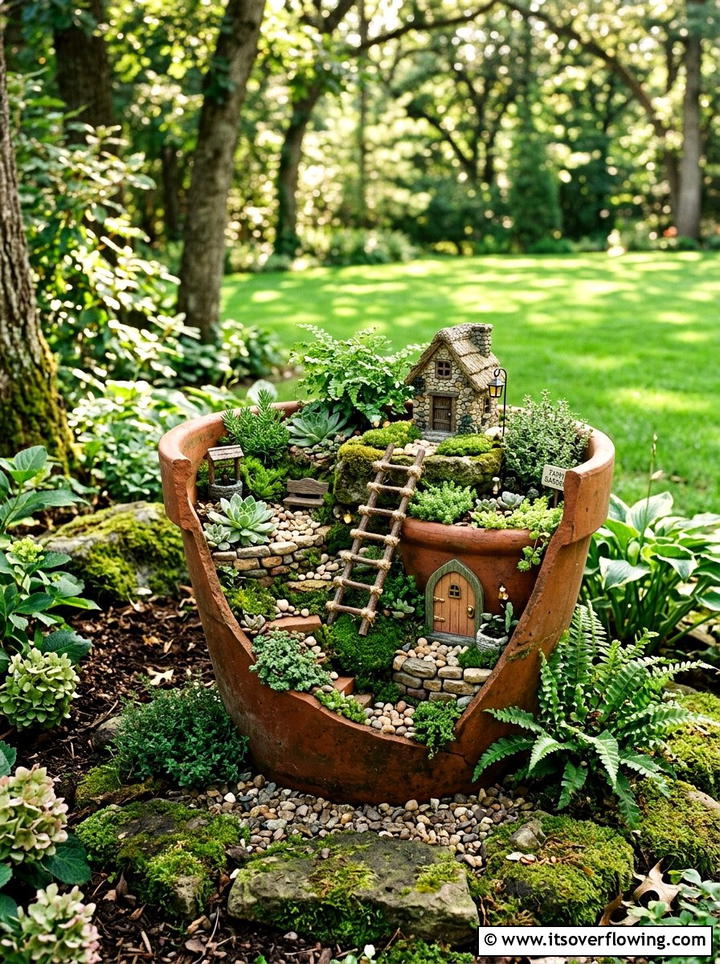
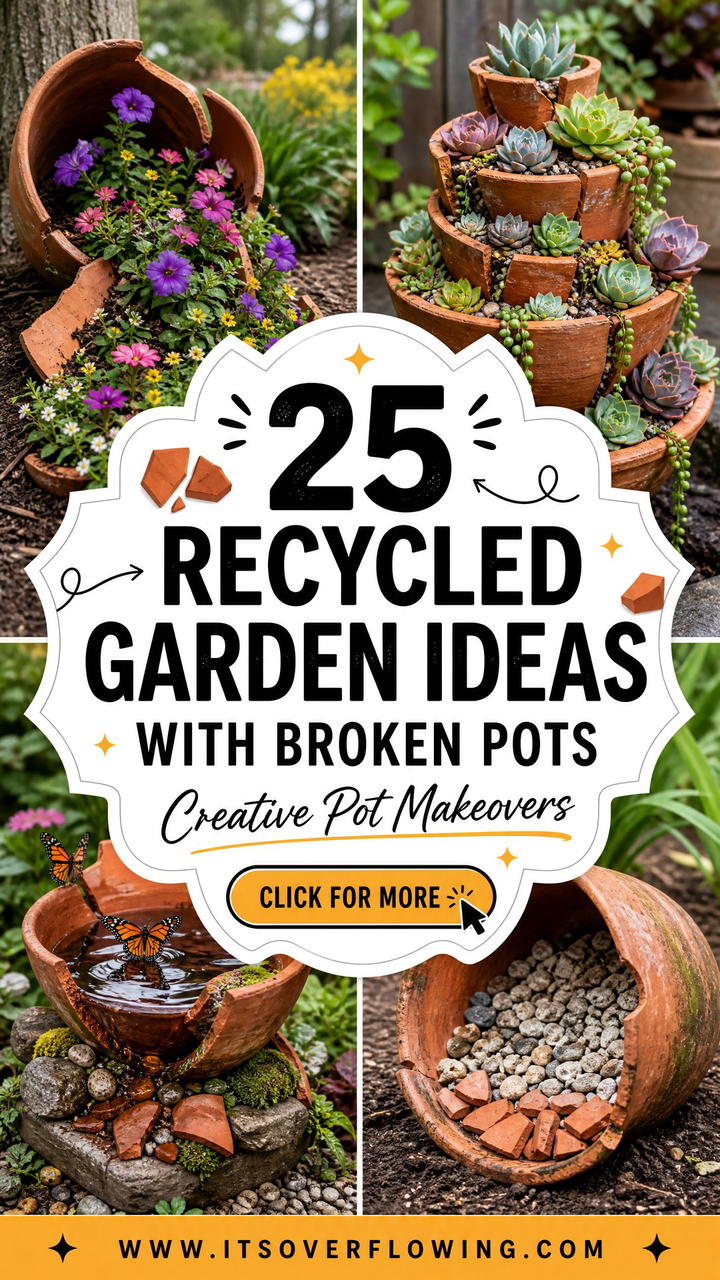
Creating a miniature whimsical world is perhaps the most popular way to use a shattered container in your backyard space. You can use the larger broken base as the foundation and then stack the smaller shards inside to create different levels or tiny staircases. This design allows you to nestle small mosses, delicate succulents, and tiny figurines into the crevices for a magical effect. The open side of the pot provides a perfect window into this enchanted scene, making it a wonderful focal point for a patio table or a shaded corner. It is a fantastic project that brings a sense of wonder to any garden layout.
2. Spilled flower pot
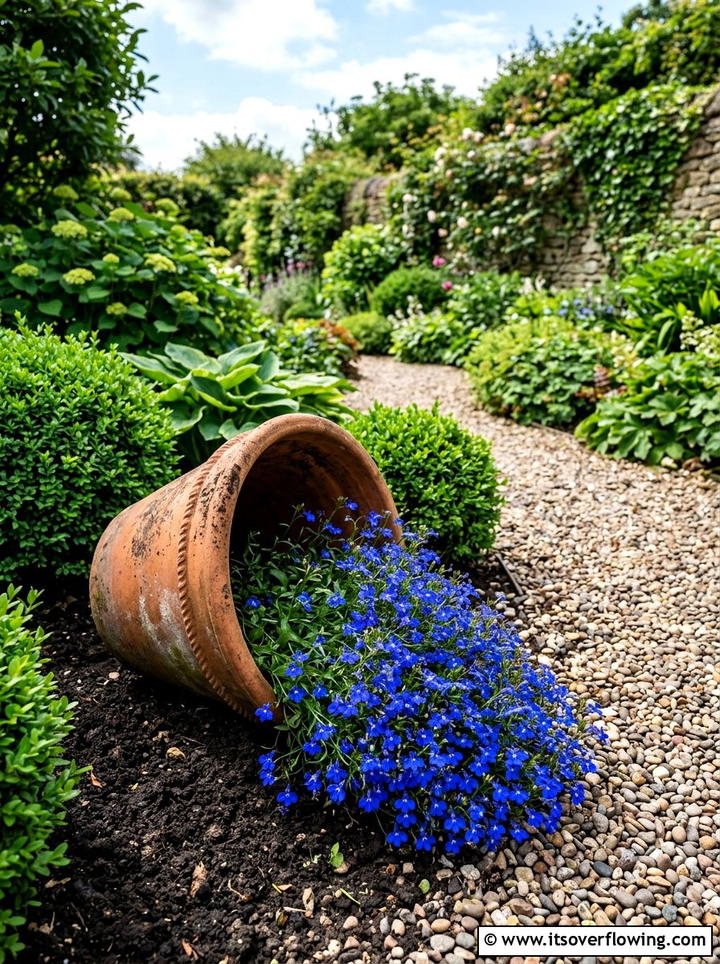
Have you ever seen a garden that looks like a beautiful floral waterfall is pouring out of a tipped container? This spilled flower pot look is incredibly easy to achieve using a vessel that has a large crack or a missing side. You simply bury the broken part slightly into the soil and plant low-growing flowers like lobelia or alyssum right at the mouth of the pot. As the plants grow, they spill over the edges and create a flow of color across your garden bed. This technique adds a dynamic sense of movement and visual interest to an otherwise static landscaping area or flower bed.
3. Terracotta plant markers
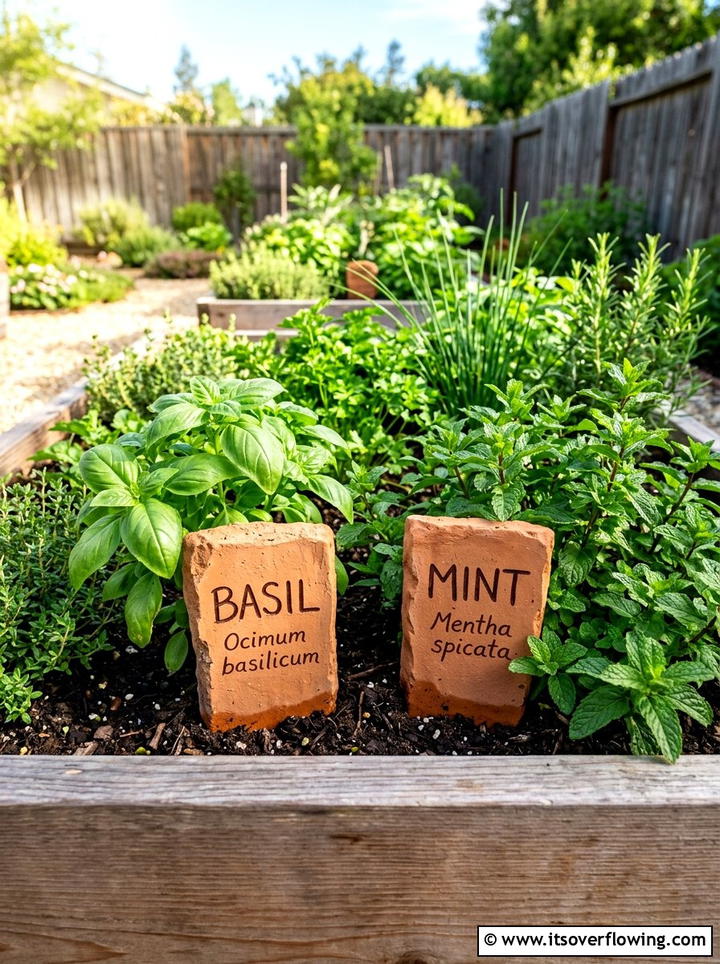
Identifying your vegetables and herbs becomes much simpler and more stylish when you use large shards of terracotta as natural labels. You can write the names of your plants directly onto the smooth surface of the broken pottery using a permanent marker or some outdoor paint. These shards look much more organic and rustic than plastic markers and they blend seamlessly into the soil and greenery. Because terracotta is quite heavy, these labels will stay in place even during heavy rain or wind. It is a very practical way to organize your garden while giving a second life to your old broken planters.

4. Tiered succulent planter
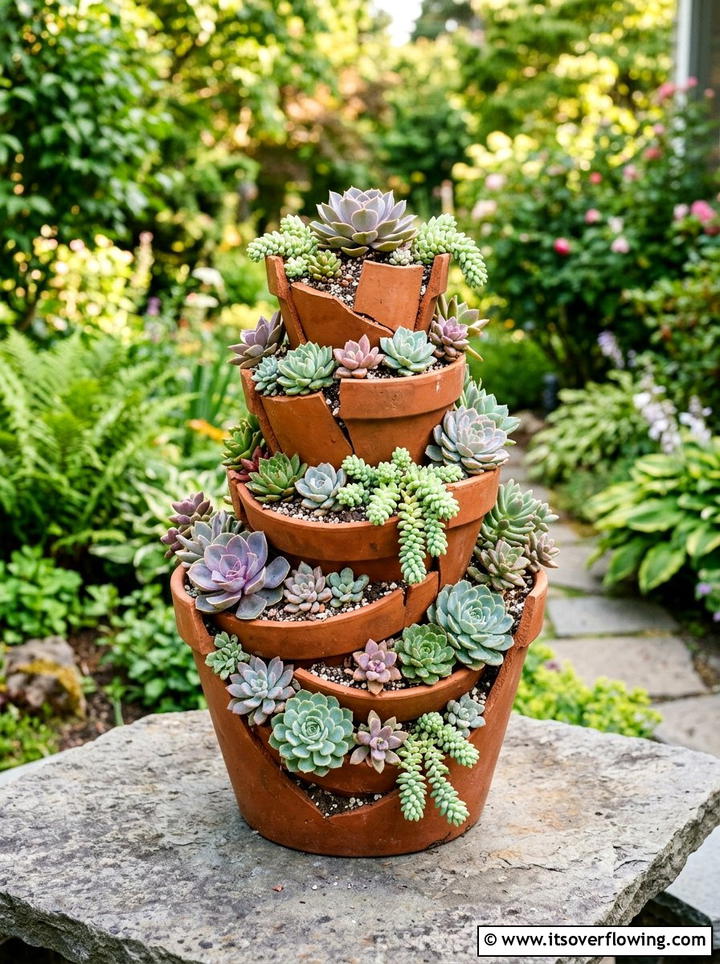
A tiered succulent planter uses the shards of a broken pot to create different elevations for a variety of desert plants. By wedging the broken pieces firmly into the soil of a larger pot, you create pockets where different species can thrive. This setup is perfect for mixing colors and textures, such as combining trailing sedums with upright echeverias. The natural orange hue of the clay complements the green and blue tones of the succulents perfectly. This arrangement works well as a centerpiece on an outdoor dining table or as an accent piece on a sunny porch or garden shelf.
5. Broken pot garden edging
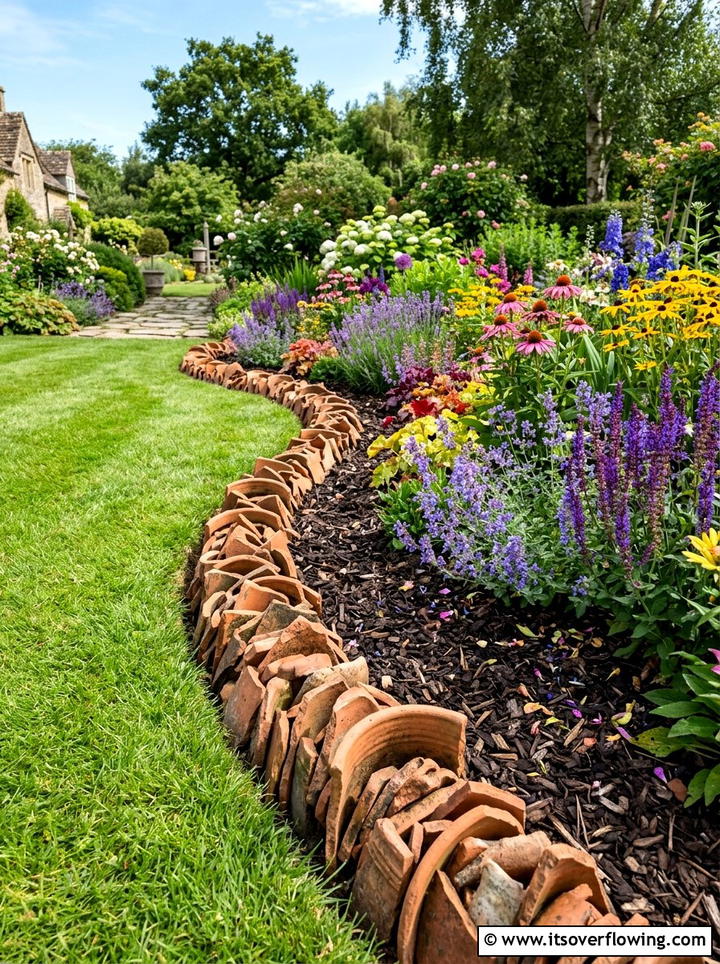
Using broken pot pieces to create a border for your flower beds is a clever way to add texture to your landscape. You can push the shards into the ground with the curved edges facing upward to create a unique and jagged silhouette. This helps to keep mulch in place and clearly defines the transition between your lawn and your planting areas. It is an affordable alternative to expensive stone or plastic edging and adds a rustic, cottage-core vibe to the garden. The varied sizes of the pieces make the border look artistic and hand-crafted rather than mass-produced or boring.
6. Miniature succulent landscape
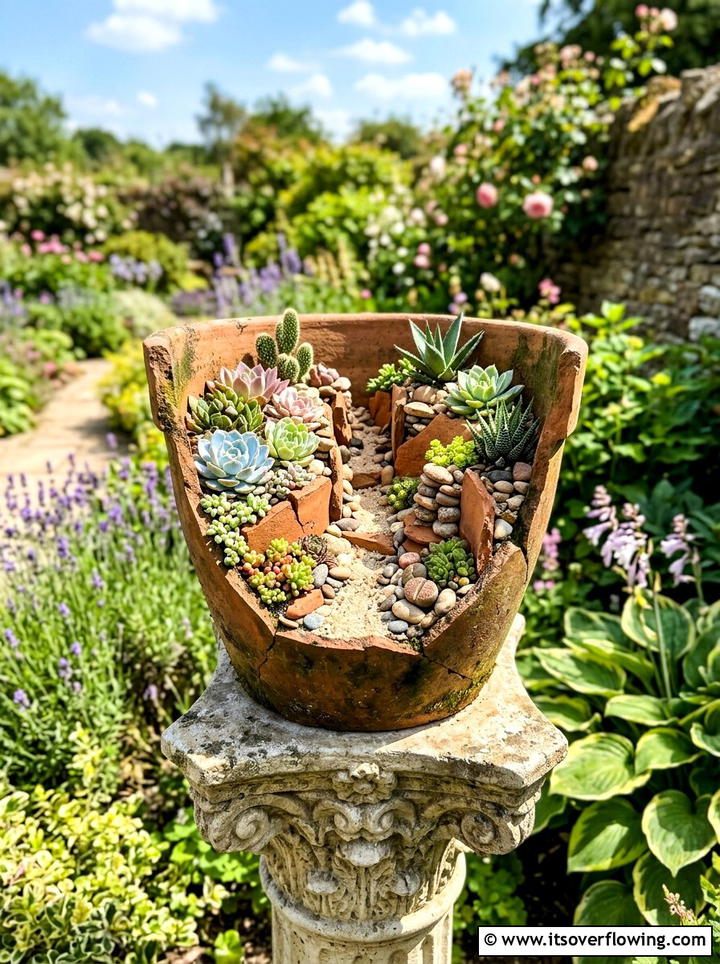
A miniature succulent landscape focuses on creating a tiny desert scene within the confines of a broken vessel. You can use sand, small pebbles, and larger pot shards to mimic the look of a rugged mountain range or a dry canyon. By choosing dwarf succulent varieties, you keep the scale appropriate for the size of the container. This type of project is very low-maintenance because succulents require very little water and thrive in the well-draining environment that a broken pot naturally provides. It is an excellent way to showcase your creative skills and appreciation for small, detailed natural plant life.
7. Toad house for garden
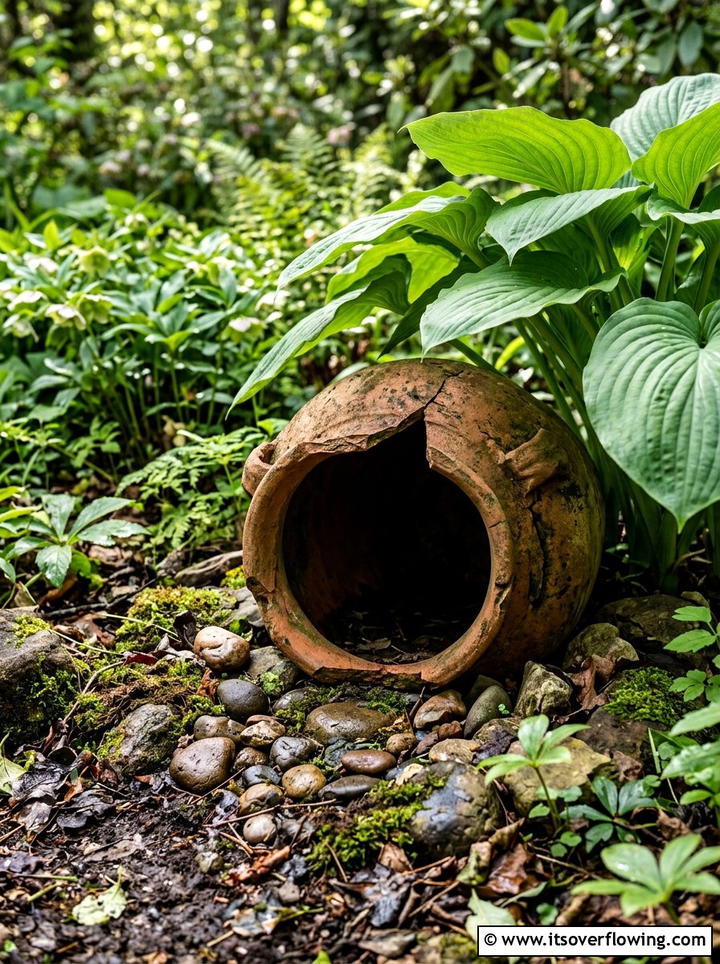
Providing a safe haven for beneficial garden residents like toads is easy with a broken terracotta pot. You can flip a large broken pot upside down or prop it up on its side to create a cool, damp entryway for these creatures. Toads are wonderful for your garden because they eat many common pests like slugs and harmful insects. Tucking the pot under some leafy plants or in a quiet, shady spot will make it even more inviting. This functional decoration adds a touch of charm to your garden while supporting the local ecosystem and keeping your plants much healthier.
8. Butterfly water station
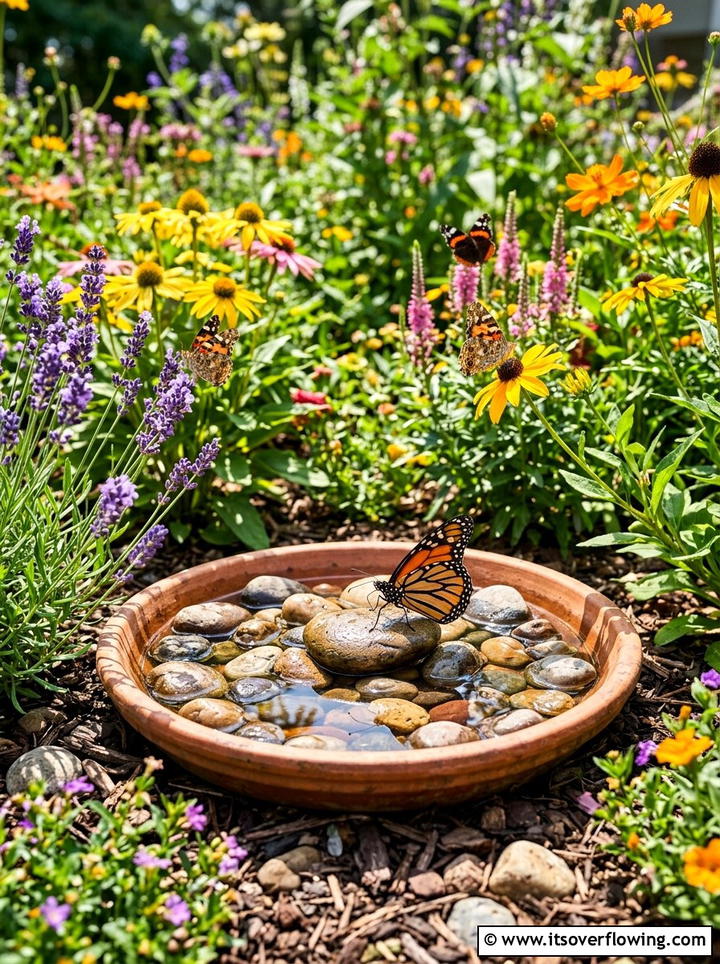
Butterflies need a shallow place to land and drink water without the risk of drowning in deep bird baths. You can fill the bottom of a broken pot or a large shard with pebbles and just enough water to keep the stones wet. Placing this in a sunny spot near pollinator-friendly flowers will attract a variety of colorful butterflies to your backyard. The rough surface of the terracotta provides a great grip for their tiny legs. Adding a pinch of sea salt to the water can also provide them with essential minerals. This simple addition makes your garden a true pollinator sanctuary.
9. Cracked pot herb garden
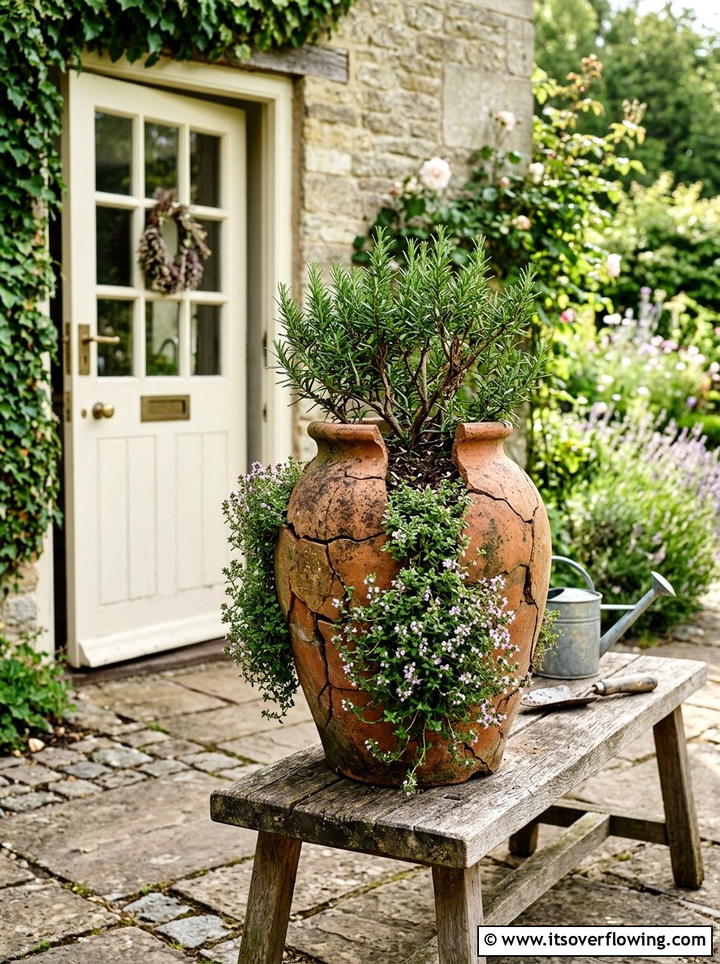
Growing a small collection of herbs in a cracked pot is both practical and visually appealing for any kitchen garden. You can use the cracks to your advantage by planting trailing herbs like thyme or rosemary so they spill out from the sides. This method allows you to grow multiple types of herbs in one container while keeping them separated by the pot’s natural dividers. It is a great way to have fresh seasonings right outside your door for cooking. The weathered look of the broken clay gives the herb garden a timeless, Mediterranean feel that fits perfectly in any sunny outdoor space.
10. Terracotta mosaic stepping stone
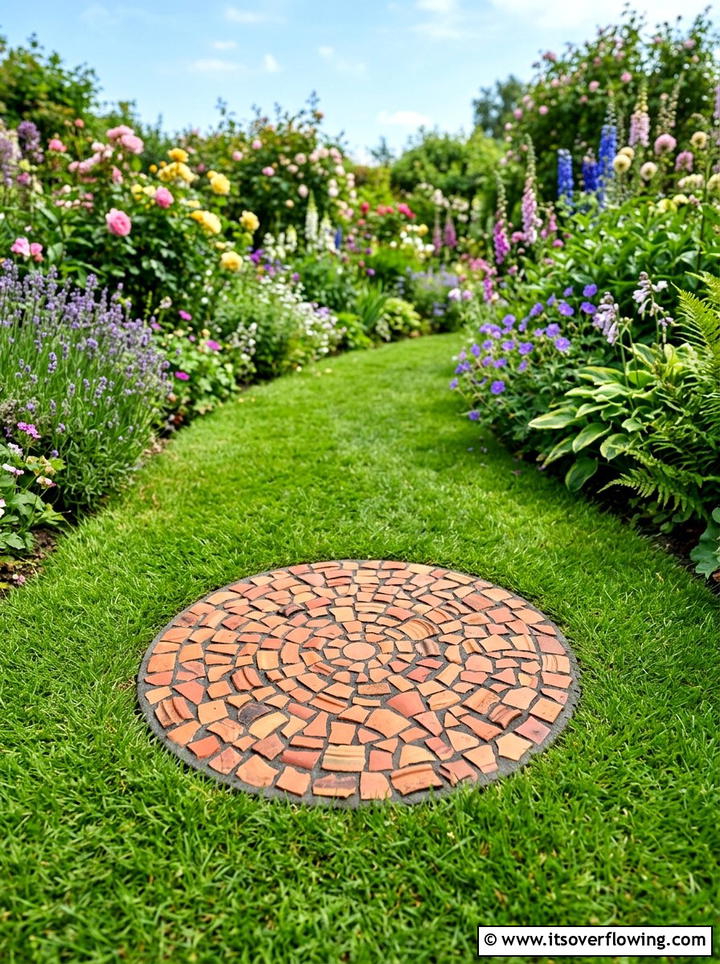
Small fragments of broken pots can be recycled into beautiful and durable mosaic stepping stones for your garden paths. You simply press the colorful shards into a wet concrete mold to create intricate patterns or simple geometric designs. Once the concrete dries, you have a sturdy and decorative stone that can withstand heavy foot traffic and various weather conditions. The warm tones of the terracotta shards contrast beautifully with the grey concrete and the green grass of your lawn. This project is a great way to use up even the smallest pieces of pottery that might otherwise be thrown away.
11. Broken pot drainage layer
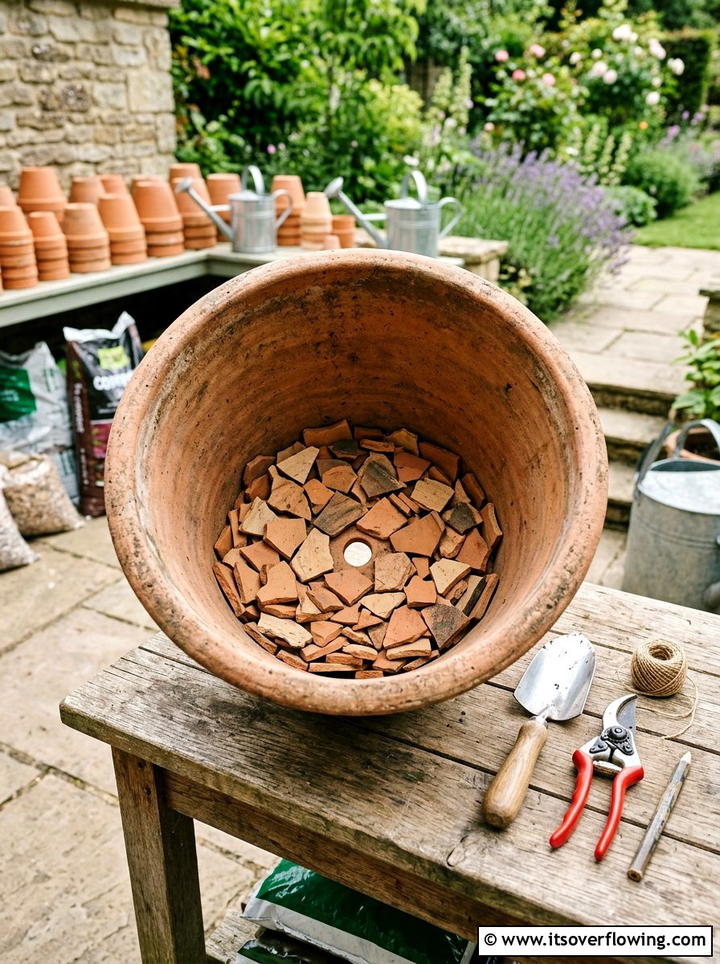
One of the most practical uses for broken pot shards is placing them at the bottom of other containers. These pieces create a coarse layer that prevents soil from clogging the drainage holes while allowing excess water to escape freely. This is essential for preventing root rot and keeping your container plants healthy and vibrant throughout the growing season. Instead of buying expensive gravel or specialized drainage liners, you can use what you already have on hand. It is a hidden but very effective way to recycle materials and improve the overall longevity of your entire potted plant collection.
12. Tiered flower tower
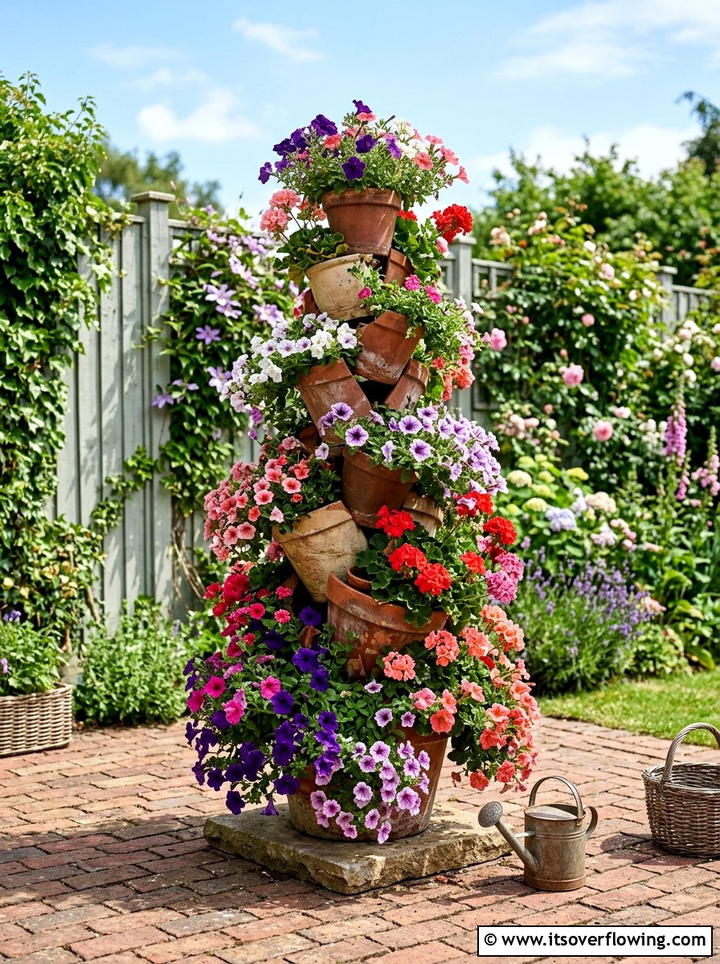
A tiered flower tower is a vertical garden masterpiece that can be built using several broken pots of different sizes. By stacking the pots and using shards to stabilize the levels, you can create a high-impact floral display in a very small footprint. This is an ideal solution for small balconies or narrow garden paths where floor space is limited. You can plant a different color of flower on each level to create a rainbow effect or use all one color for a bold statement. The height of the tower makes it a striking visual element that draws the eye upward.
13. Succulent wall art
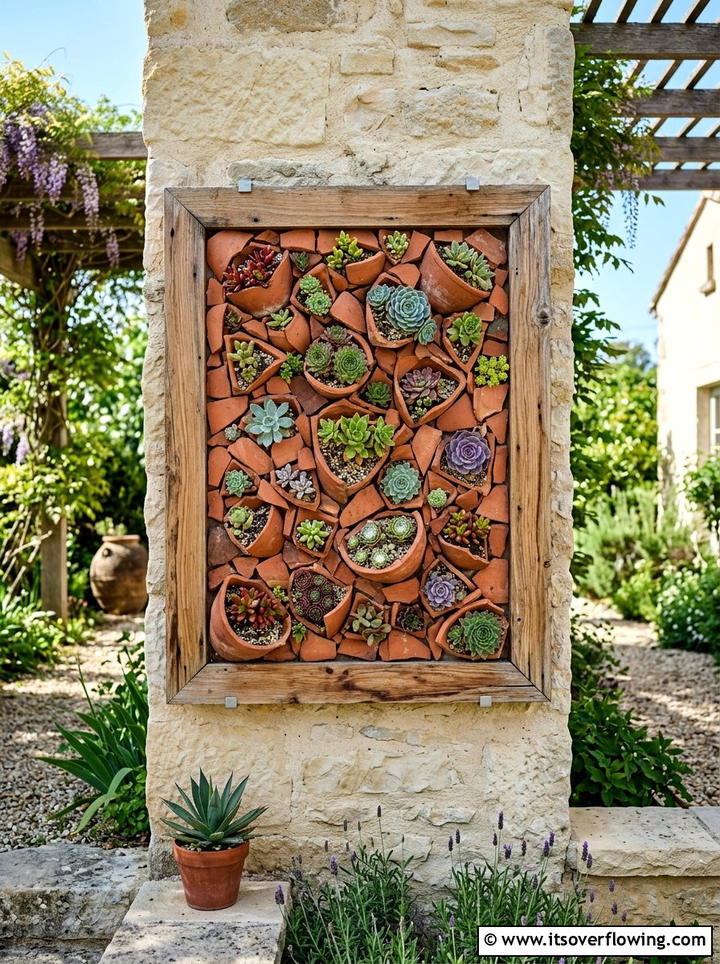
You can mount large shards of broken pots onto a wooden frame or a stone wall to create unique vertical succulent art. By filling the curve of the shard with a little moss and soil, you create a tiny pocket for a hardy succulent to grow. When several of these are arranged together, they look like a living gallery of natural textures and colors. This is a brilliant way to decorate a bare exterior wall or a wooden fence that needs some extra life. It turns broken trash into a sophisticated piece of outdoor decor that will surely impress all your visitors.
14. Broken pot staircase garden
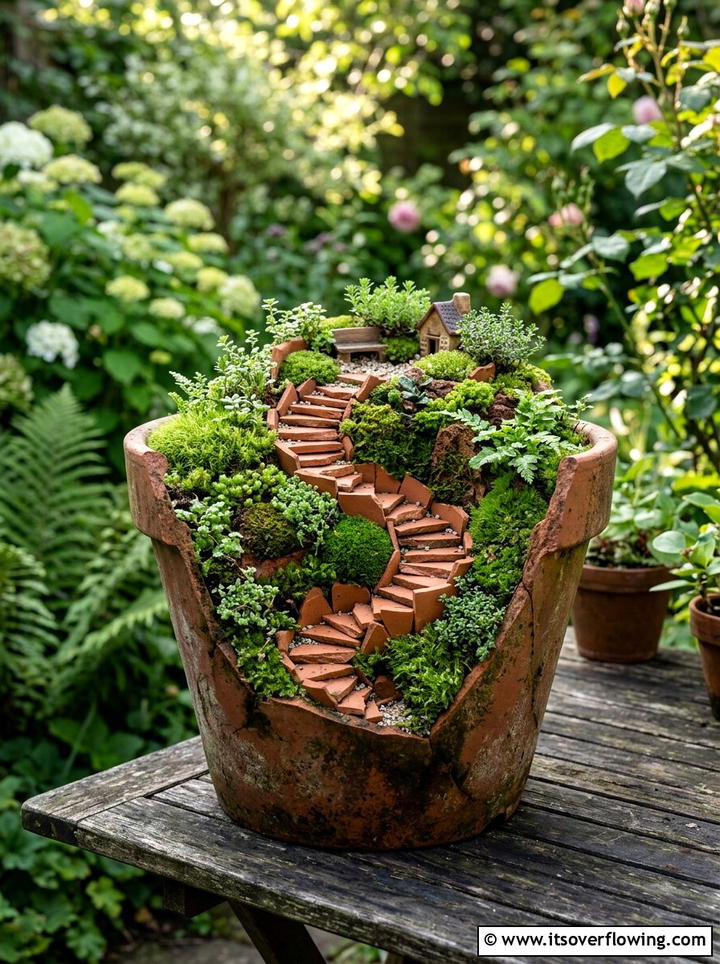
If you have a pot that has broken in a spiral or stepped pattern, you can use the pieces to build a miniature staircase. This staircase can lead up to a small figurine house or simply serve as a decorative element within a larger planter. Planting tiny creeping plants like baby’s tears around the steps makes the structure look like it has been part of the landscape for decades. This idea adds a lot of depth and vertical interest to your container gardens. It is a very creative way to use shards that might seem too irregular for other types of projects.
15. Bird feeder from old pots
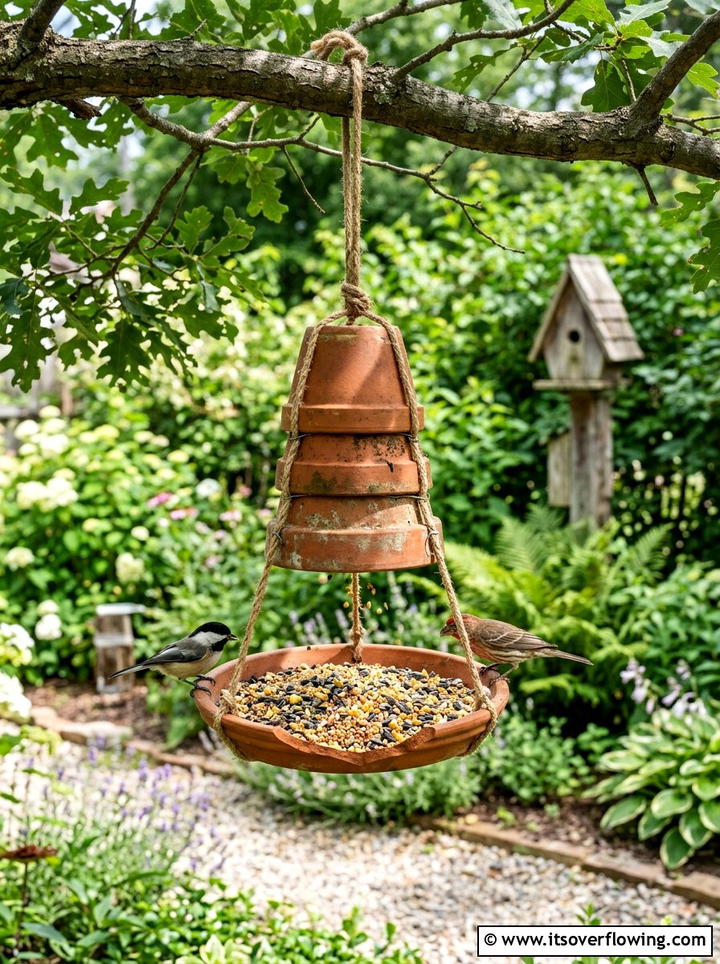
Repurposing broken pots into bird feeders is a wonderful way to invite feathered friends into your outdoor living area. You can use a shallow shard as a feeding platform or hang a larger broken piece from a sturdy tree branch. Filling the shard with birdseed or suet will provide a reliable food source for local birds throughout the year. The natural material blends in with the trees and doesn’t look out of place like some plastic feeders might. Watching the birds visit your handmade feeder adds a sense of peace and activity to your daily garden experience and nature views.
16. Terracotta rock garden accent
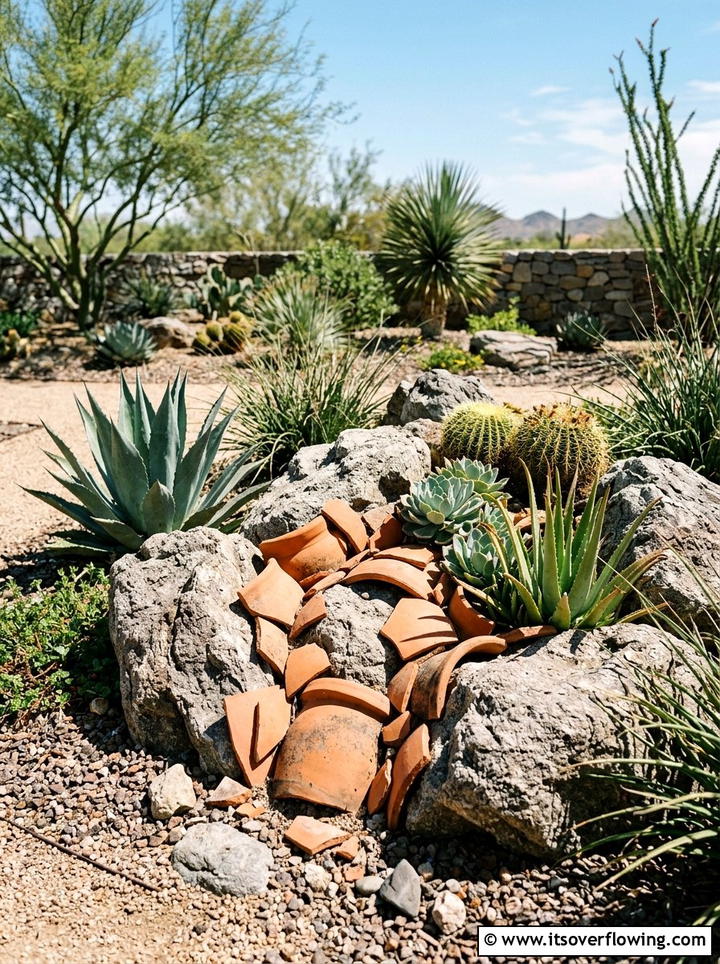
Broken pot pieces can be used as artistic accents within a larger rock garden or xeriscape. By tucking the shards among natural stones and drought-tolerant plants, you add a pop of warm color and a human touch to the landscape. The orange clay provides a nice contrast to grey granite or white river rocks commonly used in these areas. It looks especially good when the shards are partially buried to make them look like ancient artifacts emerging from the earth. This technique is very subtle but adds a great deal of character and layers to your outdoor rock arrangements.
17. Large shard plant identifier
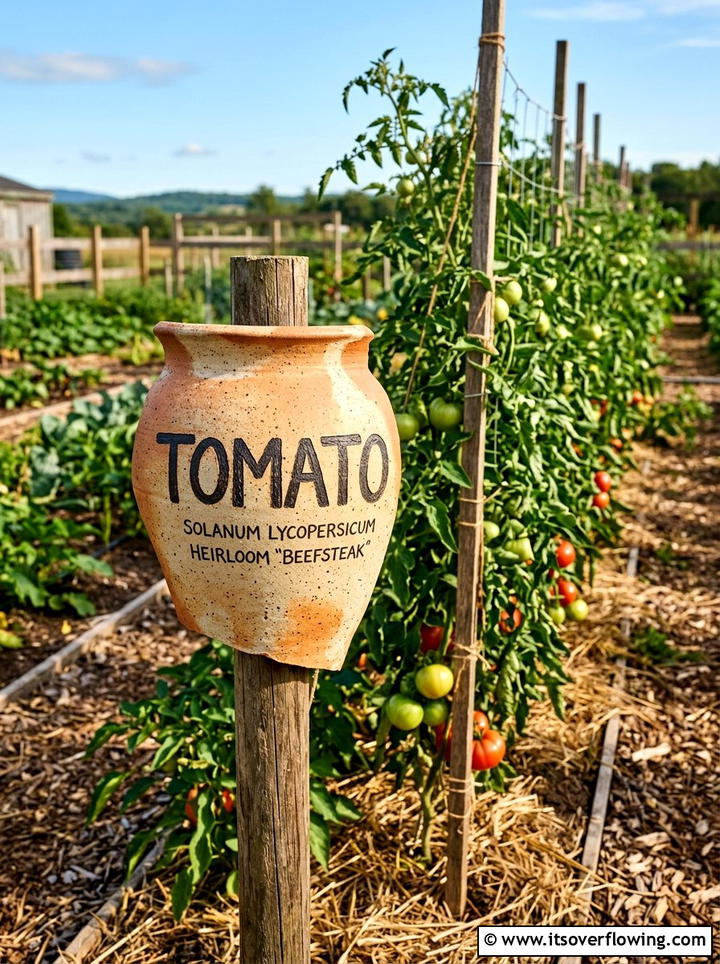
Large shards from the sides of a broken pot are perfect for creating oversized plant identifiers for your vegetable patches. You can use large, bold lettering to label your tomatoes, peppers, or squash so they are easy to see from a distance. This is particularly helpful in larger gardens where you might have many different varieties of the same plant growing next to each other. The curved shape of the shard helps it stay upright when pushed firmly into the dirt. These identifiers are durable, weatherproof, and give your garden a very organized and professionally maintained look with minimal effort.
18. Miniature alpine garden
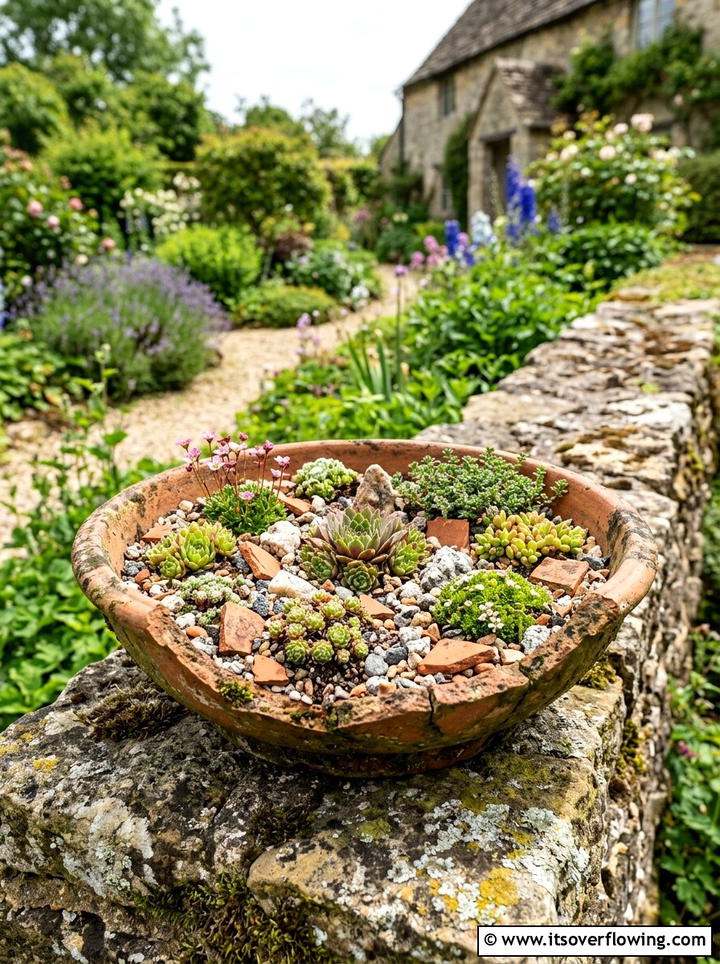
Alpine plants naturally grow in rocky, well-drained environments, making a broken pot the perfect home for a miniature alpine garden. You can use the shards to create tiny crevices and rock faces that mimic a mountain peak. These plants are often very small and have interesting textures that look great when viewed up close. This type of garden is very hardy and can often survive colder temperatures, making it a year-round feature for your patio. The broken edges of the pot add to the rugged, naturalistic feel of this specific style of planting and overall landscape design.
19. Insect hotel from pot shards
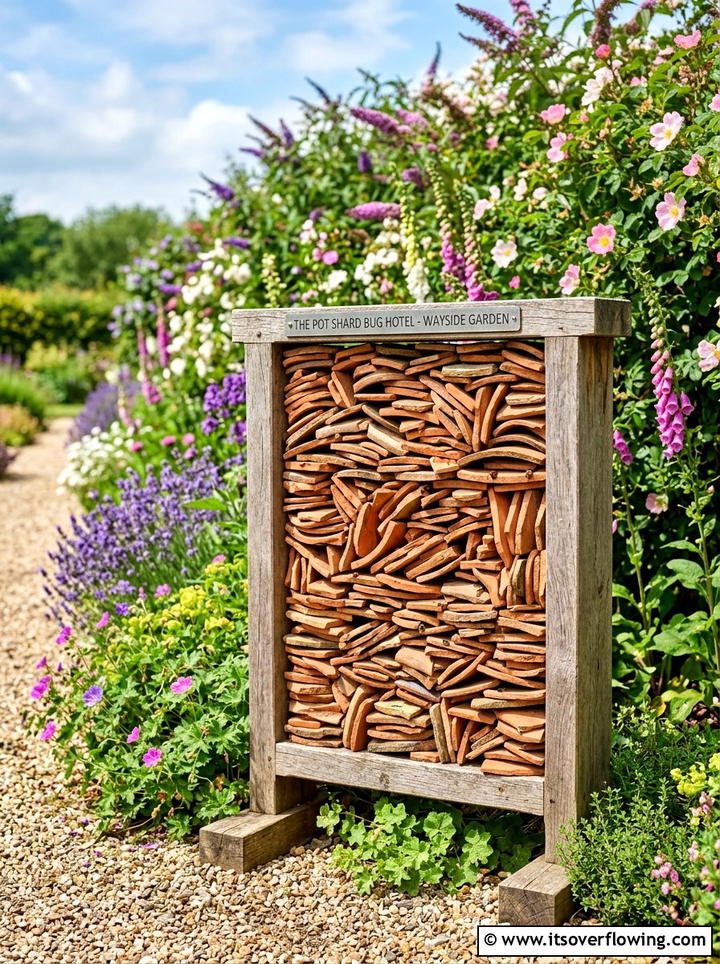
Building an insect hotel with broken pot shards helps provide essential nesting sites for solitary bees and other helpful bugs. You can stack the shards inside a wooden frame or a larger pot, leaving small gaps and spaces between the pieces. These narrow crevices are exactly what many insects look for when they are searching for a safe place to rest or lay their eggs. Promoting insect diversity in your garden helps with pollination and natural pest control. It is a rewarding project that shows your commitment to supporting the environment while also creating a very interesting garden feature.
20. Terracotta candle lantern
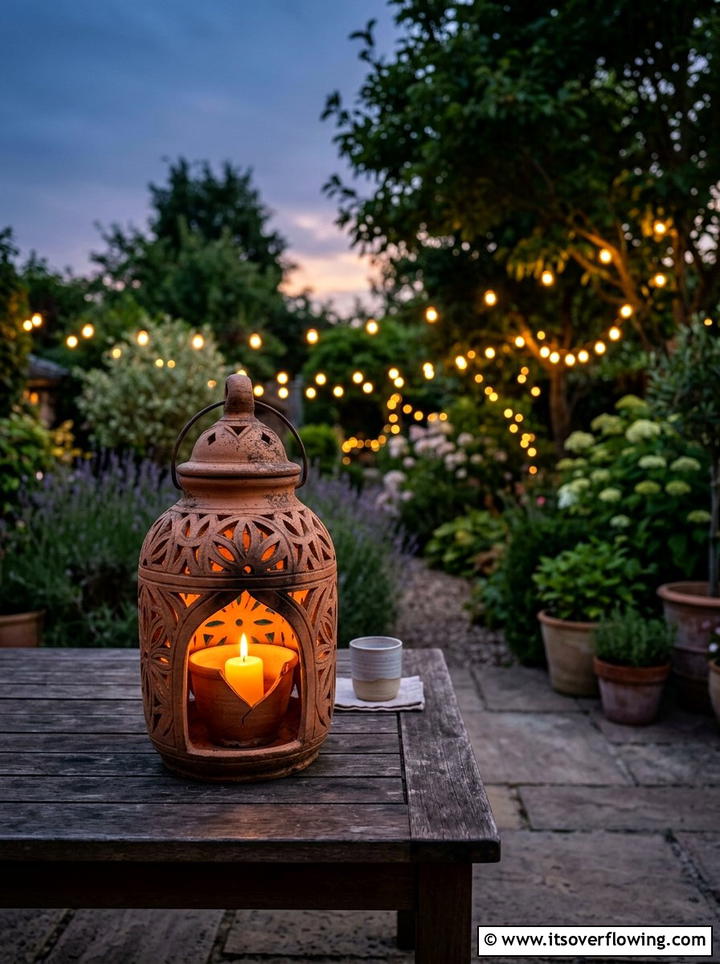
A broken pot can be transformed into a rustic candle lantern that provides a warm glow for your evening garden gatherings. You can place a pillar candle or a tea light inside the base of a broken pot, using the missing side to let the light shine out. The clay walls protect the flame from the wind while the orange terracotta amplifies the warm color of the light. This creates a cozy and inviting atmosphere on your patio or along a garden path at night. It is a simple and inexpensive way to add mood lighting to your outdoor entertainment spaces.
21. Broken pot water feature
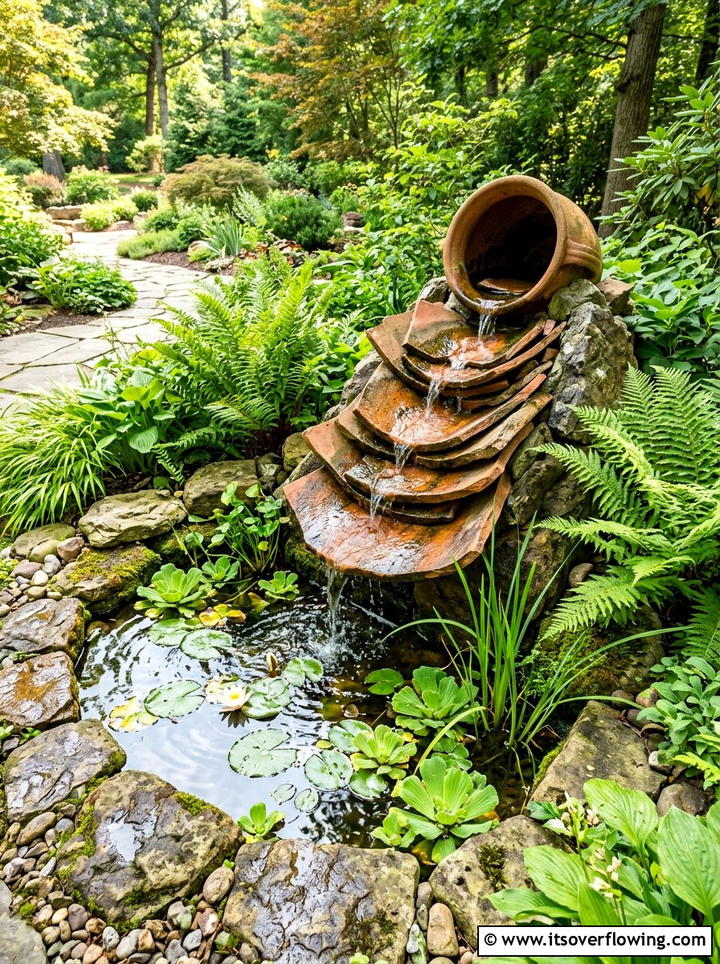
You can incorporate broken pot pieces into a small DIY water feature to create a soothing sound of trickling water. By arranging the shards so that water flows from one piece to the next, you create a miniature waterfall effect. This can be set up in a large basin or a small pond to add movement and sound to your garden. The wet terracotta takes on a deeper, richer color that looks beautiful under the sun. It is a calming addition to any backyard that helps to drown out neighborhood noise and creates a very peaceful and relaxing environment.
22. Miniature succulent bonsai
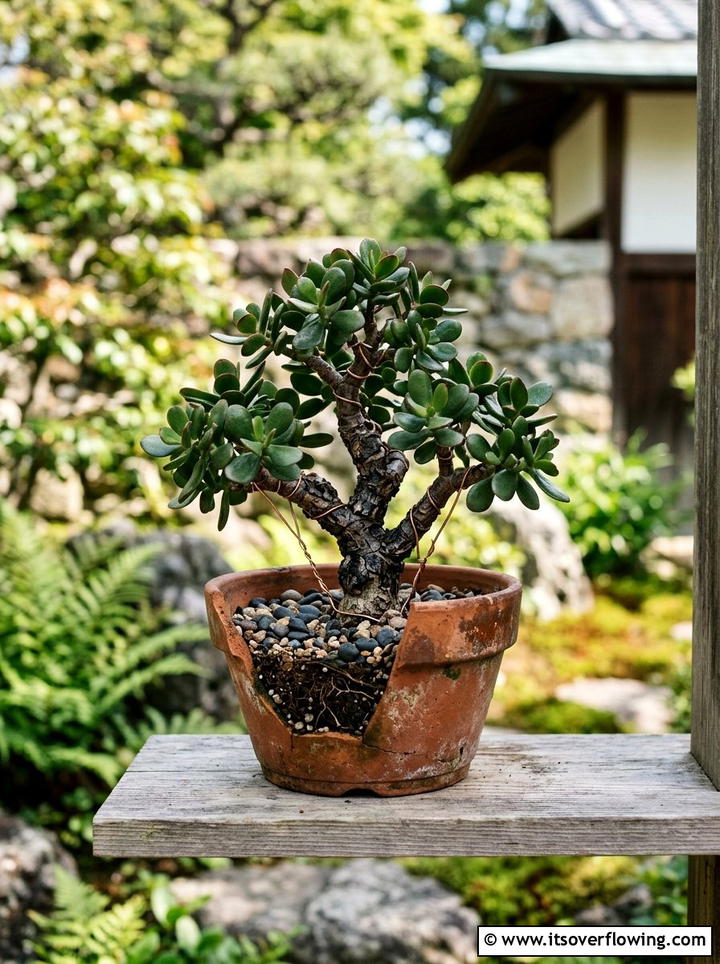
Using a broken pot to create a miniature succulent bonsai is a creative way to practice the art of growing tiny trees. You can select a succulent with a thick, woody stem and plant it in a way that emphasizes its unique shape within the broken container. Using wire and shards to support the plant allows you to style it into a dramatic, windswept look. This project combines the beauty of traditional bonsai with the ease of succulent care. It makes for a very sophisticated decorative piece that looks great on a sunny windowsill or a garden pedestal for all to see.
23. Decorative pot shard mulch
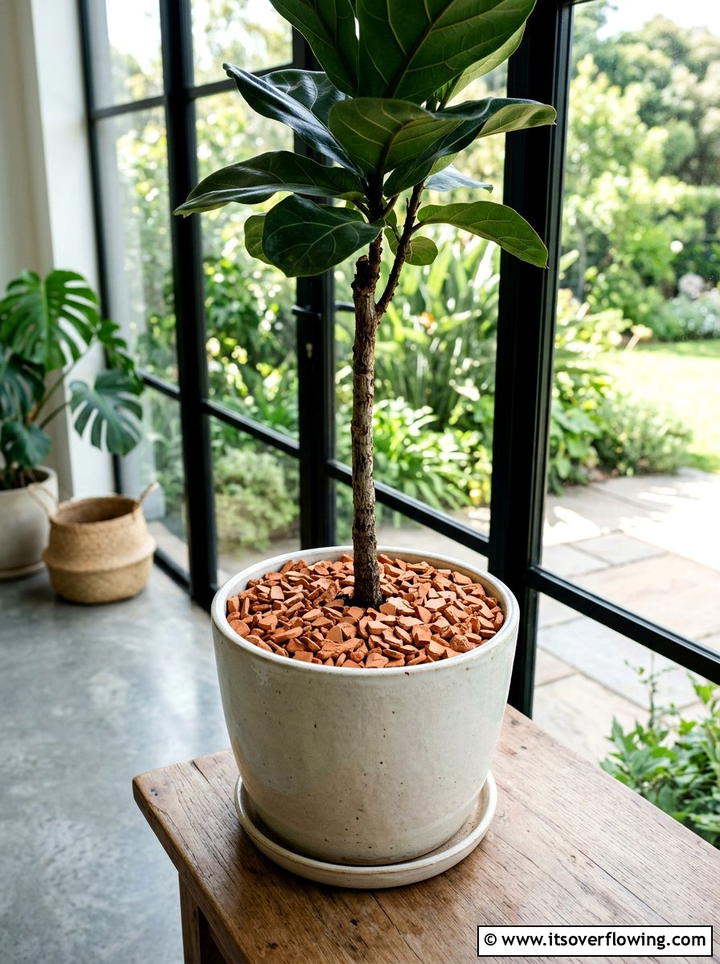
Crushing broken pots into smaller pieces creates a beautiful and long-lasting decorative mulch for your indoor or outdoor plants. This terracotta mulch helps to retain moisture in the soil and suppresses weed growth while adding a professional, finished look to your containers. Unlike wood mulch, terracotta shards do not decompose over time, so you won’t need to replace them every year. The warm color of the clay makes the green foliage of your plants really stand out. It is an excellent way to use up every last bit of a broken pot so that nothing goes to waste in your home.
24. Garden path border
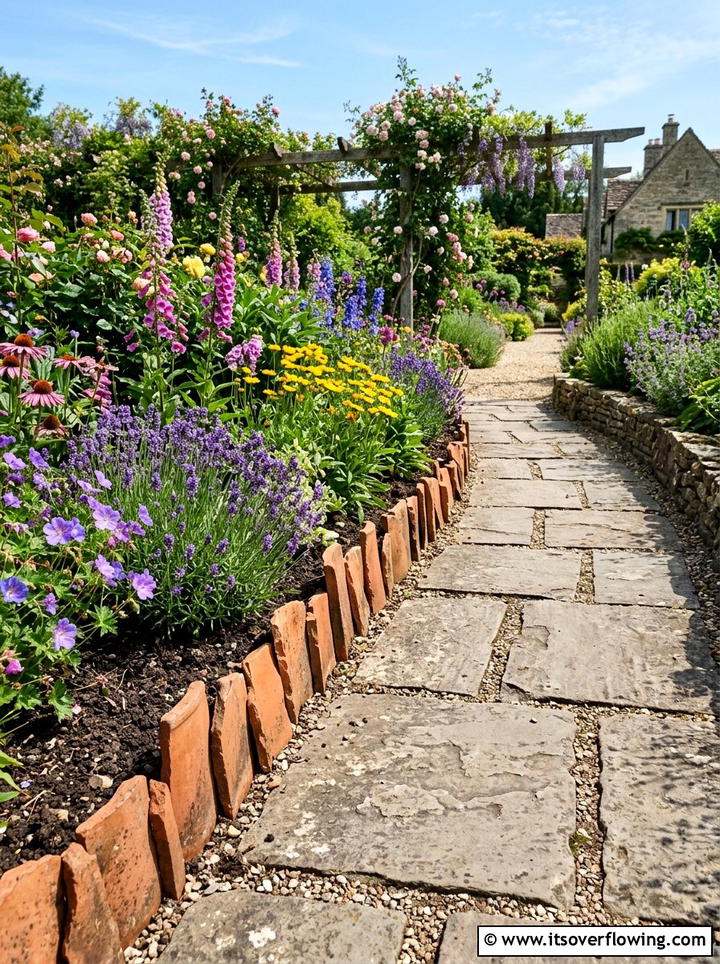
Creating a border along a garden path using broken pot shards is a wonderful way to add visual interest to your walkways. You can line the edges of the path with the shards, placing them at different angles to create a textured and artistic boundary. This helps to guide visitors through your garden and keeps soil from washing onto the path during rain showers. The variation in the size and shape of the pieces gives the border a natural, lived-in feel that complements a cottage or woodland garden style. It is a simple project that makes a big impact on your landscape.
25. Vertical terracotta planter
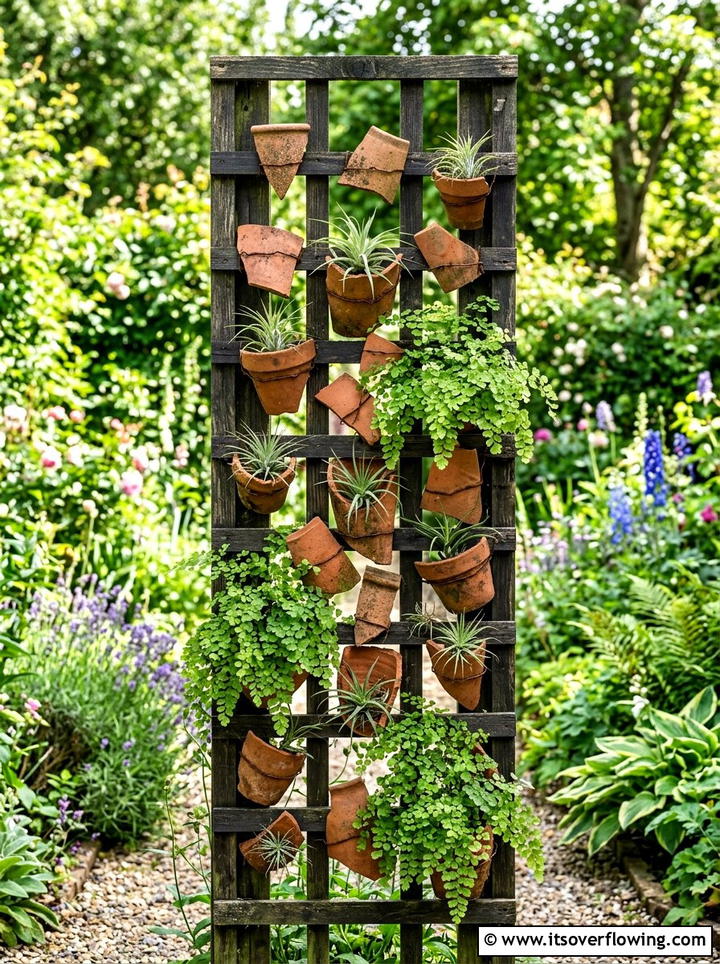
A vertical terracotta planter can be made by attaching broken pot pieces to a sturdy backboard or a garden fence. Each shard acts as a small shelf or pocket where you can tuck in air plants, succulents, or small ferns. This arrangement allows you to grow a variety of plants in a vertical space, which is perfect for maximizing a small garden area. The different shapes of the shards create a dynamic and interesting pattern on the wall. It is a modern and artistic take on traditional container gardening that uses recycled materials to create something truly beautiful and very functional.
Conclusion:
Repurposing broken terracotta pots is a rewarding way to add personality and sustainability to your garden projects. Instead of viewing a cracked vessel as a loss, you can see it as an opportunity to create something entirely new and enchanting. From whimsical fairy gardens to practical plant markers and insect habitats, the possibilities are only limited by your own imagination. These projects not only save money but also help to reduce waste while giving your outdoor space a unique, handcrafted look. By following these ideas, you can transform your backyard into a beautiful and eco-friendly haven that celebrates the beauty of recycled materials.

Related posts:
 25 recycled garden ideas with old kitchenware: Creative DIYs
 25 recycled garden ideas with garden markers: Fun DIYs
 25 recycled garden ideas with pallet wall garden DIYs
 25 recycled garden ideas with aluminum cans: Clever DIYs
 25 recycled garden ideas with chipped dishes: Pretty DIYs
 25 recycled garden ideas with composting: Greener DIYs
 25 recycled garden ideas with egg cartons: Easy Seed DIYs
 25 recycled garden ideas with glass bottles: Chic DIYs
 25 recycled garden ideas with leaf mold bins: Eco DIYs
 25 recycled garden ideas with leftover tiles: Stylish DIYs
 25 recycled garden ideas with logs: Rustic Outdoor DIYs
 25 recycled garden ideas with newspapers: Clever DIYs