
Transforming your outdoor space into a lush sanctuary doesn’t require a massive budget or professional contractors when you embrace vertical growth. Adding height to your backyard creates visual interest and maximizes your growing area, making even the smallest patios feel like expansive botanical retreats. Homemade trellises offer a unique way to personalize your landscape while providing essential support for climbing roses, heavy squash vines, or delicate jasmine blooms. By utilizing affordable materials like bamboo, reclaimed wood, or simple twine, you can craft functional art pieces that serve as the backbone of your garden design. These structures invite nature to climb upward, creating privacy screens and shaded corners that feel cozy and intentional throughout the growing season.
1. Bamboo pole garden trellis
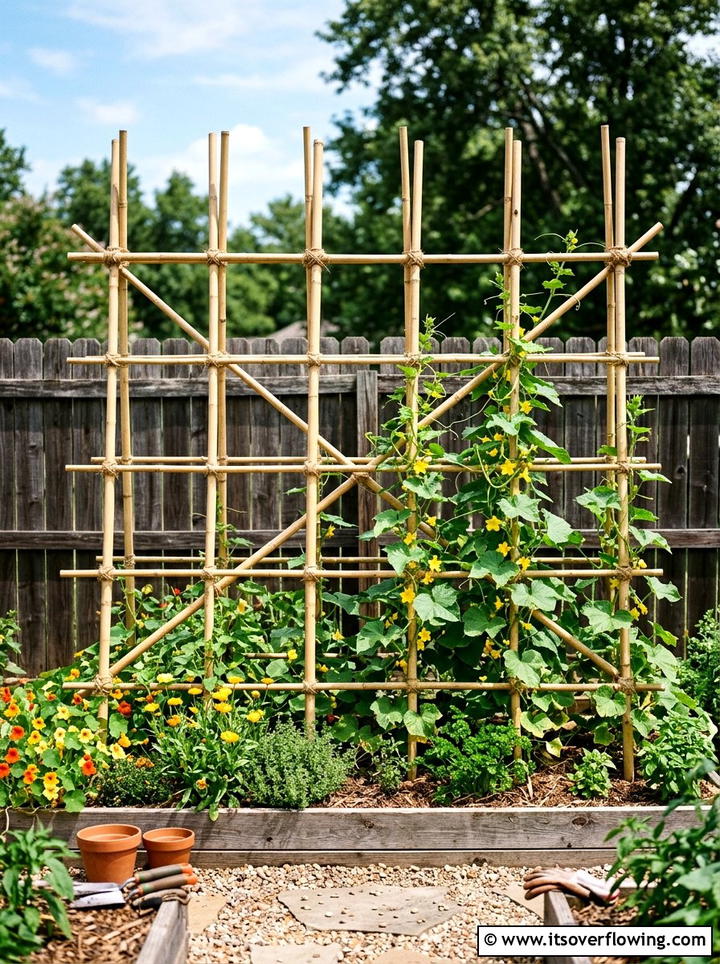
Imagine walking through a backyard where tall, sturdy bamboo poles create a natural and organic framework for your favorite climbing vegetables. Bamboo is an incredibly sustainable material that blends seamlessly into any landscape while providing exceptional strength for heavy vines like cucumbers or pole beans. To build this, you can lash the poles together using simple twine or heavy-duty outdoor zip ties to create a classic A-frame or a flat grid. This design looks particularly beautiful when placed against a sunny fence or in the center of a raised garden bed. The light tan color of the bamboo ages gracefully over time, eventually turning a soft silvery grey that complements the vibrant green leaves of your growing plants.
2. Cattle panel garden arch
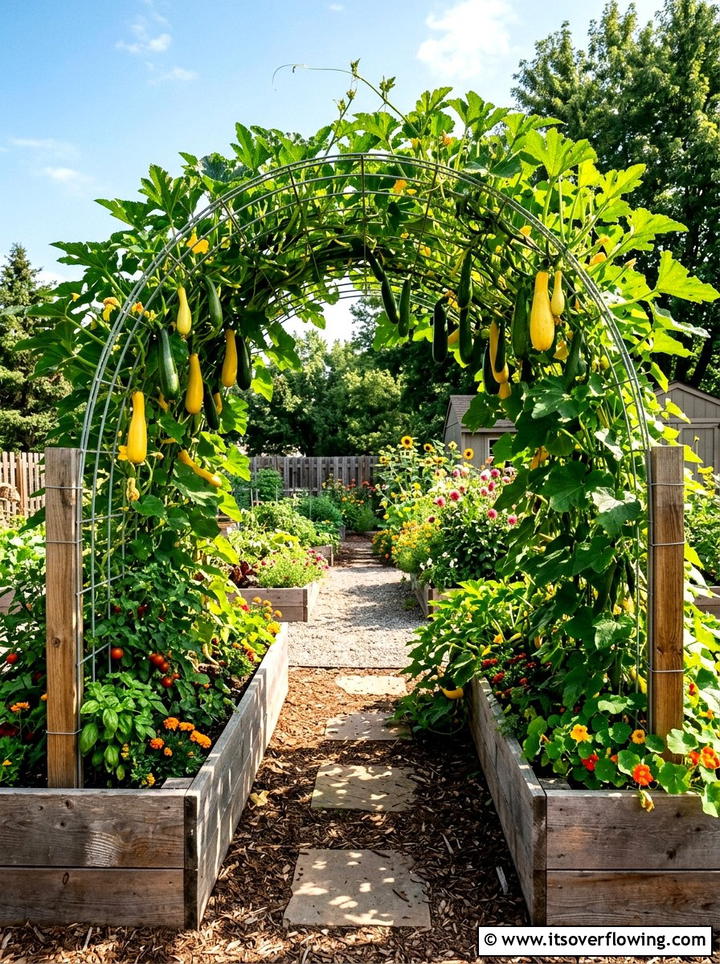
Have you ever dreamed of walking under a living tunnel of lush greenery and hanging gourds right in your own backyard? Cattle panels are surprisingly affordable and offer a heavy-duty solution for creating large, dramatic arches that can span between two raised garden beds easily. These galvanized steel grids are stiff enough to hold their shape but flexible enough to bend into a perfect curve without snapping. Once you secure them with sturdy T-posts, you have a permanent structure that can support massive weight from perennial vines like wisteria or heavy summer squash. This setup maximizes your vertical square footage and creates a stunning focal point that defines different zones within your outdoor living area.
3. Wooden pallet planter wall
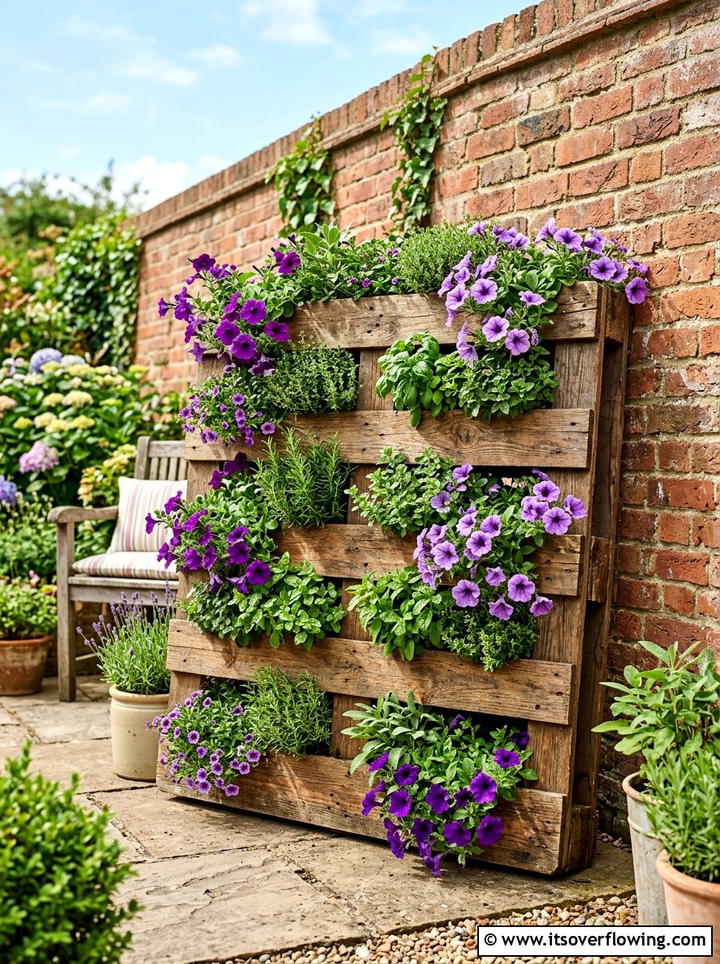
Vertical gardening becomes incredibly simple when you repurpose a standard wooden pallet into a multi-tiered display for herbs and flowers. You can often find these pallets for free behind local businesses, making this one of the most budget-friendly ways to add a trellis to your porch. By attaching landscape fabric to the back and bottom of the slats, you create deep pockets perfect for soil and small root systems. Leaning the pallet against a sunny wall allows trailing plants like strawberries or sweet alyssum to spill over the edges while taller plants grow upward. It is a fantastic way to disguise a boring exterior wall while keeping your fresh cooking herbs within arm’s reach.
4. Cedar branch garden obelisk
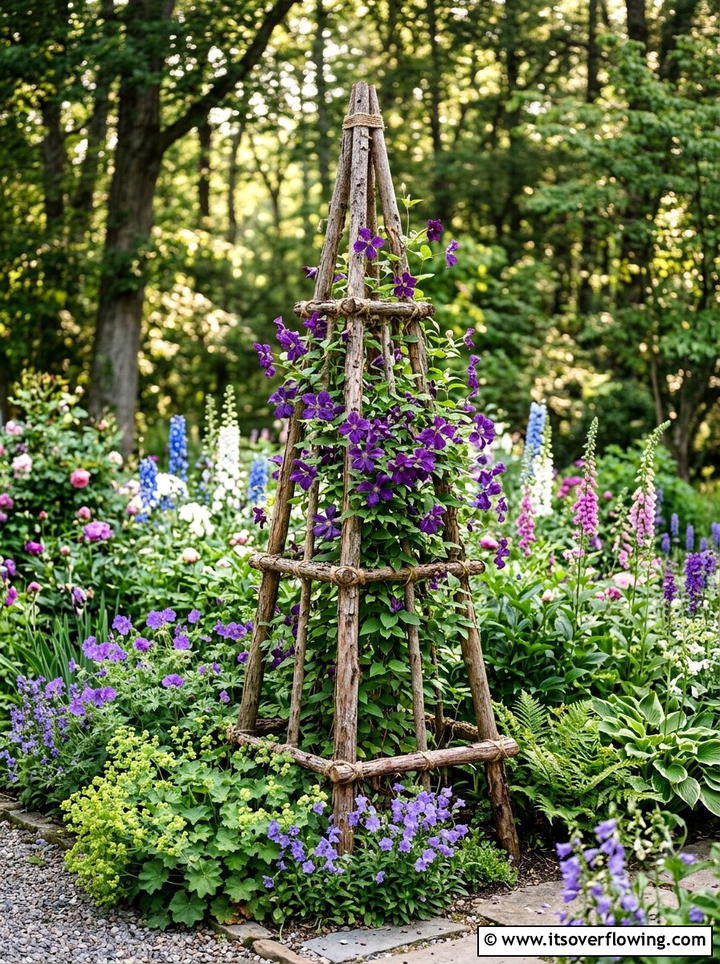
Walking through a woodland-inspired garden often reveals charming, rustic structures made from fallen cedar branches that look like they grew right out of the soil. You can recreate this look by gathering sturdy limbs and tying them at the top to form a tall, pyramid-shaped obelisk. Cedar is naturally rot-resistant, which means your homemade trellis will last for several seasons without any chemical treatments or expensive stains. These towers provide excellent support for flowering vines like clematis or morning glories, allowing them to spiral upward toward the sunlight. The rough texture of the natural bark gives tiny plant tendrils plenty of places to grip, making it much easier for the vines to climb without extra help.
5. Copper pipe vertical trellis
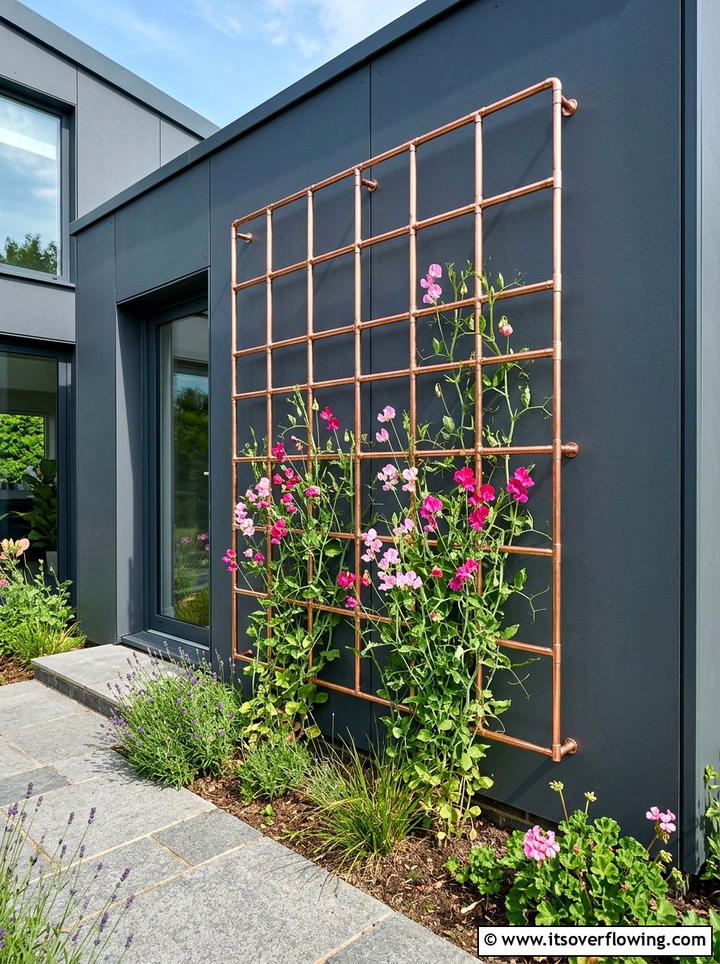
If you love a more modern or industrial aesthetic for your outdoor space, using copper piping can create a sleek and shimmering vertical support system. While copper might seem expensive, using thin-gauge pipes from a hardware store allows you to build a custom grid that develops a beautiful green patina over time. You can easily assemble these pipes using elbow joints and waterproof adhesive to fit the exact dimensions of your garden wall or large planter box. The metallic finish catches the afternoon sun, adding a touch of elegance to your vegetable patch or flower border. This type of structure is particularly effective for supporting lightweight vines like sweet peas or delicate ornamental ivy.
6. Branch teepee plant support
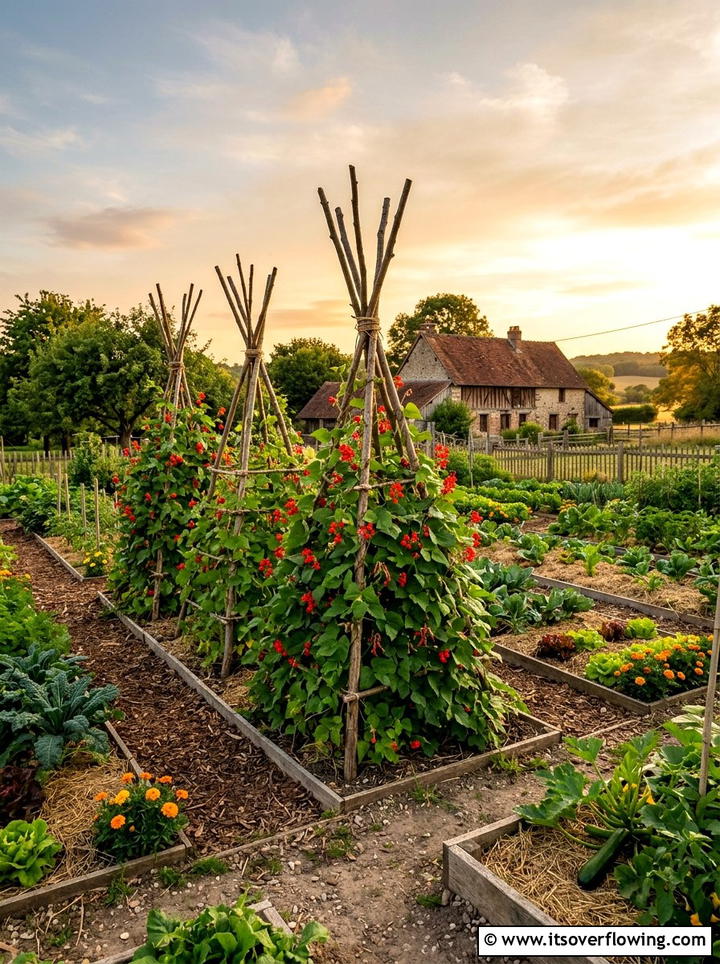
Can you picture a row of rustic branch teepees standing tall in your vegetable garden, covered in bright red runner bean flowers? Creating these conical structures is as simple as gathering several long, straight branches and lashing them together at the peak with some sturdy jute twine. This classic design is incredibly stable against strong winds and provides a large surface area for plants to scramble up from all sides. It is a wonderful project to involve children in, as it creates a secret hiding spot under the leaves once the vines fill in completely. These teepees add immediate height and a sense of whimsy to any backyard layout, regardless of your gardening experience level.
7. Wall mounted wire trellis
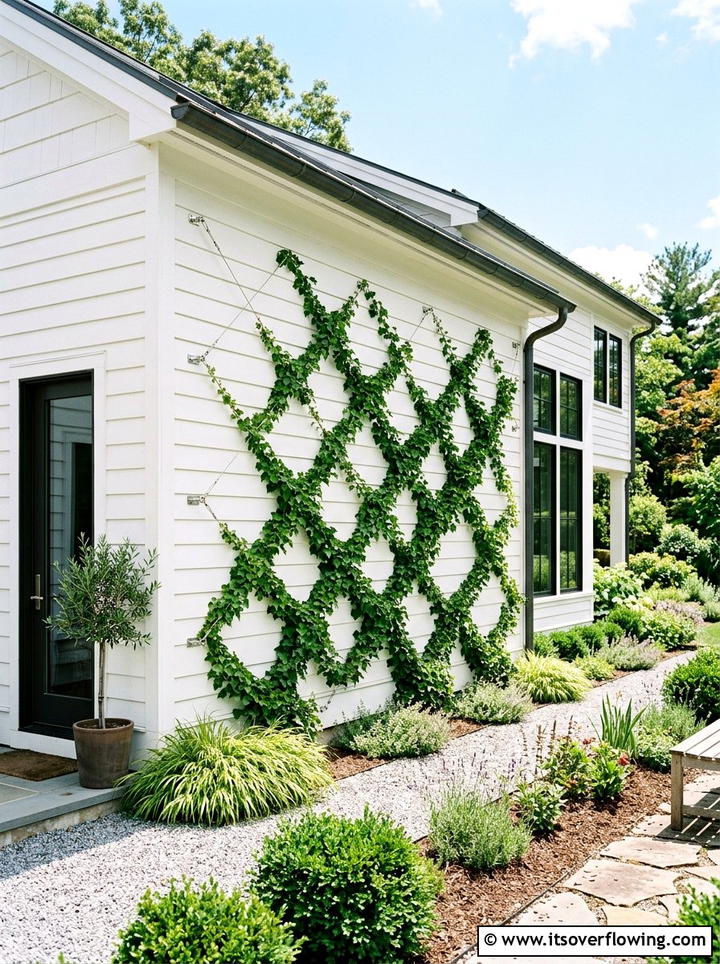
Do you have a large, empty exterior wall that feels a bit too plain and needs some organic texture to soften the look? A wall-mounted wire trellis is a nearly invisible way to encourage plants to cover a vertical surface without the bulk of a heavy wooden frame. By using small eye hooks and high-tension galvanized wire, you can create custom patterns like diamonds or simple vertical lines across your siding or brickwork. This method allows for excellent airflow behind the plants, which helps prevent mildew and keeps your climbers healthy throughout the humid summer months. It is a sophisticated and low-profile solution that highlights the beauty of the plants rather than the structure itself.
8. Upcycled door garden frame
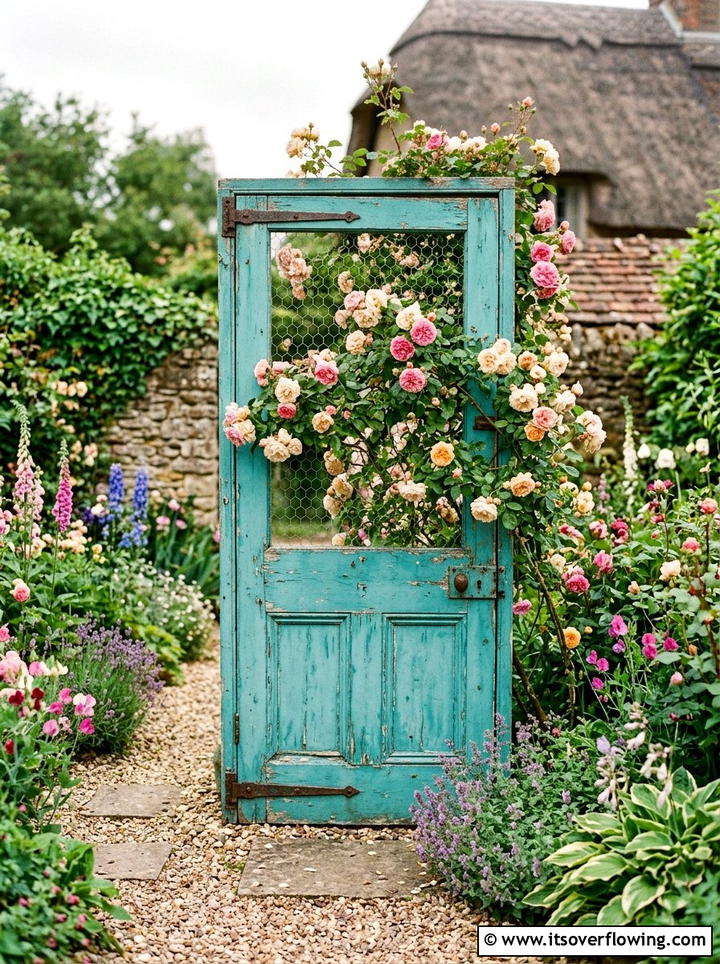
Finding an old wooden door at a thrift store or salvage yard provides a fantastic opportunity to create a vintage-inspired trellis with plenty of character. By removing the interior panels and replacing them with sturdy chicken wire or decorative hardware cloth, you transform a piece of junk into a functional garden masterpiece. You can paint the frame a bold, cheerful color like turquoise or soft sage green to make it pop against your fence or garden shed. This type of trellis works beautifully as a backdrop for a small seating area, providing both privacy and a place for climbing roses to thrive. It adds a touch of historical charm and architectural interest to even the newest suburban landscapes.
9. Recycled bicycle wheel trellis
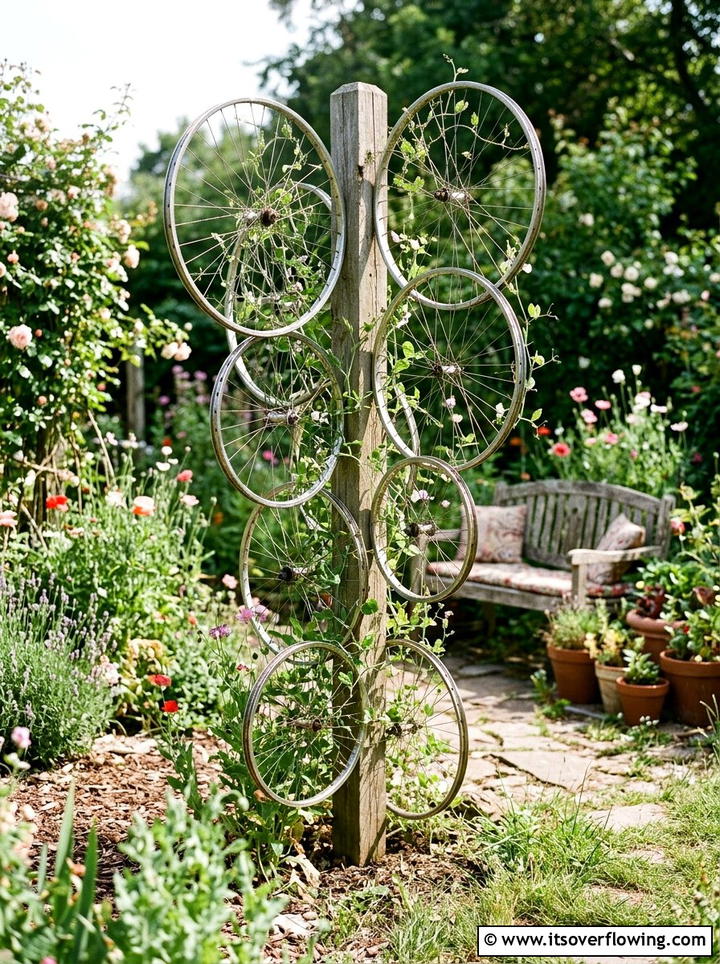
Are you looking for a creative way to reuse old metal parts while giving your garden a quirky, bohemian vibe that guests will love? Old bicycle wheels can be bolted together or attached to a central post to create a circular, spinning trellis that is perfect for lightweight vines. The thin metal spokes provide the ideal diameter for delicate tendrils to wrap around as the plant moves upward. You can stack multiple wheels on top of each other to create a tall tower or hang them along a fence for a repetitive, artistic look. This idea is especially great for peas or small flowering vines that don’t need the heavy support of thick wooden slats.
10. PVC pipe garden structure
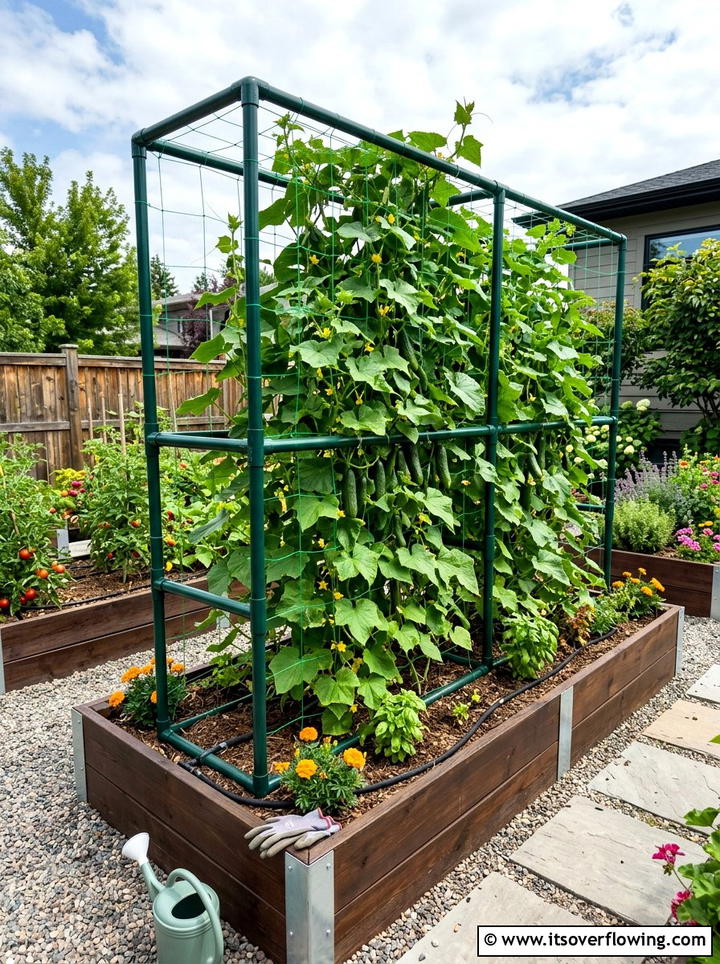
Building a custom garden structure doesn ‘t have to be difficult when you use lightweight and affordable PVC pipes to create your trellis frame. These pipes are easy to cut with a simple hand saw and can be joined together in endless configurations using standard plumbing connectors and primer. To help the plastic blend into your garden, you can spray paint the finished structure a dark forest green or a charcoal grey. By drilling small holes and threading nylon string through the pipes, you create a perfect mesh for cucumbers or squash to climb. This material is completely waterproof and won’ t rot, making it a long-lasting choice for wet climates or automatic irrigation areas.
11. Jute twine wall grid
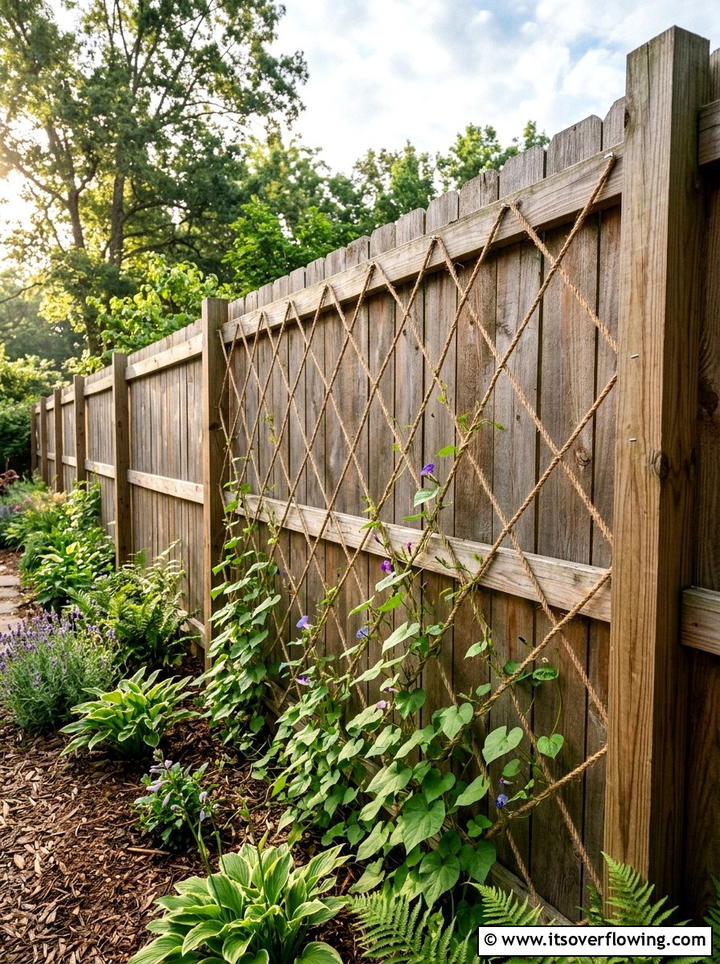
Sometimes the most effective solutions are the simplest ones, and a large grid made entirely of natural jute twine can look incredibly elegant. By placing a series of small nails or hooks along the top and bottom of a fence or wall, you can weave the twine into a tight, geometric pattern. This natural fiber is very affordable and biodegradable, meaning you can simply cut it down and compost it along with your spent vines at the end of the season. The soft brown color of the twine looks beautiful against wood or brick and provides a soft, grippy surface for climbing plants. It is an ideal weekend project for anyone wanting a quick and easy vertical garden fix.

12. Willow branch woven screen
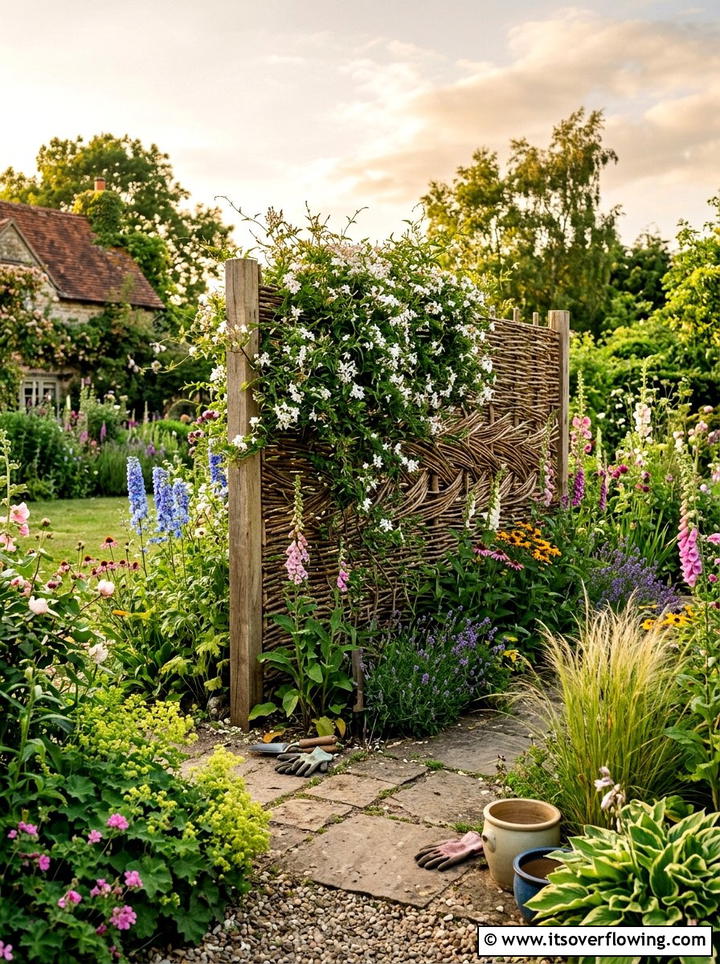
Creating a hand-woven willow screen adds an artisanal, handcrafted feel to your backyard that mass-produced plastic trellises simply cannot replicate at any price point. Fresh willow branches are extremely flexible, allowing you to weave them between vertical stakes to create a sturdy and decorative fence panel. This traditional technique, often called wattle, results in a beautiful organic texture that looks stunning even during the winter months when the leaves have fallen. These screens are perfect for providing a bit of wind protection for delicate plants while giving them a wide surface to climb. The natural variation in the wood colors adds depth and visual interest to your landscape, making it feel like a professional garden.
13. Old ladder plant stand
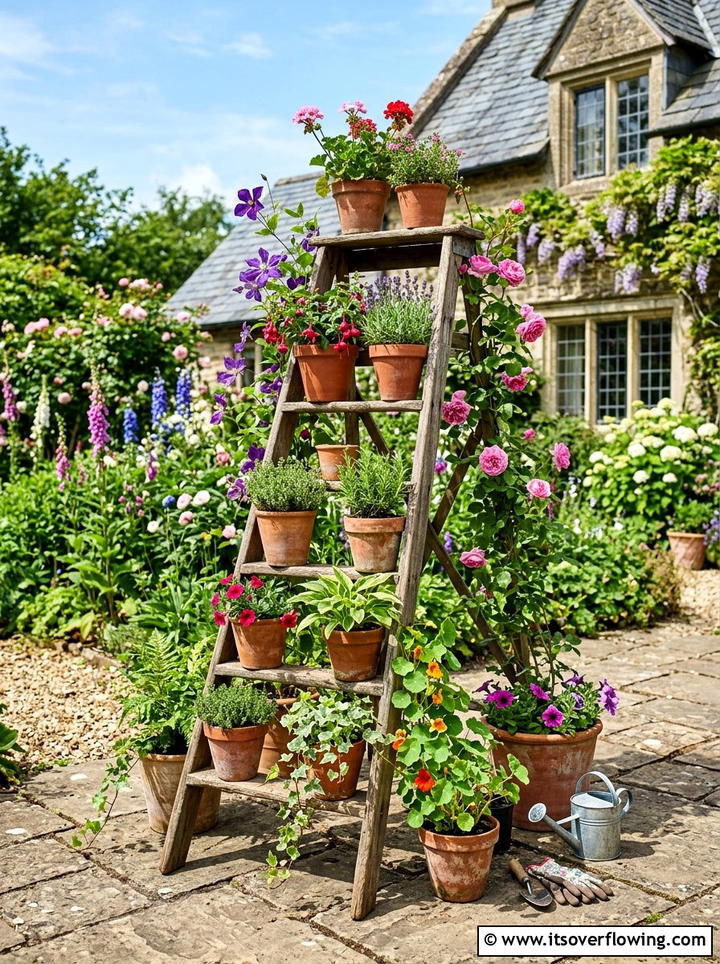
An old wooden or metal step ladder can be instantly transformed into a multi-level trellis and plant display with almost no effort involved. By leaning the ladder against a wall or standing it open in the middle of a flower bed, you create instant vertical tiers for different plant varieties. You can run twine between the rungs to give climbing plants extra support as they make their way toward the top. This setup allows you to mix climbing vines with potted plants on the steps, creating a lush and crowded look that feels very abundant. It is a great way to use vertical space on a patio where you cannot dig into the ground for permanent structures.
14. Rebar garden grid
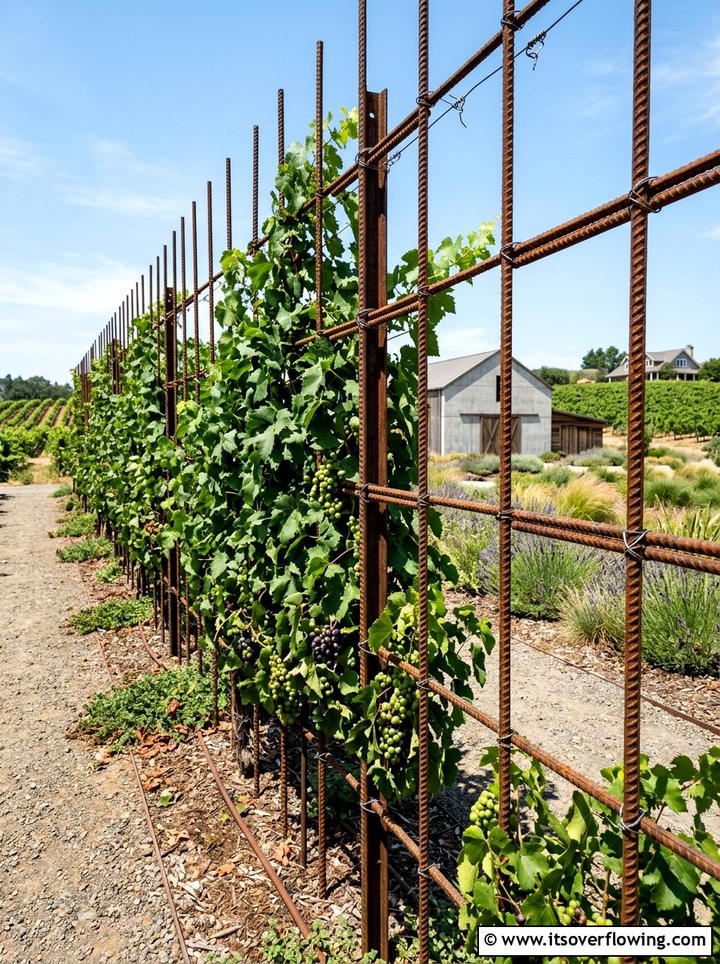
For a truly industrial and nearly indestructible garden support, standard construction rebar is an affordable material that offers surprising versatility and a modern look. You can drive long pieces of rebar into the ground and wire them together to create a tall, slender grid that can handle the heaviest of perennial vines. The textured surface of the metal is perfect for plants to latch onto, and the dark rusty orange color that develops over time looks beautiful against green foliage. This material is heavy and stable, making it a great choice for areas that experience high winds or for supporting heavy fruit like small melons. It provides a minimalist silhouette that doesn’t overwhelm smaller garden spaces.
15. Crib rail garden trellis
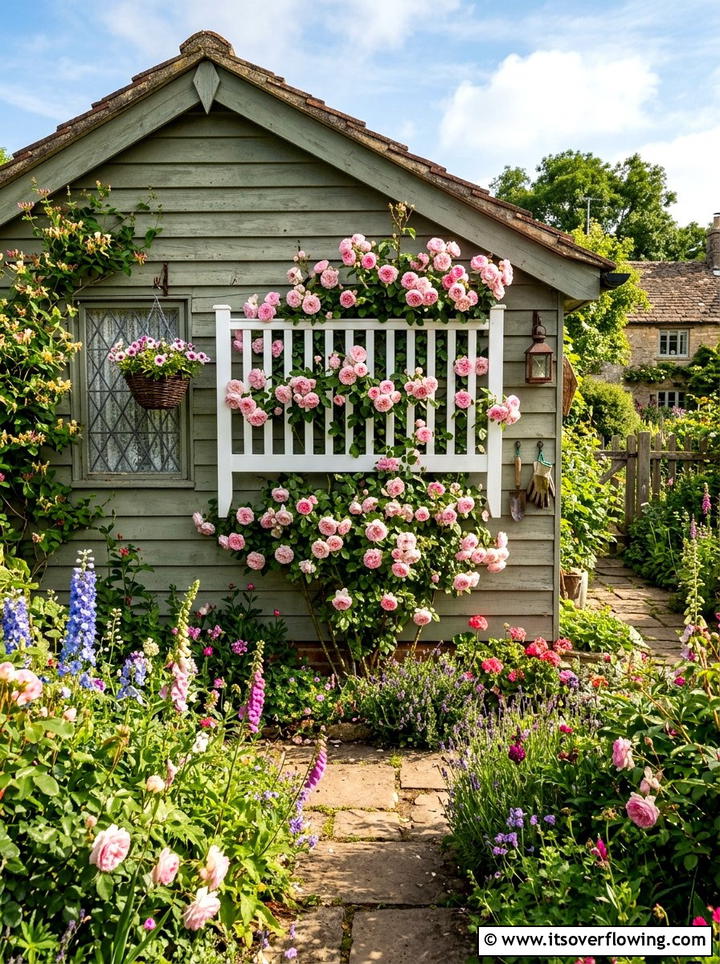
Repurposing the side rails from an old wooden baby crib is a clever way to save money while creating a perfectly spaced lattice for your garden. These rails are typically made of sturdy wood and have pre-spaced slats that are ideal for training climbing roses or jasmine to grow vertically. You can lean them against a fence or attach them directly to the side of a garden shed for a clean and organized look. Since the slats are already evenly distributed, your garden will look professional and symmetrical without you having to measure or cut any wood. A fresh coat of white paint can give it a classic cottage garden feel that looks timeless and inviting.
16. Chicken wire wall frame
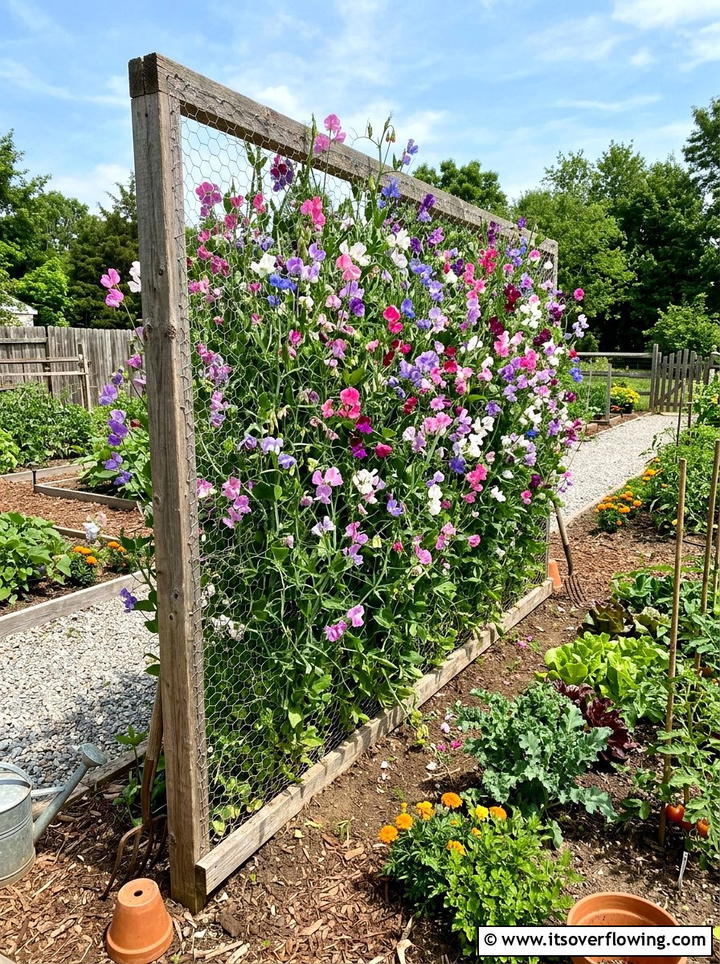
Chicken wire is a staple for budget-conscious gardeners because it is incredibly cheap, easy to work with, and provides a very fine mesh for small climbers. By building a simple rectangular frame out of scrap 2×4 lumber and stapling chicken wire across the center, you create a lightweight trellis that can be moved anywhere. This type of support is perfect for delicate plants like sweet peas or clematis that have tiny tendrils looking for something thin to grab. The silver wire virtually disappears once the plants start to fill in, leaving you with a solid wall of beautiful flowers or greenery. It is a practical and efficient way to maximize your vertical growing space on a tiny budget.
17. Scrap wood garden lattice
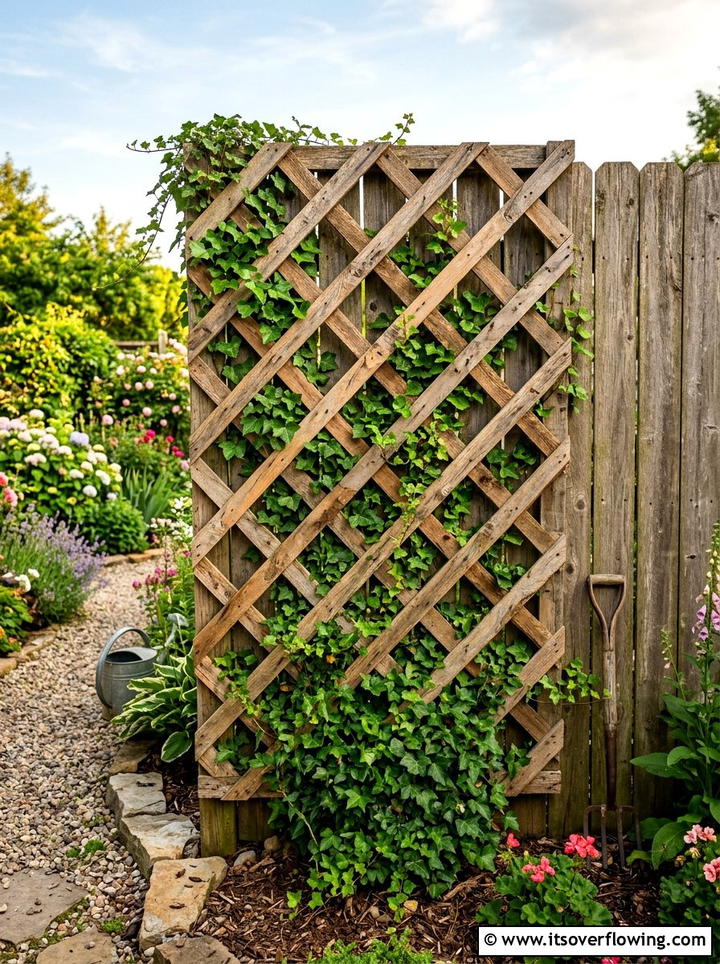
Do you have a pile of leftover wood scraps from a previous home improvement project sitting in your garage or basement? You can easily turn those random pieces of lumber into a custom-sized lattice by overlapping them and securing the joints with a few exterior-grade screws. Creating a classic diamond or square pattern adds a traditional architectural element to your garden while providing plenty of sturdy support for climbing vines. This is a great way to clear out your workshop while adding value and beauty to your outdoor living area. You can leave the wood natural for a rustic look or stain it to match your existing deck or fence for a cohesive design.
18. Tree branch fence panel
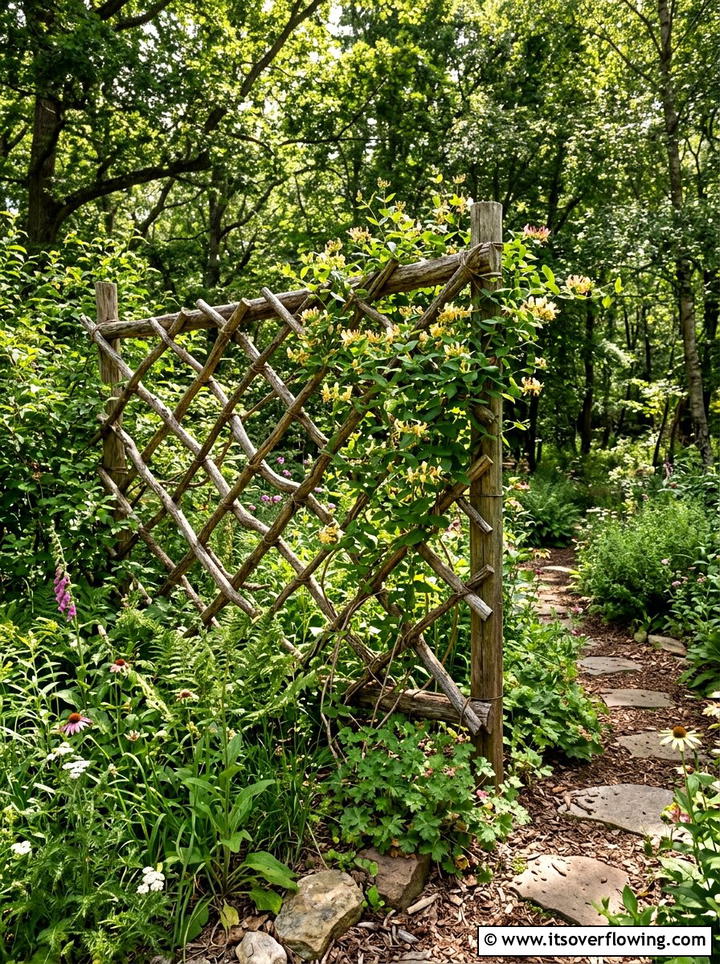
Gathering various sized branches from your yard or a nearby wooded area allows you to create a completely unique and free garden trellis. By nailing the branches together in a random, cross-hatch pattern within a simple frame, you create a piece of functional art that mimics the look of a natural thicket. This style of trellis is perfect for a wilder, cottage-style garden where you want things to look organic rather than perfectly manicured. Birds will often love these structures for perching, adding even more life and movement to your backyard environment. It is a sustainable way to use yard waste while creating a strong and durable support system for your favorite climbing plants.
19. Metal bed frame trellis
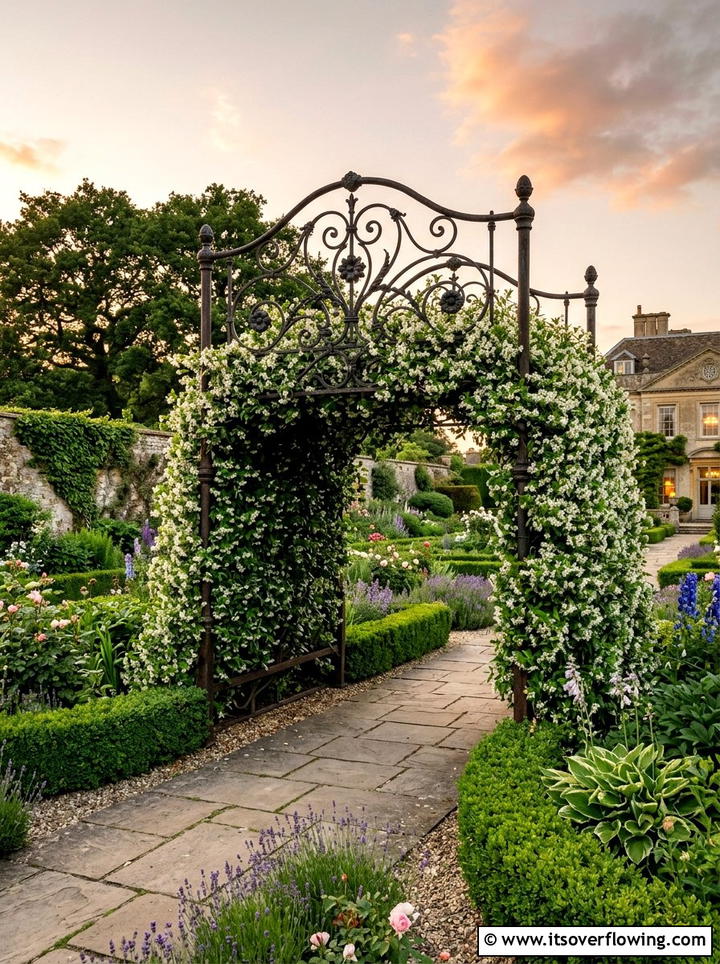
An old metal bed frame, specifically the headboard or footboard, can make a stunning and incredibly durable garden trellis with a vintage flair. Many older frames have beautiful scrolling details or simple geometric lines that look like expensive custom ironwork once they are placed in a garden setting. You can easily sink the legs into the ground for stability and let climbing roses or ivy weave through the metal bars. This is a heavy-duty option that will last for decades and can support even the most vigorous of perennial climbers. It acts as a permanent piece of garden furniture that provides height and historical character to your flower beds or vegetable patches.
20. Garden gate plant support
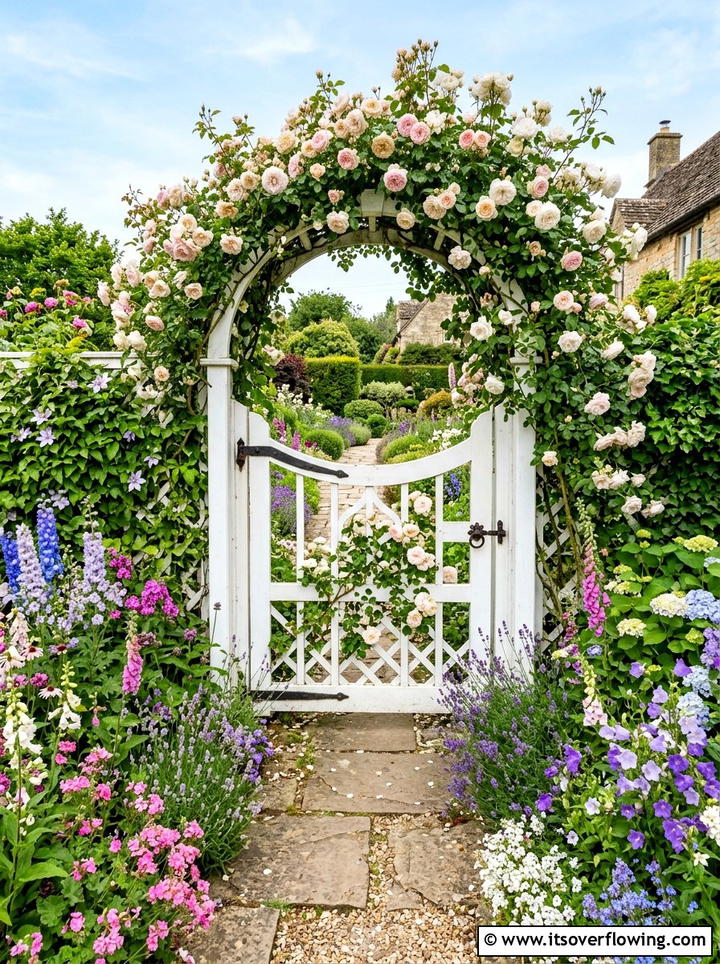
Installing a simple wooden or metal garden gate in the middle of a flower bed can create a charming sense of entry and provide a sturdy trellis. You don’t even need a fence to go with it; a standalone gate creates a focal point that draws the eye and encourages exploration of the space. Flowering vines can be trained to grow up the sides and across the top, eventually framing the gate in a halo of colorful blooms. This idea works particularly well for separating different “rooms” in your garden, such as moving from a lawn area into a dedicated vegetable patch. It adds an element of structural surprise that makes any backyard feel more professionally designed.
21. Picket fence garden wall
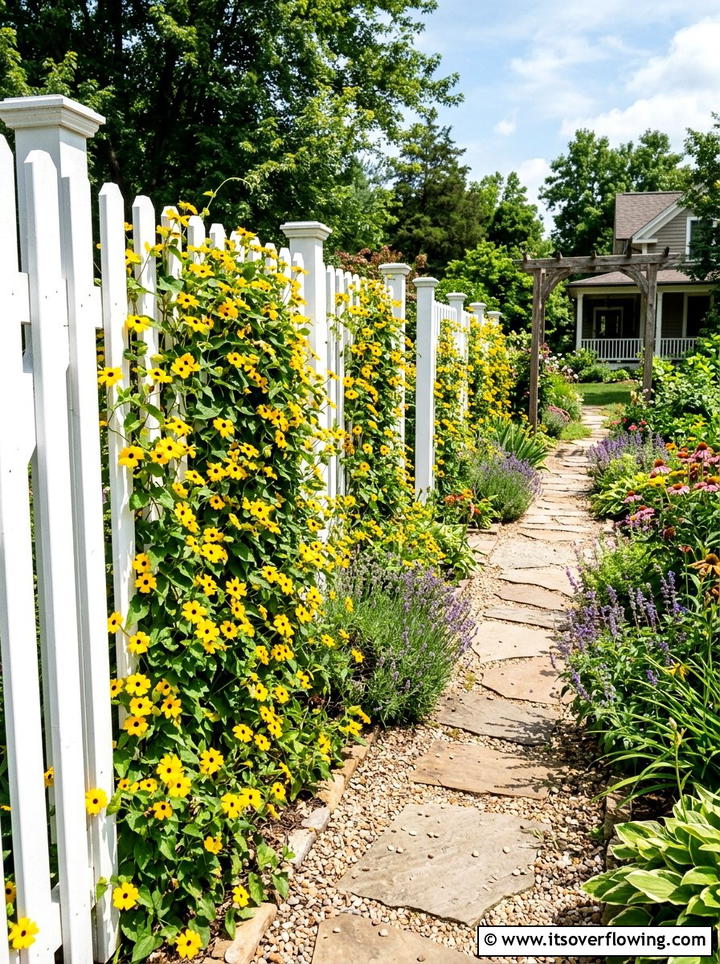
Using a short section of picket fencing as a trellis is a wonderful way to bring a touch of classic Americana to your outdoor space. You can mount a few panels vertically against a wall or use them to create a low divider between different sections of your garden beds. The gaps between the pickets are perfect for weaving larger vines through, while the pointed tops add a decorative finishing touch. Painting the pickets a bright white creates a crisp contrast with deep green leaves and vibrant flower colors. This setup is particularly effective for supporting medium-sized climbers like black-eyed Susan vines or even smaller varieties of climbing roses that need a bit of guidance.
22. Umbrella frame plant tower
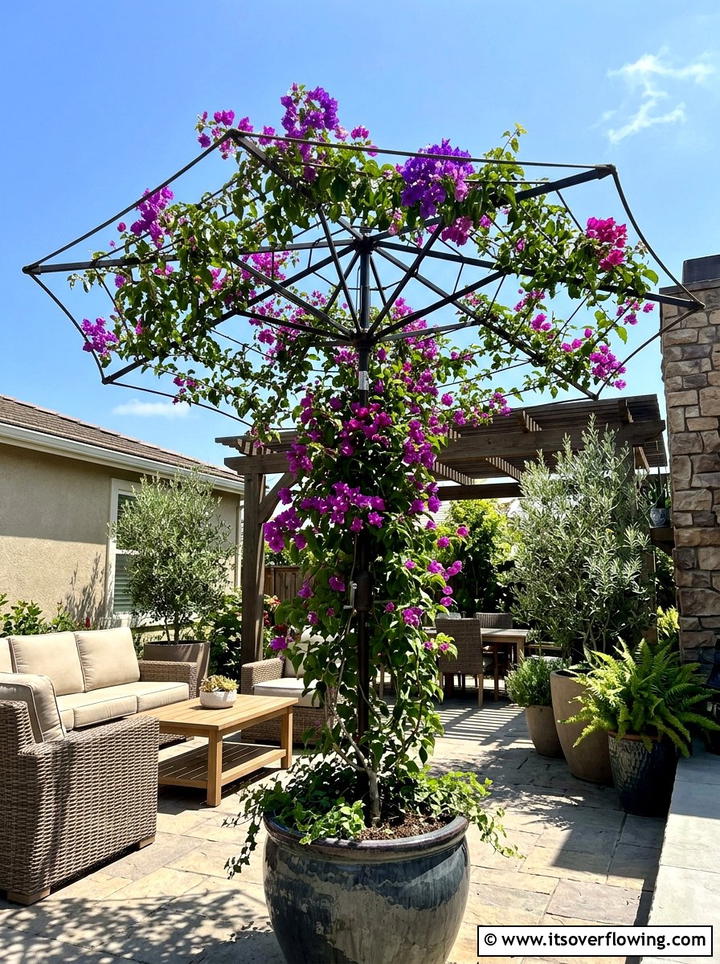
Have you ever wondered what to do with a broken patio umbrella once the fabric has torn or faded beyond repair? The metal or wood skeleton of an old umbrella makes an incredible “tuteur” or plant tower that provides a 360-degree climbing surface. By stripping off the fabric and sinking the central pole into a large planter or directly into the ground, you create a tall, architectural structure. Plants can grow up the central post and then spread out along the ribs at the top, creating an umbrella-like canopy of foliage and flowers. This unique shape adds a lot of visual drama and provides a shaded area for smaller, shade-loving plants to grow underneath the vine canopy.
23. Fishing net garden support
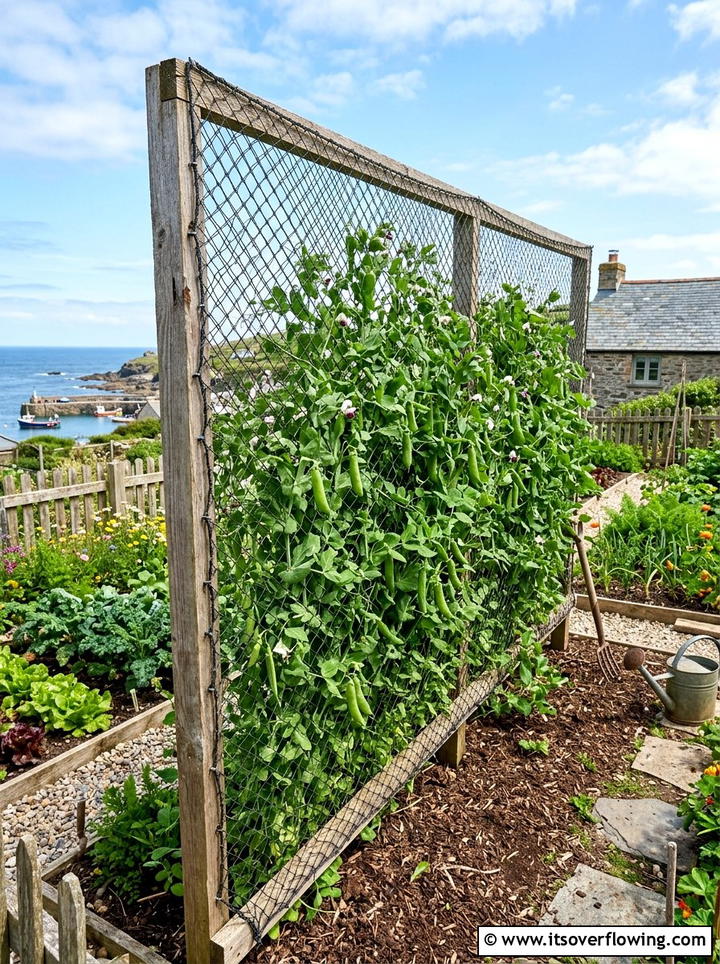
For an almost invisible and very flexible trellis option, a large piece of heavy-duty nylon fishing netting can be draped over a frame or fence. This material is designed to be in the water, so it is extremely resistant to UV rays and moisture, ensuring it won ‘t rot or degrade over time. The small square openings are the perfect size for all kinds of climbing vegetables, from heavy cucumbers to light and airy peas. You can stretch the net tightly for a clean look or let it drape slightly for a softer, more casual appearance. It is an incredibly cost-effective way to cover a large area with a functional vertical support system that doesn’ t block your view.
24. Clothesline vertical garden
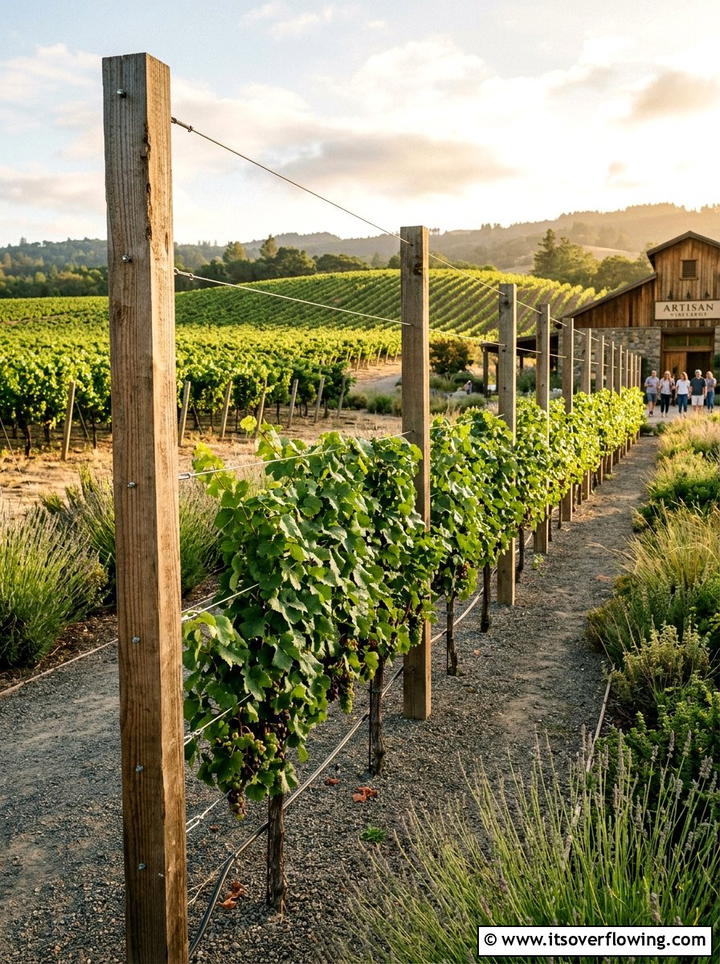
Creating a vertical support system using heavy-duty clothesline wire and tensioners allows you to create long, horizontal or vertical lines for plants to follow. This method is often used in professional vineyards and can be easily adapted for a backyard garden to create a modern and organized look. You can run the wires between two sturdy wooden posts to create a living wall that acts as a privacy screen between you and your neighbors. This setup is ideal for training fruit trees in an espalier style or for growing vigorous vines like grapes or hops. The clean lines of the wire keep the garden looking tidy and well-maintained even during the peak of the growing season.
25. Window frame garden accent
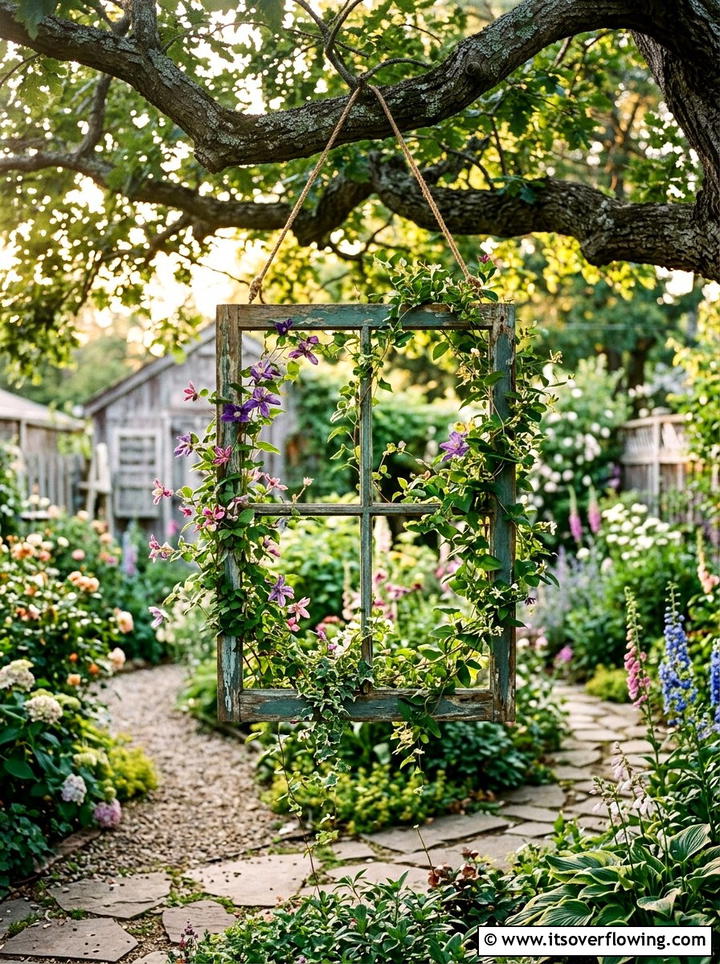
An old wooden window frame with the glass removed offers a nostalgic and charming framework for your favorite climbing plants to explore. You can hang the frame from a sturdy tree branch or mount it directly to a fence to create a “window” into another part of your garden. Adding a small piece of chicken wire or some crisscrossed twine inside the frame provides the necessary grip for vines to fill the empty space. This design creates a beautiful framing effect for your flowers, making every bloom look like a living painting. It is a creative way to recycle old building materials while adding a sense of history and whimsical storytelling to your outdoor sanctuary.
Conclusion:
Investing time into creating your own homemade trellises is a rewarding way to enhance your garden’s beauty without spending a fortune. Whether you choose the rustic charm of cedar branches or the sleek look of copper piping, these structures provide the essential support your plants need to flourish. Vertical gardening not only saves space but also improves the health of your plants by increasing airflow and reducing the risk of ground-based pests. As you watch your vines slowly wrap around your handcrafted frames, you will feel a deep sense of pride in your customized outdoor environment. These simple projects turn a basic backyard into a multi-dimensional landscape filled with life, texture, and inspiration for many seasons to come.

Related posts:
 25 Cheap Garden Ideas To Refresh Your Outdoor Space Fast
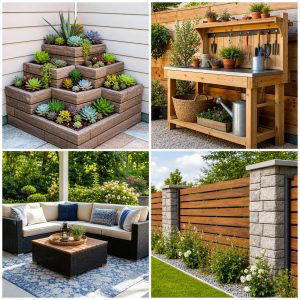 25 Cheap Garden Ideas With Cinder Blocks: Clever DIY Style
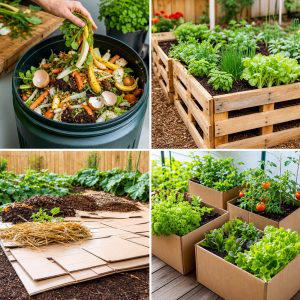 25 Cheap Garden Ideas With Composting for Greener Outdoor Spaces
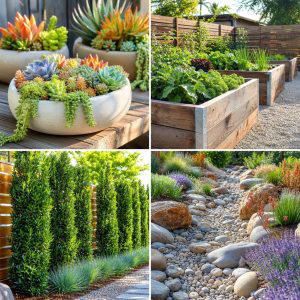 25 Cheap Garden Ideas With Drought Tolerant Plants to Try
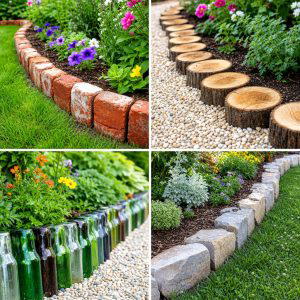 25 Cheap Garden Ideas With Edging for Instant Curb Appeal
 25 Cheap Garden Ideas With Mulch for a Polished Yard
 25 Cheap Garden Ideas With Native Plants for Easy Beauty
 25 Cheap Garden Ideas With No Grass Landscaping on a Budget
 25 Cheap Garden Ideas With Rain Barrels: Save Water in Style
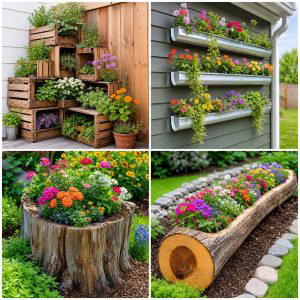 25 Cheap Garden Ideas With Simple Planters: Easy Budget Style
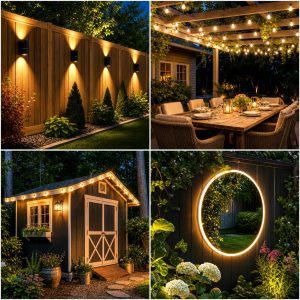 25 Cheap Garden Ideas With String Lights: Magical Glow Tips
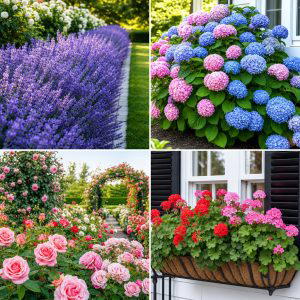 25 Cheap Garden Ideas With Cuttings to Grow More for Less