
Creating a beautiful garden often feels like a balancing act between style and sustainability. You want a lush, productive space, but you also want to manage your waste effectively. Integrating a composting station into your landscape is a brilliant way to achieve this. It turns your kitchen scraps and yard waste into black gold for your plants. This guide explores twenty-five creative ways to blend these functional zones seamlessly into your outdoor aesthetic. From modern minimalist structures to rustic cottage-style arrangements, there is a solution for every backyard size. You will discover how to make composting a focal point or a hidden gem in your home design.
1. Raised Bed With Central Worm Tower
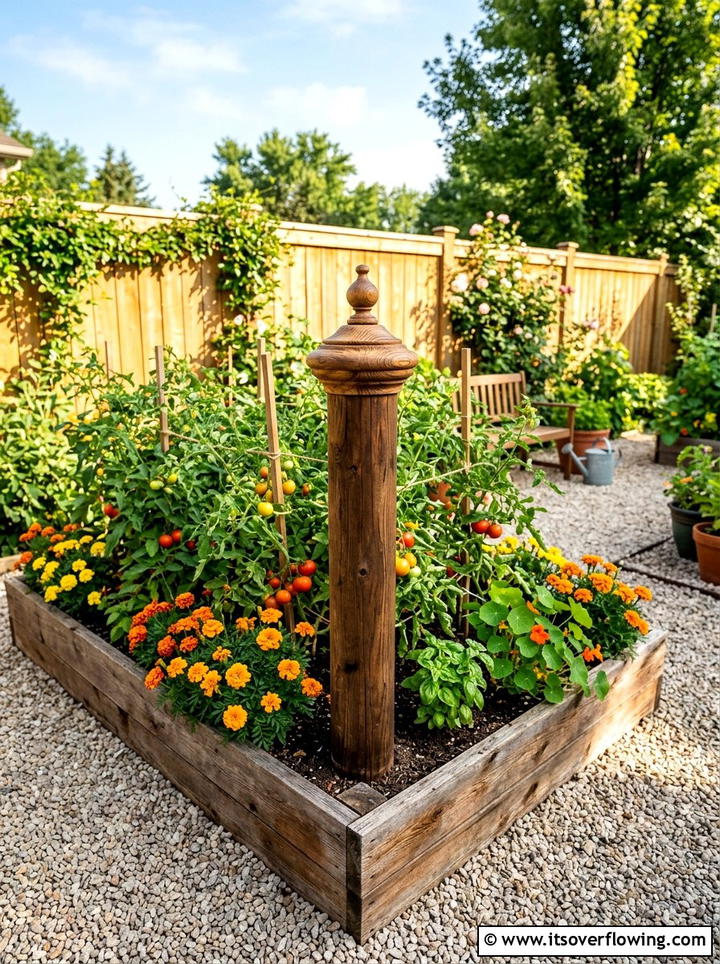
A raised bed featuring a central worm tower is a genius way to nourish your plants directly at the roots. This design incorporates a perforated tube in the middle of a large wooden planter. You simply drop your organic kitchen waste into the tube, and the worms move between the compost and the surrounding soil. This process distributes nutrients evenly across the entire garden bed without any extra effort from you. It is perfect for growing heavy feeders like tomatoes or leafy greens. The sleek wooden structure keeps everything looking tidy and organized. You can even add a decorative lid to the tower to match your garden furniture.
2. Modern Cedar Three Bin System
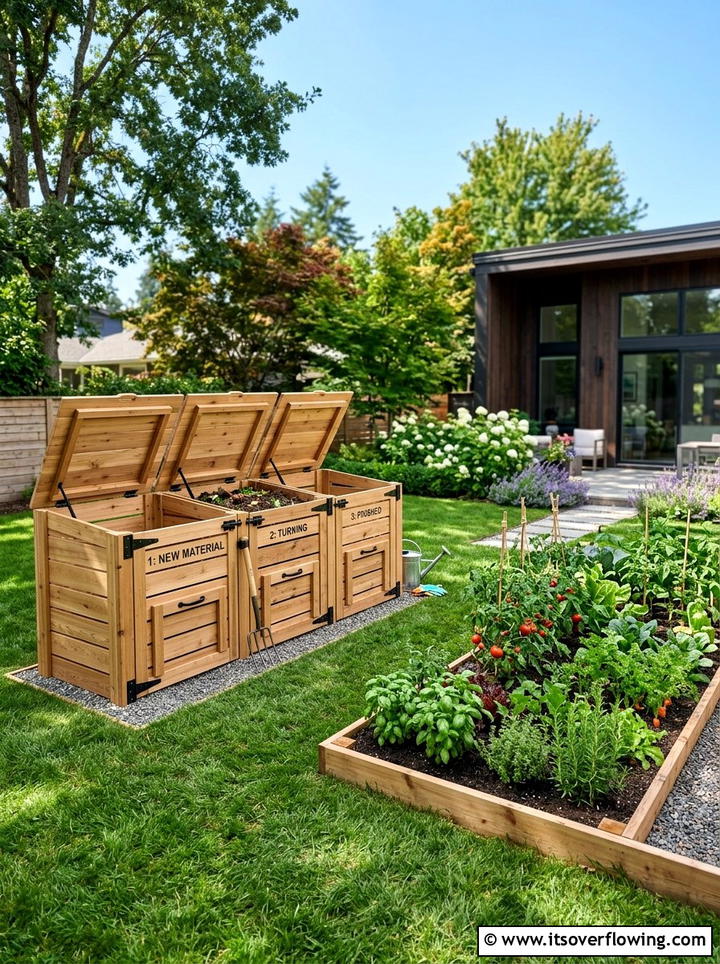
A modern cedar three bin system is the gold standard for organized composting in a large backyard. This structure allows you to manage different stages of decomposition simultaneously. One bin holds fresh scraps, the second is for actively breaking down material, and the third contains finished soil. Using high-quality cedar wood ensures the station looks like a high-end architectural feature rather than a waste zone. You can place this station near your vegetable patch for easy access. Adding black hardware and a slanted roof gives it a contemporary farmhouse feel. This setup is ideal for gardeners who produce a large amount of green and brown waste.
3. Keyhole Garden With Center Basket
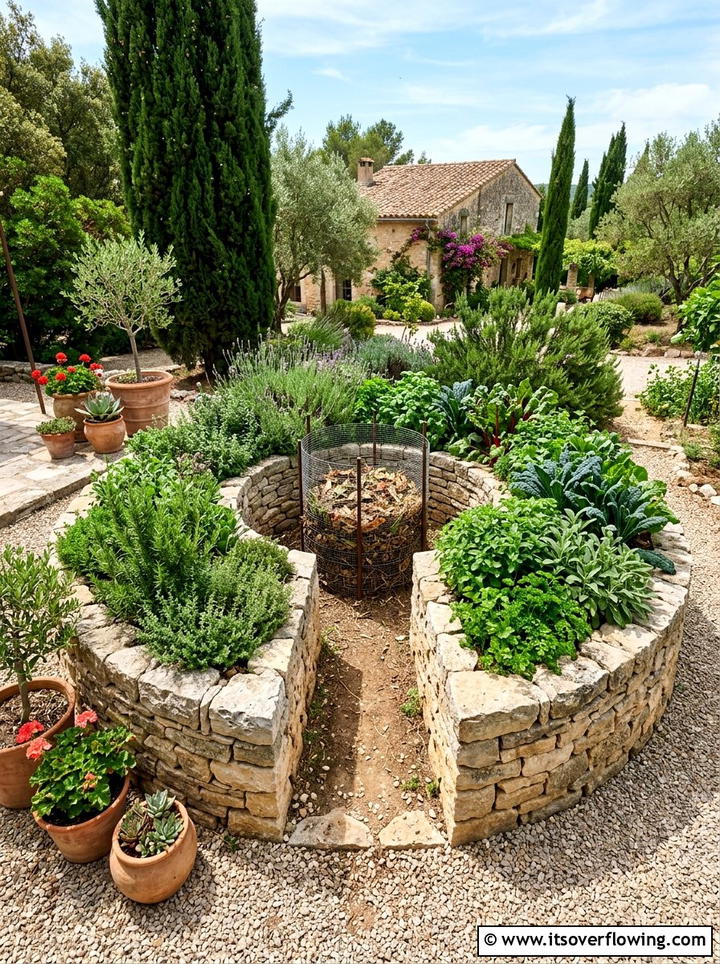
The keyhole garden with a center basket is a classic permaculture design that combines a planter and a composter. This circular raised bed has a small notch or walkway that leads to a central composting cage. As you water the central basket filled with kitchen scraps, the nutrients leach out into the surrounding soil. This design is incredibly efficient for dry climates because it retains moisture very well. You can build the outer walls from stone, brick, or recycled timber to match your home style. It creates a beautiful circular focal point in any backyard. The design allows you to reach every plant from one central spot easily.
4. Hidden Trench Composting Path
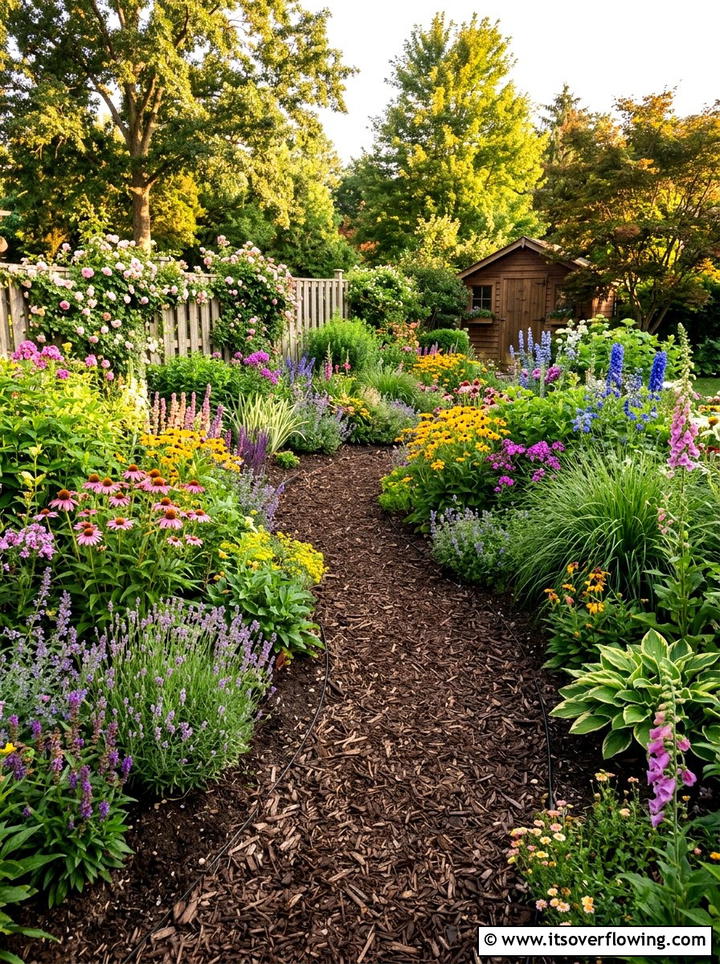
A hidden trench composting path is an excellent choice for those who prefer a minimalist or invisible waste system. This method involves digging deep trenches along your garden walkways and filling them with organic matter. You cover the waste with a thick layer of soil and then top it with wood chips or gravel. As the material decomposes underground, it feeds the roots of nearby plants without taking up any vertical space. This design keeps your garden looking perfectly manicured while improving soil health secretly. It is a fantastic way to utilize large amounts of fallen leaves or grass clippings without needing a bulky bin.
5. Decorative Lattice Enclosed Bin
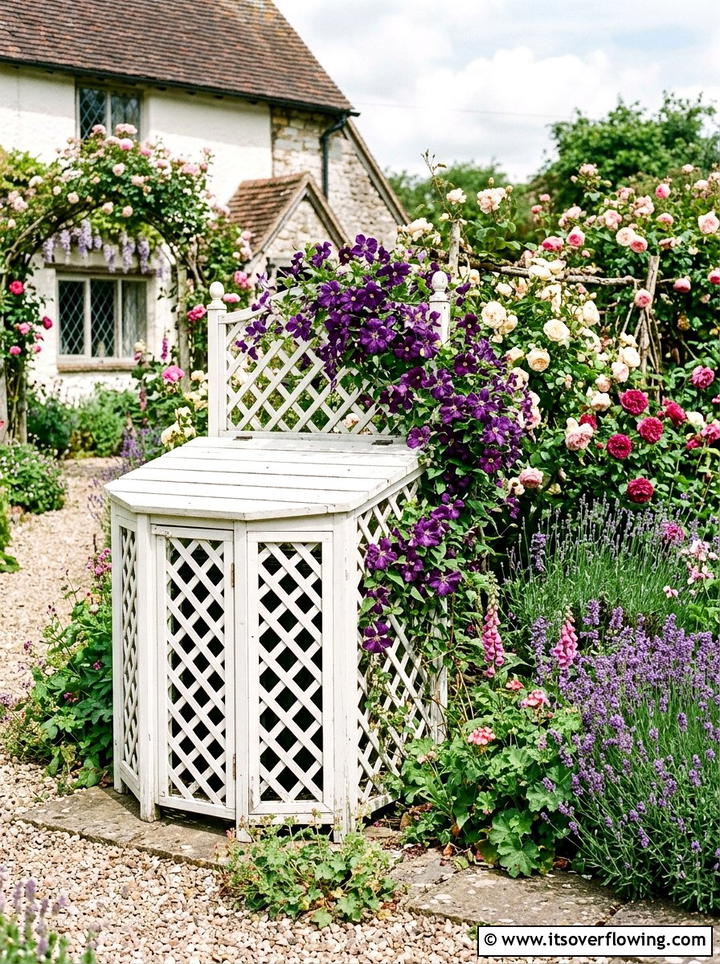
The decorative lattice enclosed bin is perfect for small gardens where every element must look attractive. You can build a simple wooden frame and cover the sides with intricate lattice panels. This allows for plenty of airflow, which is essential for aerobic decomposition, while hiding the messy pile from view. Climbing plants like jasmine or clematis can be trained to grow over the structure for extra camouflage. This setup turns a functional utility into a beautiful garden feature that smells wonderful. You can paint the lattice to match your fence or garden shed. It provides a soft, romantic look that fits perfectly in a cottage garden.
6. Urban Balcony Vertical Worm Farm
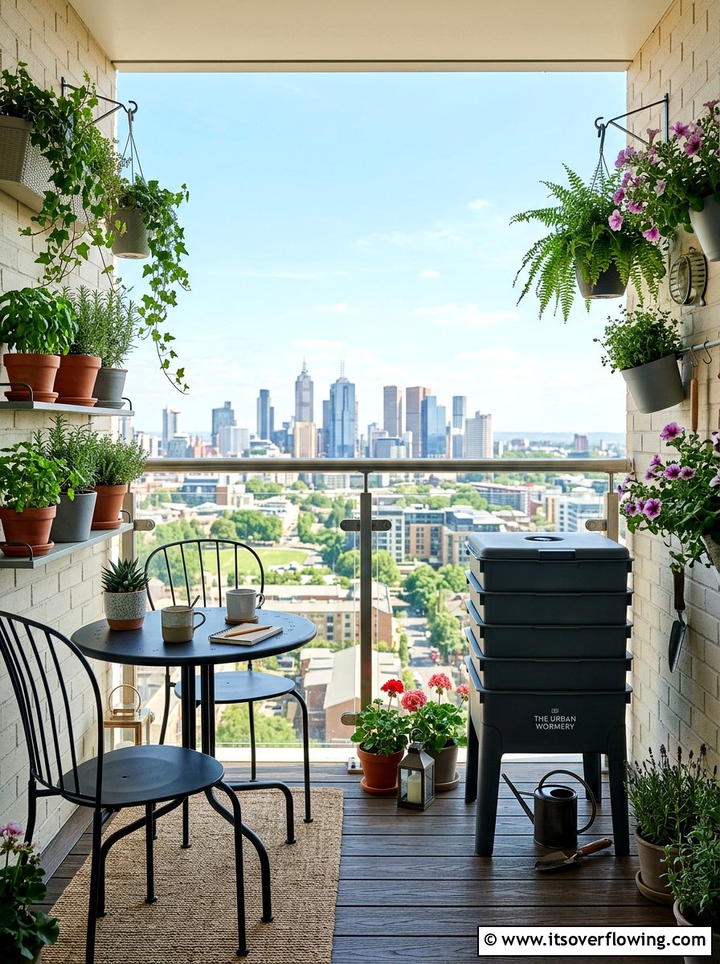
An urban balcony vertical worm farm is the ultimate solution for city dwellers with limited outdoor space. This compact system uses stacked trays that allow worms to move upward as they process food scraps. The design is sleek and often made from high-quality recycled plastics or wood that looks like a modern end table. You can tuck it into a corner next to your potted herbs and outdoor seating. It produces liquid fertilizer, often called worm tea, which is perfect for feeding your balcony containers. This station is odor-free and highly efficient, making it a great conversation piece for guests. It proves you do not need a yard to compost.
7. Paving Stone Garden With In Ground Composter
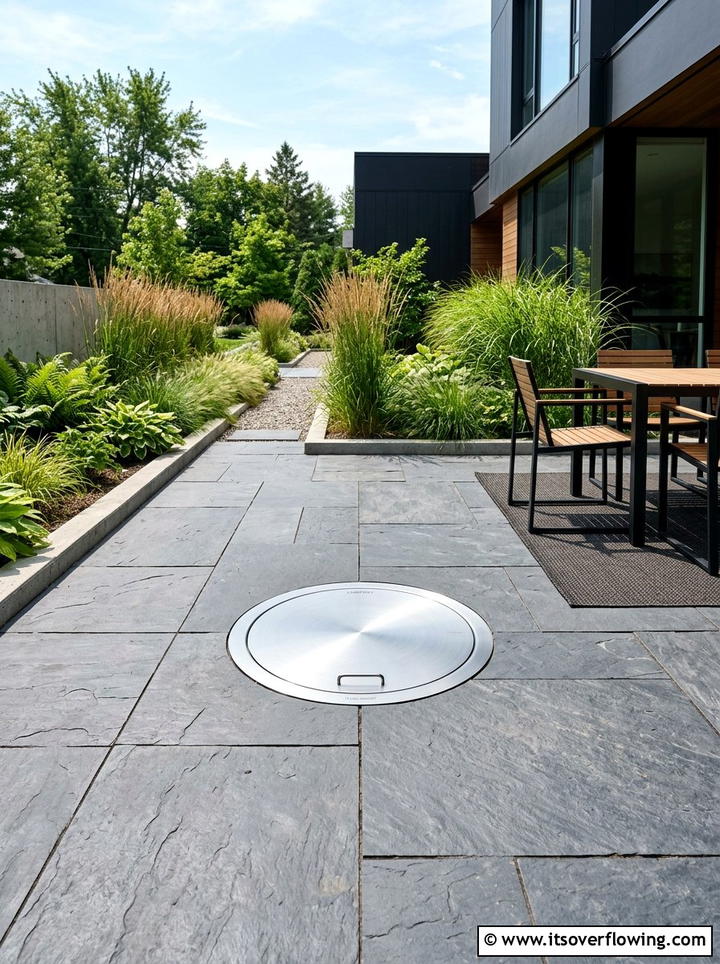
A paving stone garden with an in-ground composter offers a very clean and industrial look for modern homes. This design features a sleek metal or heavy-duty plastic cylinder buried in a hole among your patio pavers. Only a flat, reinforced lid remains visible at ground level, blending in with the surrounding stone or concrete. You can drop scraps inside and let the earthworms do the work beneath your feet. This setup is ideal for entertaining areas where you want to keep waste management completely out of sight. It is a durable and permanent solution that requires very little maintenance over the years.
8. Modern Minimalist Slate Compost Box
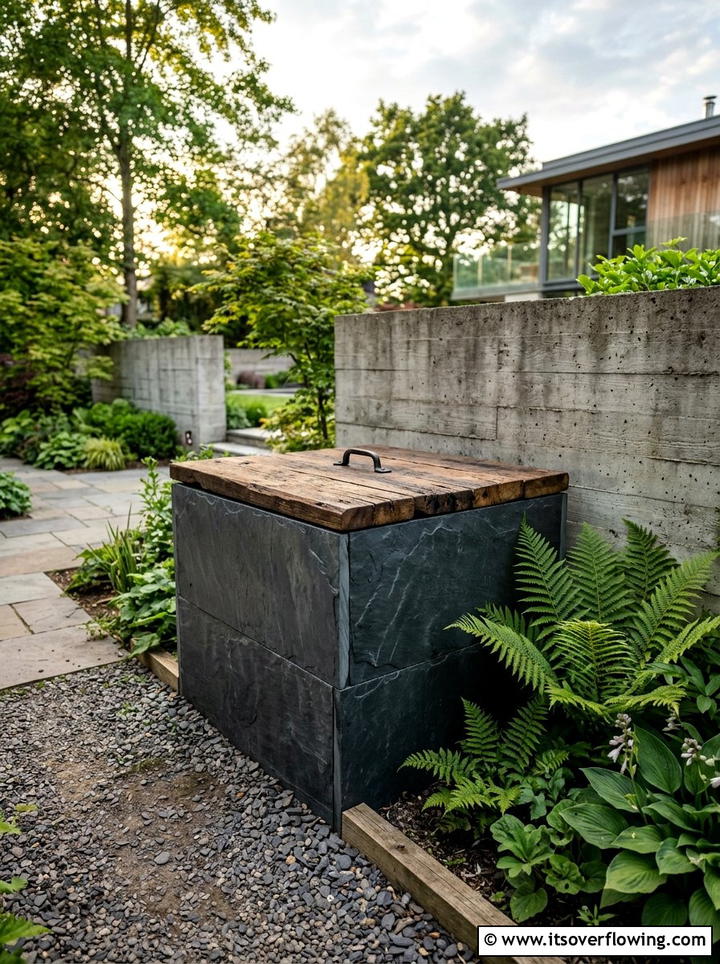
The modern minimalist slate compost box is a sophisticated choice for high-end landscape designs. Using dark slate or large stone slabs to create the bin walls provides a natural yet polished aesthetic. This material retains heat well, which can speed up the composting process during cooler months. The cool grey tones of the slate contrast beautifully with bright green ferns or colorful flowers. You can top the box with a heavy wooden lid to keep pests away and maintain a clean silhouette. This design works well as a boundary marker or a structural element along a garden wall. It feels more like a piece of sculpture than a trash bin.
9. English Cottage Garden Dual Tumbler
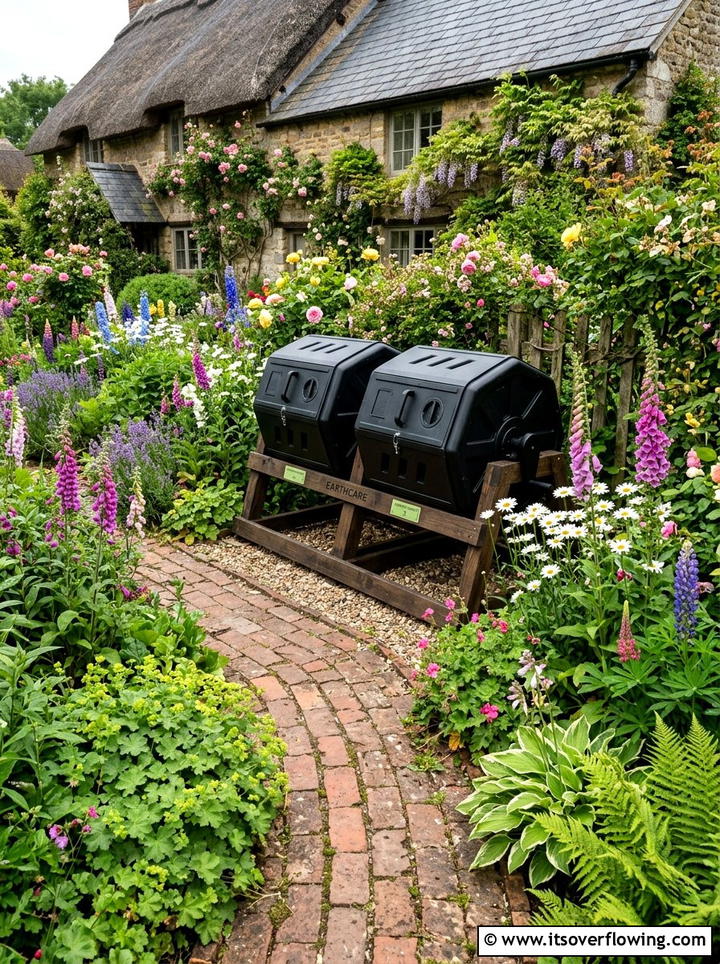
The English cottage garden dual tumbler is a practical and mobile option for active gardeners. A dual tumbler system allows you to finish one batch of compost while starting another in the second chamber. You can find models with decorative frames or even build a wooden housing to help them blend into a flowery landscape. Placing the tumbler near a bed of roses or lavender makes the chore of spinning it very pleasant. The elevated design prevents rodents from entering and makes it easy to empty the finished soil into a wheelbarrow. This station is perfect for people who want fast results without the heavy lifting of turning a pile.
10. Recycled Pallet Compost Station
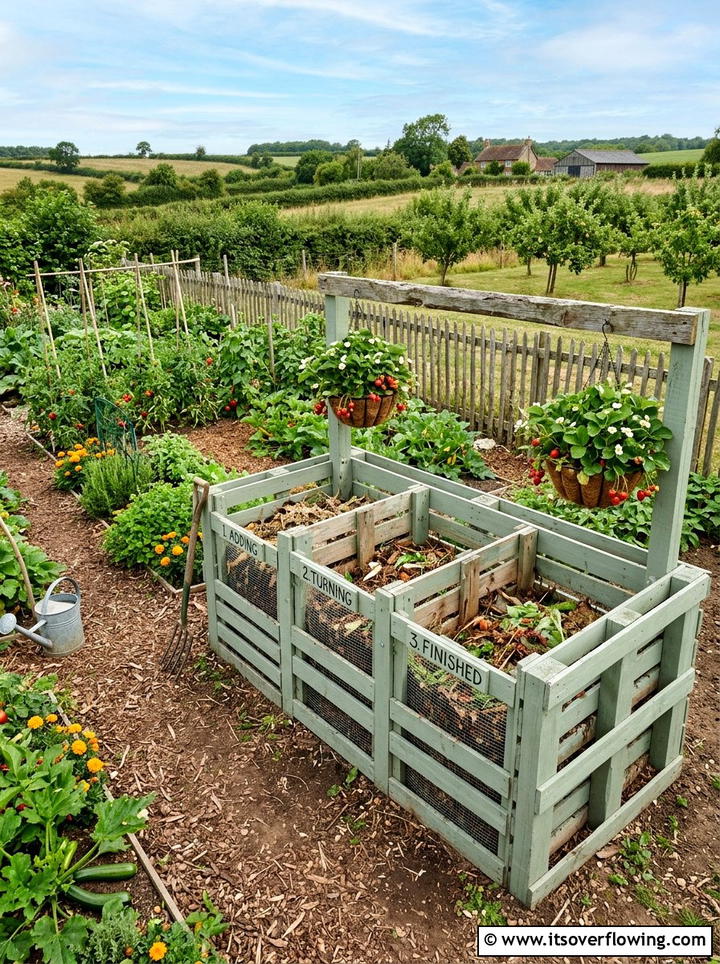
A recycled pallet compost station is a budget-friendly and rustic way to manage garden waste. You can easily source old wooden pallets and screw them together to form a large, three-sided bay. This design is perfect for a large “wild” garden or a homesteading setup where utility is the main priority. To make it more viral and Pinterest-worthy, you can sand the wood and paint it in a soft sage green or navy blue. Adding a few hanging planters to the front of the pallets can turn the station into a living wall. It is a sustainable project that repurposes materials while helping you grow a better garden.
11. Vegetable Patch With Integrated Chute
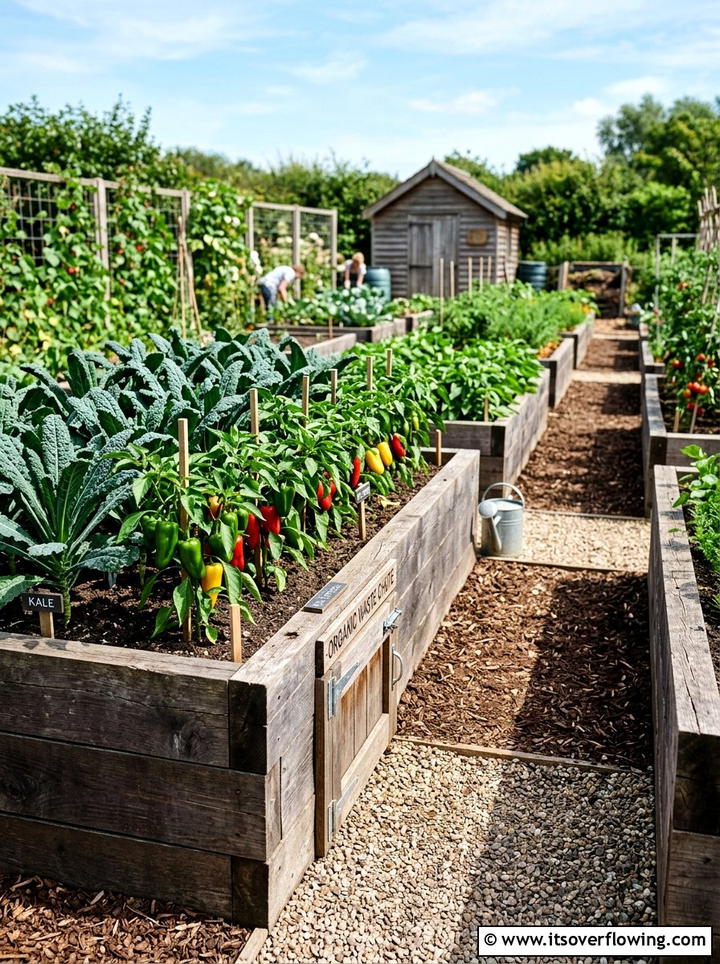
A vegetable patch with an integrated chute is a very functional design for serious home cooks. You can build your raised vegetable beds with a built-in PVC or wooden chute that leads directly into a composting chamber beneath the soil. This allows you to toss your harvest trimmings straight into the system while you work. It keeps the garden area tidy and ensures that nutrients are recycled immediately back into the food-producing soil. This layout is often seen in modern kitchen gardens where efficiency is key. You can hide the opening with a decorative stone or a small hinged wooden door to maintain a clean and professional look.

12. Woven Willow Compost Basket
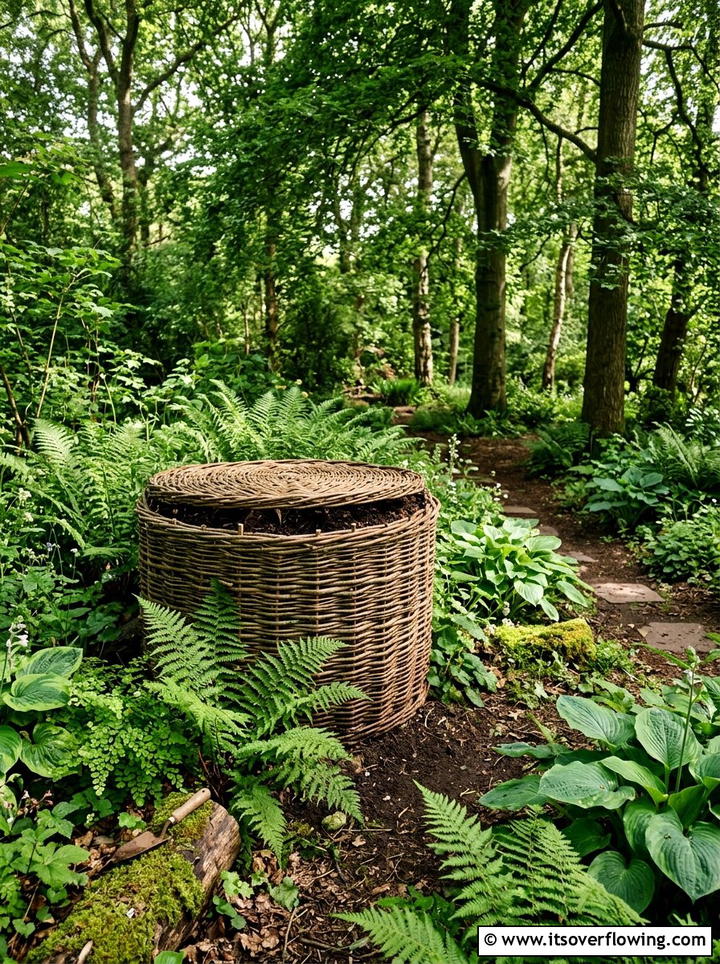
The woven willow compost basket is an organic and artisanal choice for a naturalistic garden. These large, hand-woven structures look like oversized baskets sitting nestled among your shrubs and trees. The natural gaps in the willow provide excellent ventilation for the decomposing material inside. This style blends perfectly into a woodland garden or a space focused on wildlife and biodiversity. Because the material is biodegradable, the basket itself will eventually break down and can be added to the next pile. It is a beautiful way to embrace the cycle of life and decay in a very visual and tactile way. It adds a lovely texture to any landscape.
13. Contemporary Metal Mesh Bin
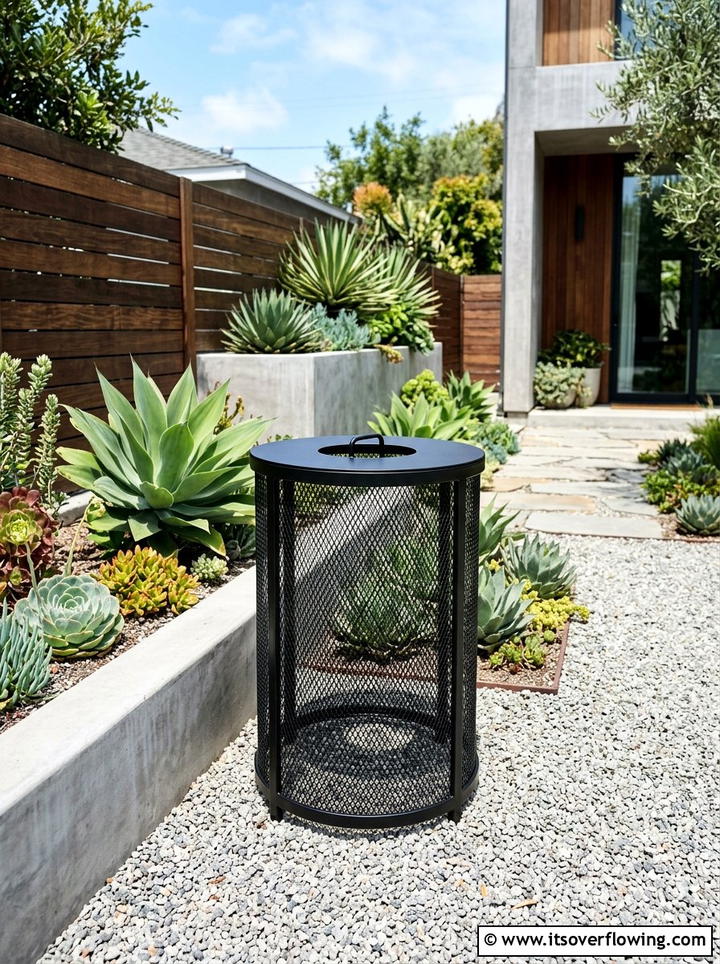
A contemporary metal mesh bin offers an edgy, industrial aesthetic that works well in modern urban gardens. These bins are usually made from heavy-gauge galvanized steel or black powder-coated wire. They allow for maximum airflow, which helps prevent odors and speeds up the breakdown of materials. You can line the inside with landscape fabric if you want to hide the contents while still allowing air to pass through. These bins are very durable and resistant to pests like squirrels or rats. They look fantastic when paired with concrete planters and minimalist furniture. The transparent nature of the mesh keeps the garden feeling open and airy rather than cluttered.
14. Small Backyard Herb Garden Composter
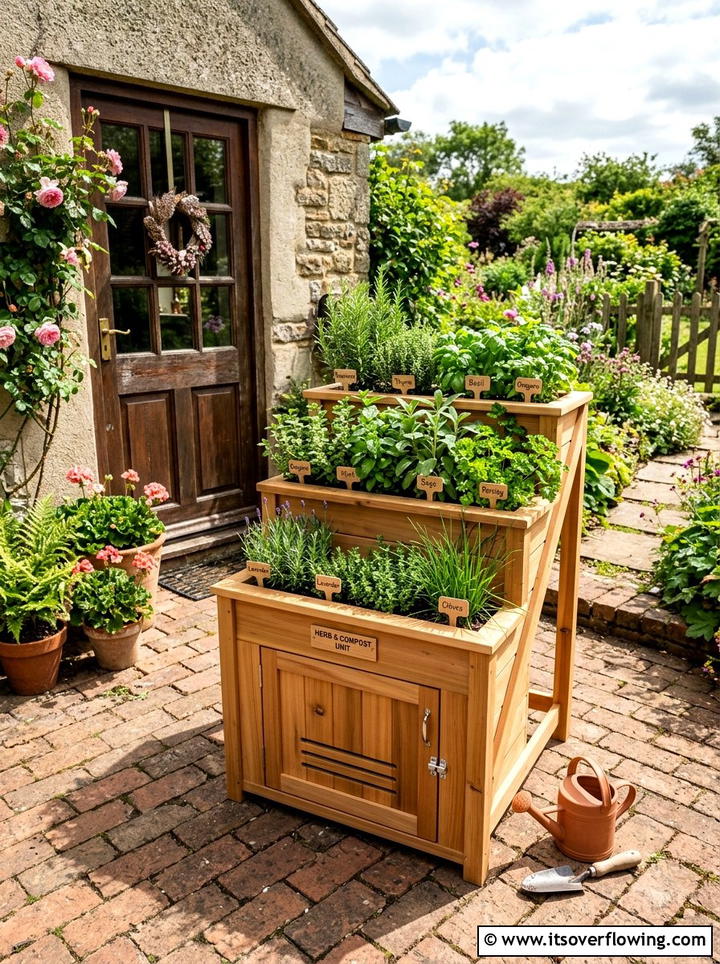
A small backyard herb garden composter is designed specifically for tight spaces near the kitchen door. This setup often features a small, stylish bin tucked inside a tiered herb planter. You can grow basil, mint, and rosemary on the top levels while the bottom section handles your coffee grounds and fruit peels. This proximity makes it very easy to develop a daily composting habit. The herbs benefit from the moisture and warmth generated by the composting process below. It is a compact and multi-functional piece of garden furniture. Choosing a bright color for the planter can make this station a cheerful focal point on a small patio.
15. Orchard With Leaf Mold Wire Cage
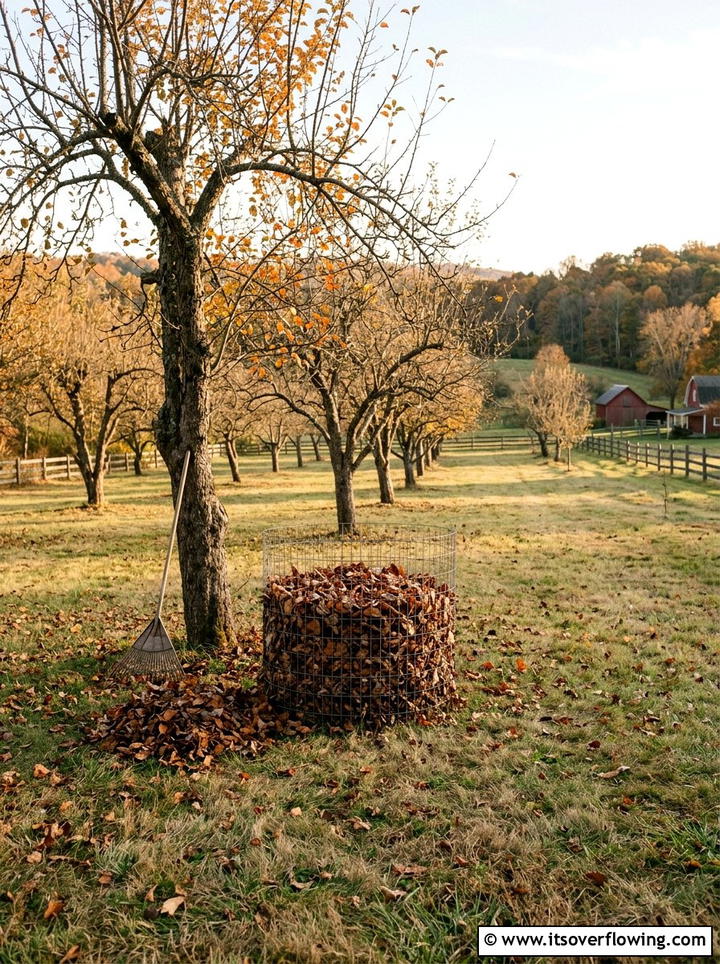
An orchard with a leaf mold wire cage is the best way to manage large amounts of autumn leaves. These simple circular cages are made from wire fencing and placed around the base of fruit trees. You fill them with fallen leaves, which slowly break down into a rich soil conditioner over a year or two. This design keeps the orchard floor tidy while providing a slow-release fertilizer for your apples or pears. The wire cages have a very traditional, functional look that suits a large country garden or a small mini-orchard. It is a low-effort way to create high-quality mulch for your perennial fruit-bearing plants and trees.
16. Perennial Border With Pit Composter
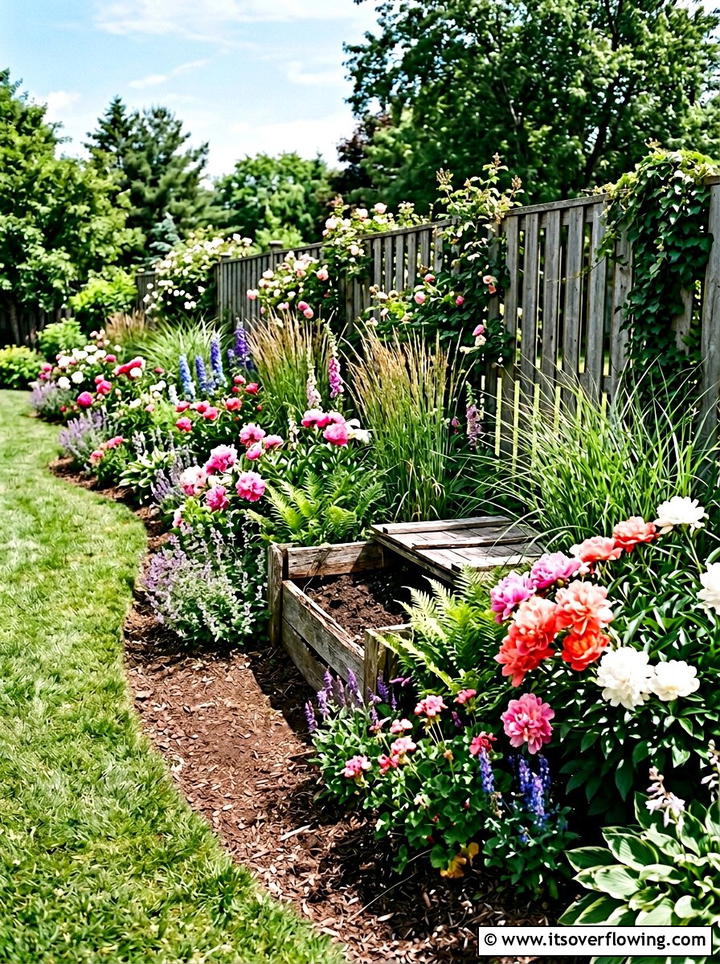
A perennial border with a pit composter uses a traditional method of “dig and drop” waste management. You can designate a small, hidden spot within your flower border to dig a hole for your kitchen scraps. Once the hole is full, you cover it with soil and plant a new perennial directly on top. The decaying matter provides a massive nutrient boost for flowers like peonies or lilies. This technique requires no special equipment or bins, making it the most cost-effective solution available. It keeps your flower beds looking lush and full without any visible plastic or wooden structures. It is a secret weapon for any high-performance flower gardener.
17. Greenhouse With Under Bench Bin
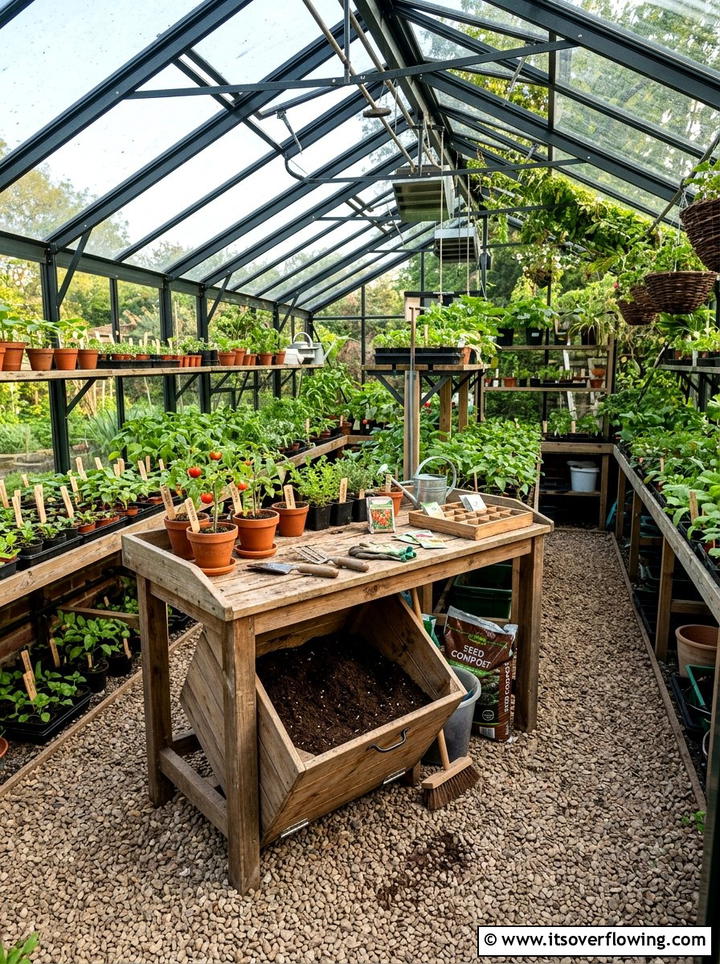
A greenhouse with an under-bench bin is a smart way to manage waste in a controlled environment. You can install a sliding or tilting compost bin directly beneath your potting bench. This allows you to sweep soil and plant trimmings straight into the bin while you work on your seedlings. The warmth of the greenhouse can actually help speed up the decomposition process during the winter months. This keeps your workspace clean and organized while producing fresh soil for your next round of planting. It is a highly efficient setup for dedicated gardeners who spend a lot of time indoors. The bin can be hidden behind a curtain.
18. Stone Wall Integrated Compost Niche
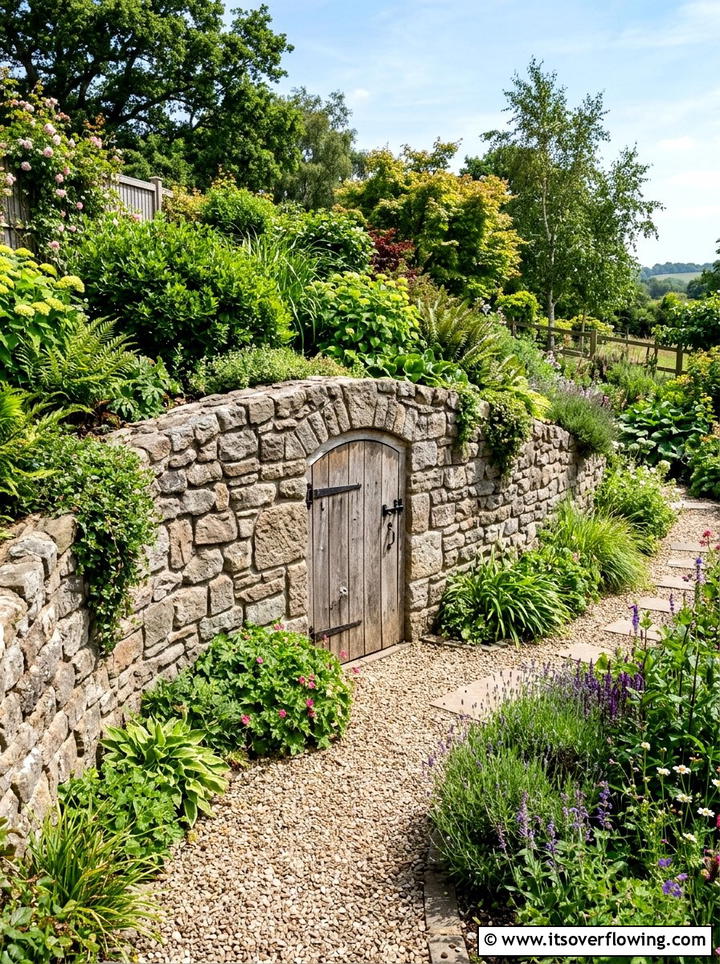
A stone wall integrated compost niche is a permanent architectural feature that adds value to your property. If you are building a retaining wall or a boundary fence out of stone, you can leave a hollowed-out section specifically for composting. A heavy wooden or metal door can be fitted to the front to keep the area secure and tidy. This design makes the composting station look like a natural part of the landscape’s bones. It is incredibly durable and provides excellent insulation for the compost pile. This setup is perfect for luxury homes where you want every functional element to be high-quality and beautifully designed to last.
19. Zen Garden With Discreet Composting
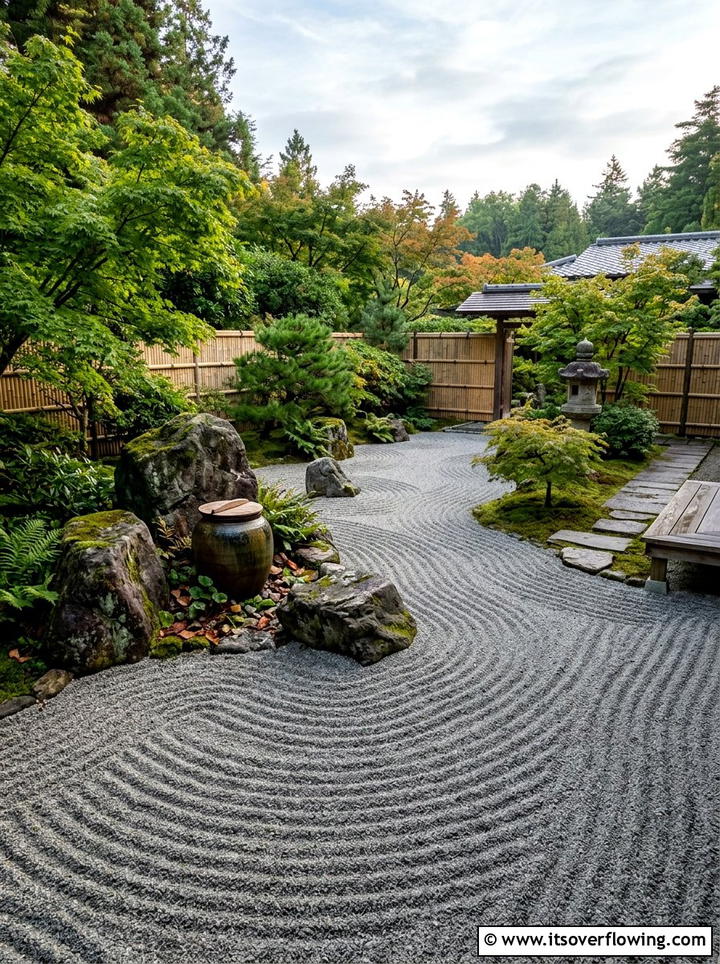
A zen garden with discreet composting focuses on maintaining a sense of peace and order. You can use a small, attractive ceramic or stone vessel hidden behind a bamboo screen or a large boulder. This station is used for small amounts of organic waste, such as tea leaves or spent flowers. The goal is to keep the process quiet and unobtrusive so it does not distract from the meditative atmosphere of the space. Using natural materials like bamboo and river stones ensures the composter fits the Japanese-inspired aesthetic. It proves that even the most minimalist and curated gardens can still be part of a healthy, sustainable ecosystem at home.
20. Childrens Discovery Garden Compost Hub
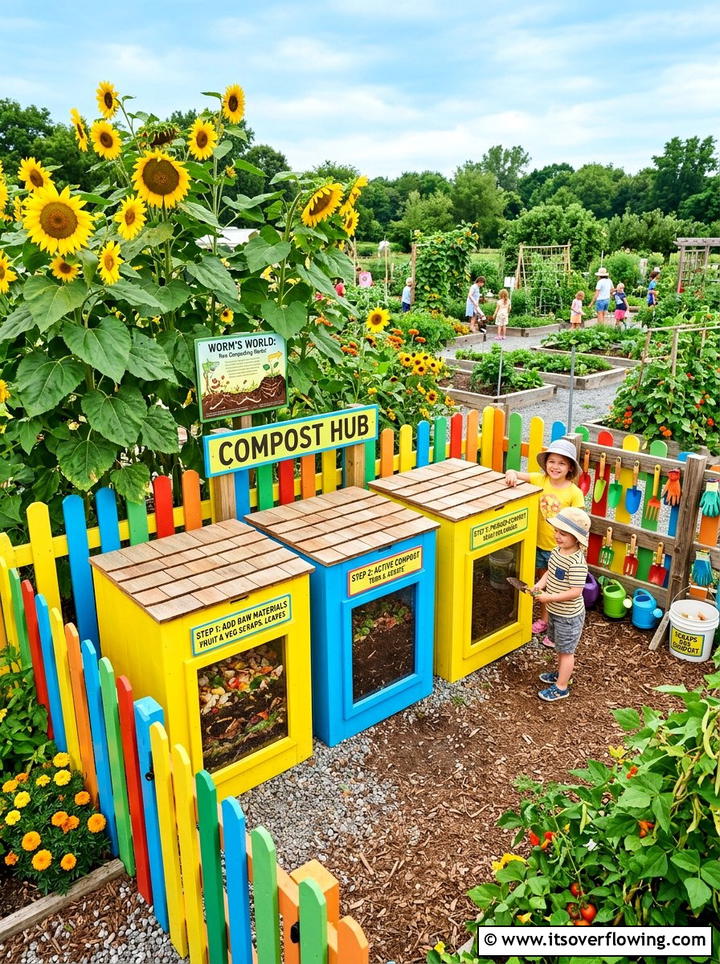
A children’s discovery garden compost hub is an educational and colorful addition to a family backyard. You can use clear plastic panels on one side of a wooden bin so kids can see the decomposition process and worms in action. Painting the bins in bright, cheerful colors and adding labels helps children learn about different types of waste. This station can be surrounded by easy-to-grow plants like sunflowers and pumpkins that thrive on fresh compost. It turns a chore into a fun science experiment for the whole family. This design encourages the next generation to value sustainability and understand where their food and soil come from.
21. Tropical Garden With Banana Circle
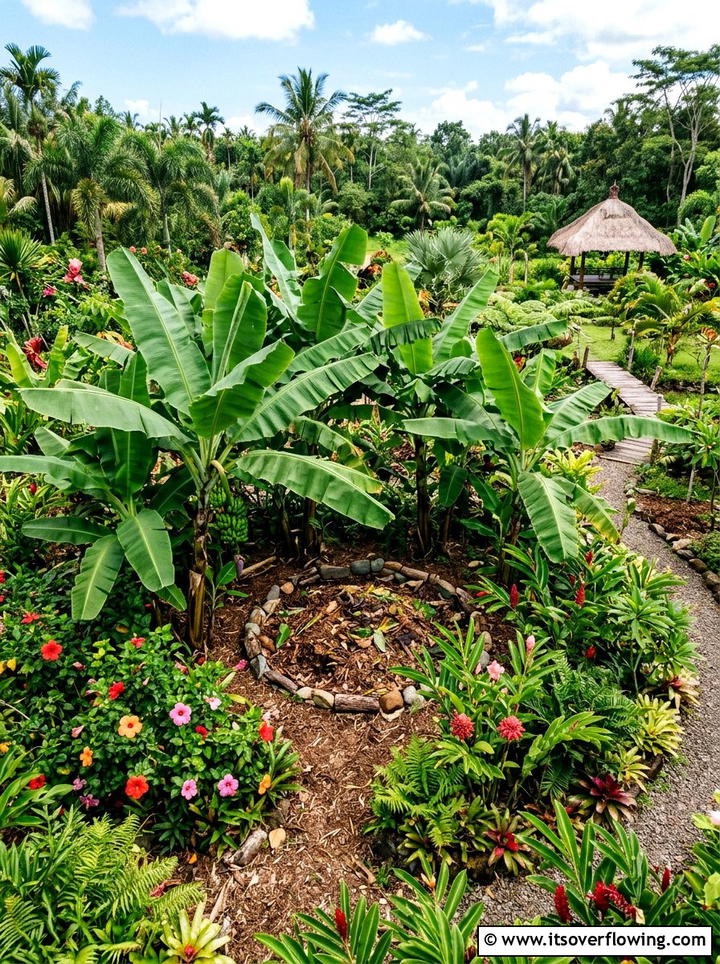
A tropical garden with a banana circle is a classic permaculture technique for handling large amounts of organic matter. You dig a large central pit and mound the soil around the edges to plant banana trees or other heavy-feeding tropical plants. The central pit is filled with logs, leaves, and kitchen waste, which holds a lot of moisture. This creates a self-watering and self-fertilizing system that mimics a forest floor. The lush, large leaves of the bananas create a beautiful, exotic canopy that hides the composting pit in the center. It is a highly productive and visually stunning way to manage waste in a warm, humid climate.
22. Wildflower Meadow With Log Pile Composter
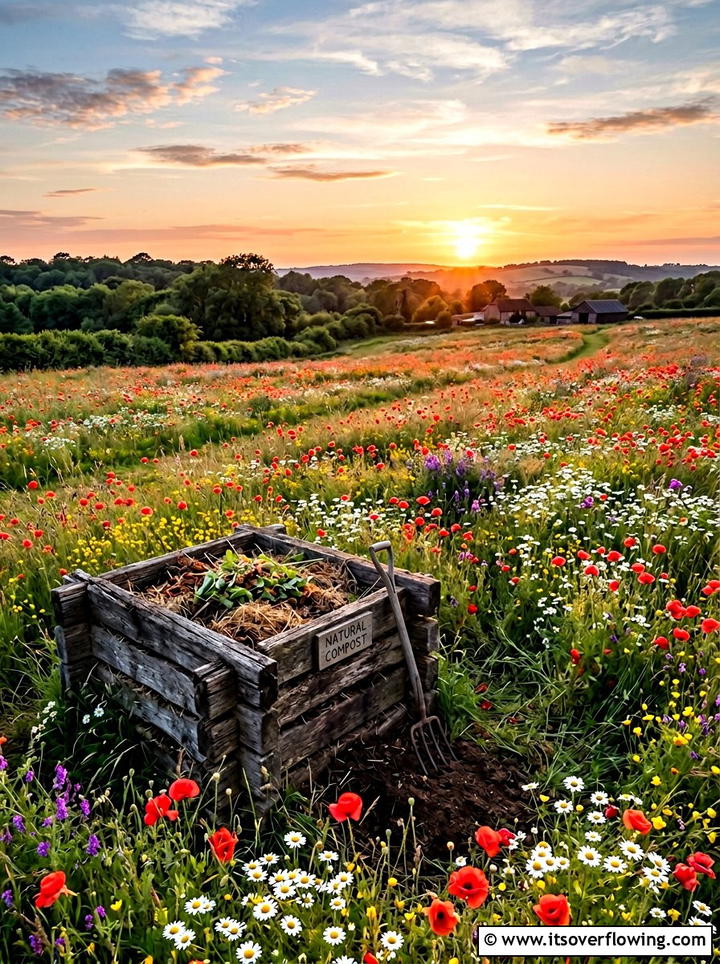
A wildflower meadow with a log pile composter is the perfect choice for a wildlife-friendly backyard. Instead of a traditional bin, you can stack old logs and branches in a decorative hollow square. You fill the center with grass clippings and leaves, allowing them to rot naturally over time. The log pile provides a vital habitat for beneficial insects, toads, and hedgehogs while the center produces rich soil. This station looks very natural and blends seamlessly into a meadow of daisies and poppies. It is a low-maintenance approach that supports local biodiversity while recycling your garden waste. It feels like a natural part of the landscape.
23. Tiered Retaining Wall Compost System
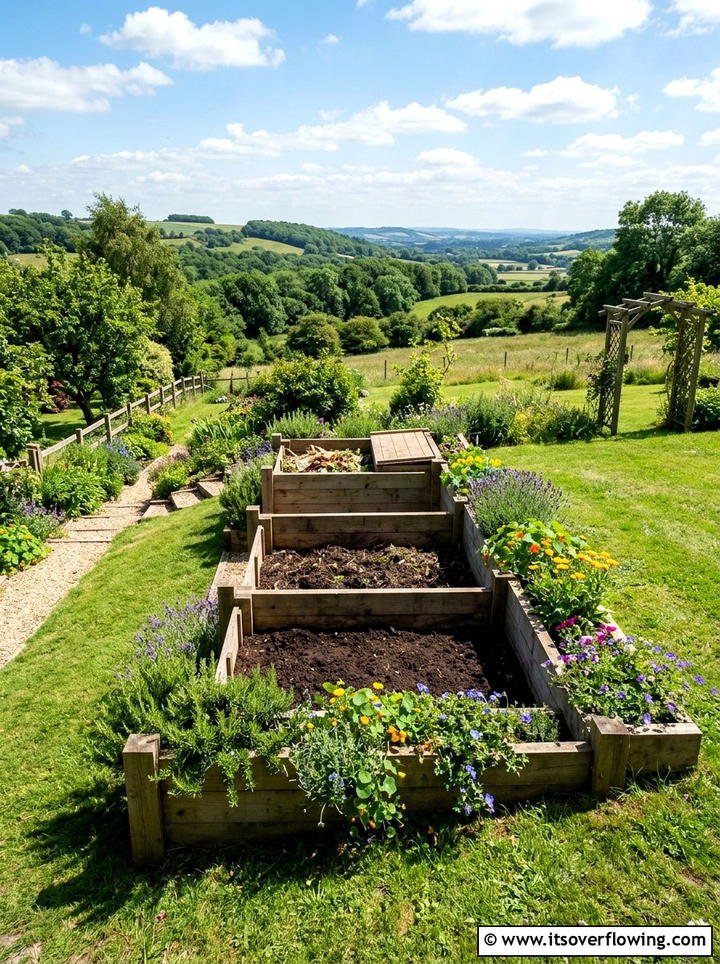
A tiered retaining wall compost system is a brilliant use of vertical space on a sloped property. You can build a series of wooden or stone terraces where the top level is for adding fresh waste. As the material breaks down, it can be moved down to the lower levels through simple trap doors or by shoveling. Gravity helps with the labor, and the different levels make it easy to see the progress of your soil. This design can be integrated with beautiful cascading plants like creeping thyme or rosemary to soften the edges. It turns a difficult, sloped area into a highly productive and organized waste management zone.
24. Rooftop Garden Planter With Worm Port
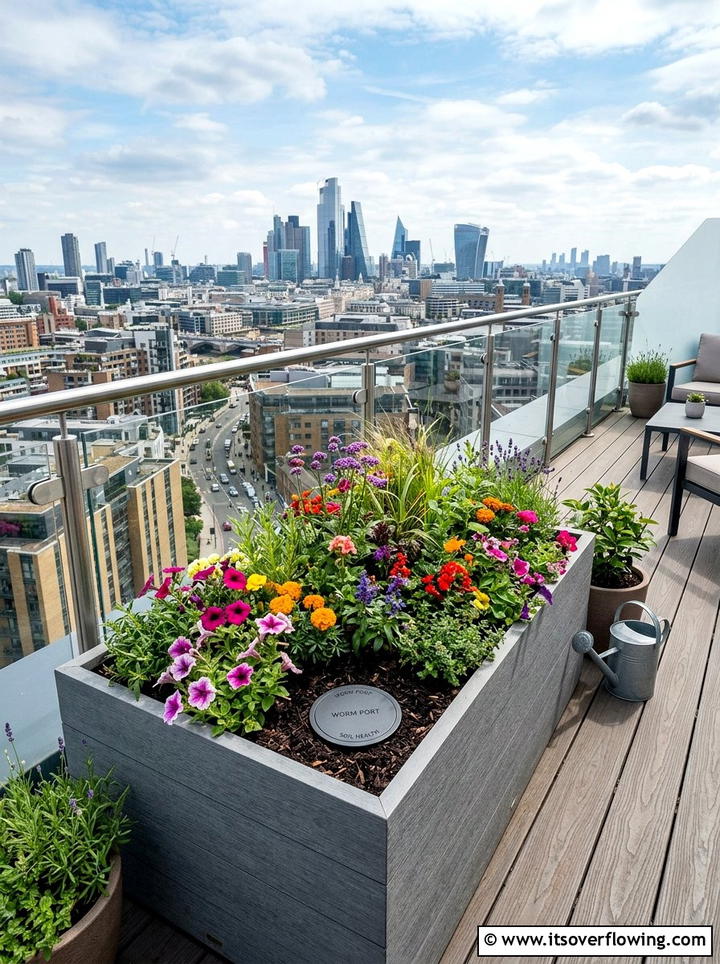
A rooftop garden planter with a worm port is essential for modern urban green roofs. Since weight is often a concern on roofs, a small integrated worm port inside a large planter allows you to create fertilizer on-site. You don’t have to haul heavy bags of soil or liquid feed up several flights of stairs. The port is a simple tube with a lid that sits flush with the soil surface. This design is sleek and practical, fitting perfectly with the glass and steel of modern architecture. It ensures your rooftop oasis remains healthy and vibrant while reducing the amount of waste you send to the landfill below.
25. Modern Farmhouse Kitchen Garden Bin
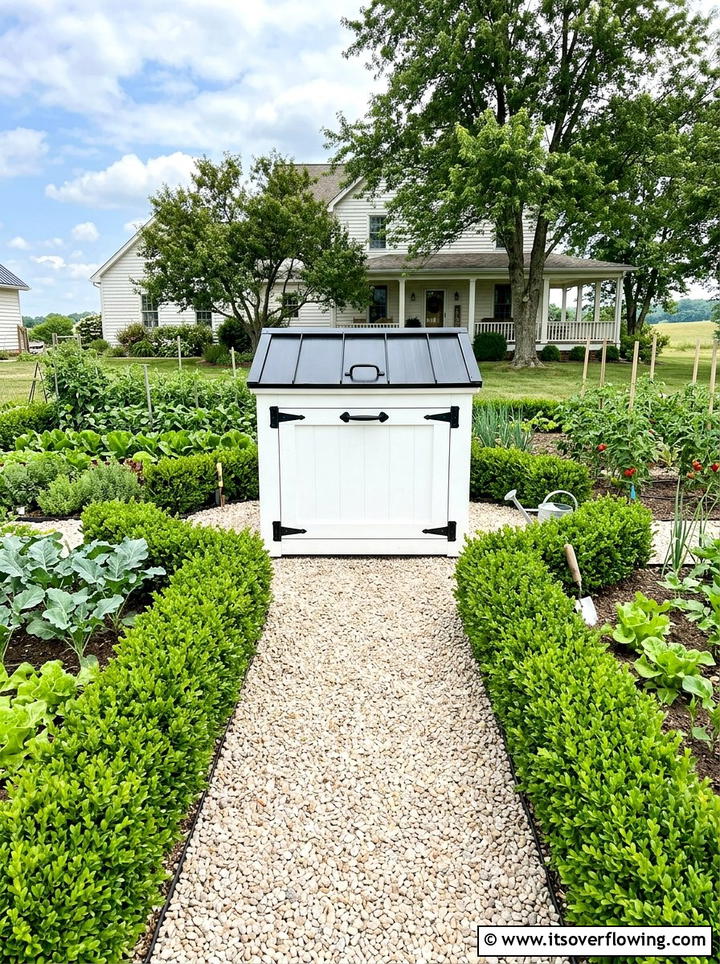
A modern farmhouse kitchen garden bin is all about classic style and high functionality. This design usually features white-painted wood with black metal accents and a gabled roof. It looks like a miniature version of a traditional barn or garden shed. Placing it at the end of a gravel path lined with boxwood hedges creates a very formal and tidy appearance. This station is perfect for storing garden tools on one side and composting on the other. It is a beautiful way to anchor a traditional potager or vegetable garden. The clean lines and classic colors make it a favorite for viral Pinterest home design inspiration.
Conclusion:
Integrating a composting station into your garden design is one of the most rewarding home projects you can undertake. It bridges the gap between high-end aesthetics and environmental responsibility, showing that sustainability can be beautiful. Whether you choose a hidden trench or a bold architectural cedar bin, your plants will thank you with more vibrant growth. By following these twenty-five ideas, you can create a space that is not only visually stunning but also ecologically functional. Remember that the best system is the one that fits your lifestyle and encourages you to recycle every day. Happy gardening and composting in your beautiful new outdoor sanctuary.

Related posts:
 25 Creative Garden Ideas With Hidden Garden Corners
 25 Creative Garden Ideas With Keyhole Garden Beds
 25 Creative Garden Ideas With Kids Garden Zone
 25 Creative Garden Ideas to Transform Any Outdoor Space Fast
 25 Creative Garden Ideas for Side Yards
 25 Creative Garden Ideas for Urban Homes
 25 Creative Garden Ideas With Drought Proof Landscaping
 25 Creative Garden Ideas With Fire Pit Circles
 25 Creative Garden Ideas With Maximal Flower Color
 25 creative garden ideas with outdoor reading spaces to Love
 25 creative garden ideas with pergola vines for Shaded Beauty
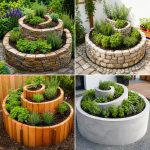
 25 Creative Garden Ideas With Spiral Herb Beds to Try Now